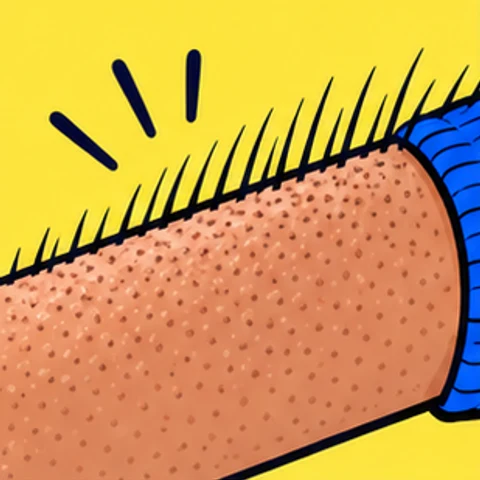
 Skin & Hair
Goosebumps
Raised hair follicles in response to cold or emotion.
Frequency: CommonSkin & HairRaised hair follicles in response to cold or emotion.
Frequency: Common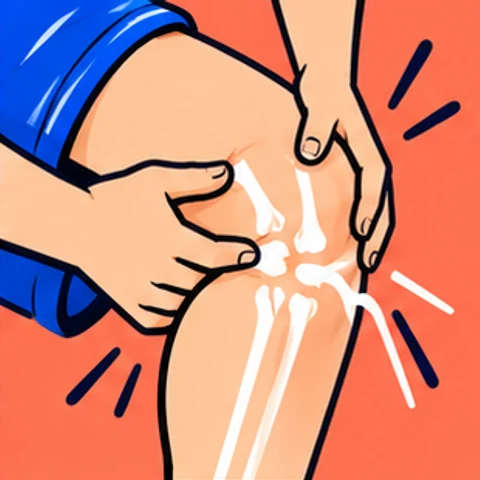 Bones & Joints
A single cracking sound during rapid joint movement.
Frequency: Common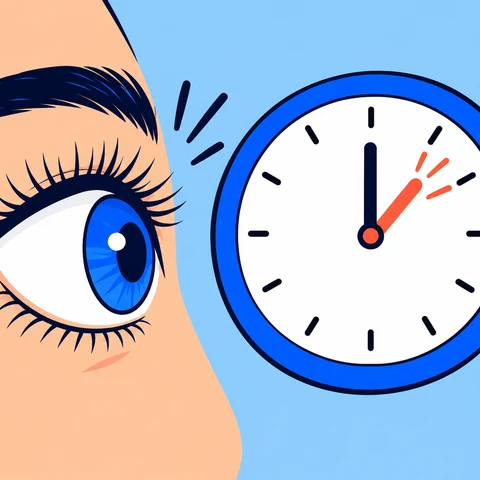 Eyes
EyesAfter a rapid eye movement, the first new image seems visible for slightly longer.
Frequency: Varies by individual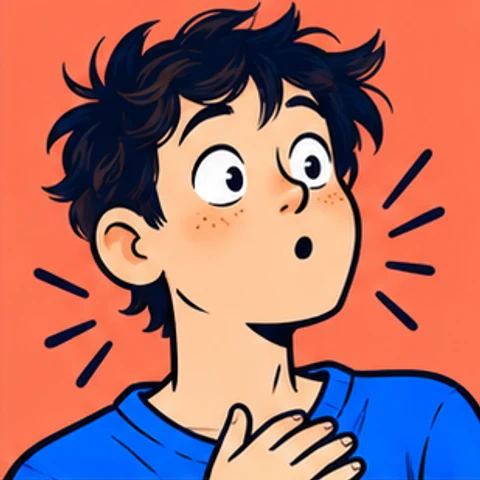 Nerves
An involuntary spasm of the breathing muscles followed by closure of the glottis produces the characteristic hic.
Frequency: Common Eyes
EyesThreads or dots seem to move through the visual field, especially against a bright background.
Frequency: Common Brain
BrainA short passage of melody continues internally without a conscious decision.
Frequency: Common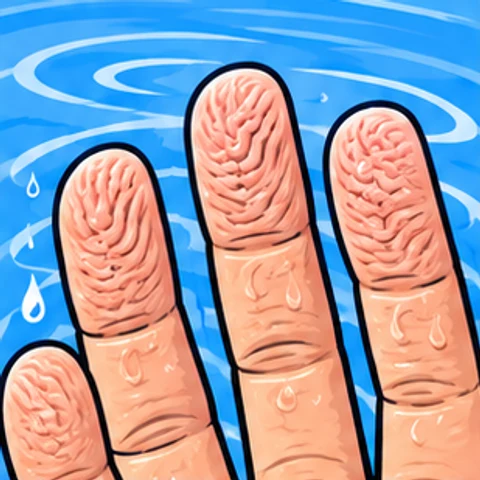 Skin & Hair
Finger skin wrinkles after prolonged contact with water.
Frequency: Common Nose
NoseBright light can trigger sneezing in some people.
Frequency: Varies by individual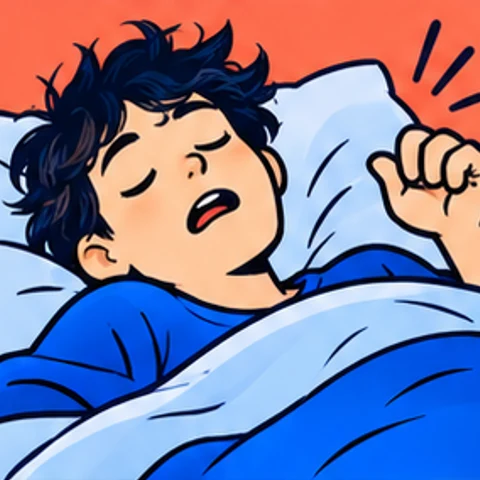 Nerves
A brief muscle jerk can occur while falling asleep, sometimes with a feeling of falling.
Frequency: Common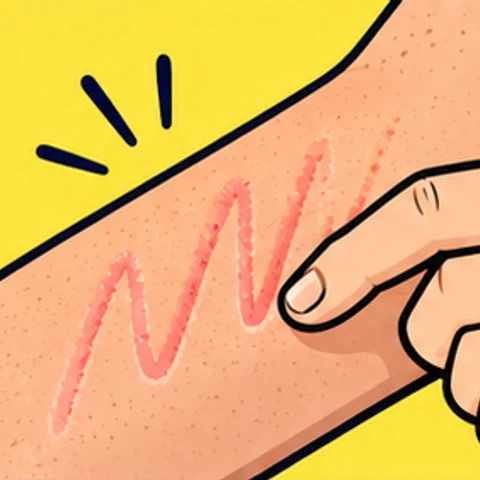 Skin & Hair
Light scratching pressure produces temporary raised lines.
Frequency: Varies by individual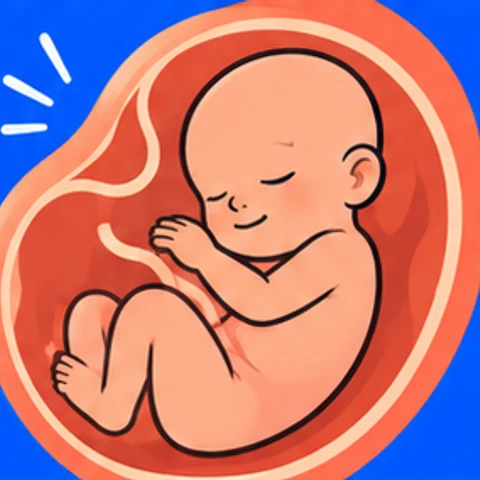 Skin & Hair
The major flexion creases of the hand form during development in the womb.
Frequency: Common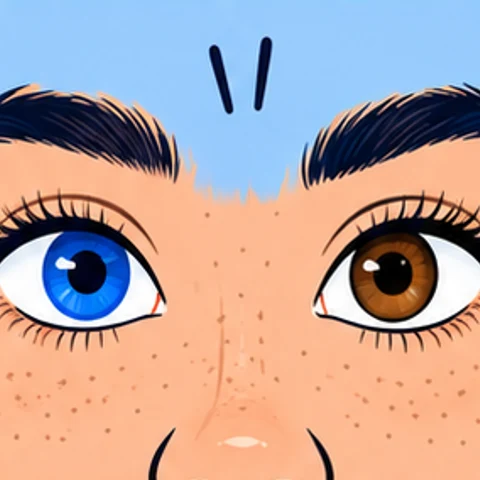 Eyes
EyesDifferent iris colors or rings of color in one person.
Frequency: Varies by individual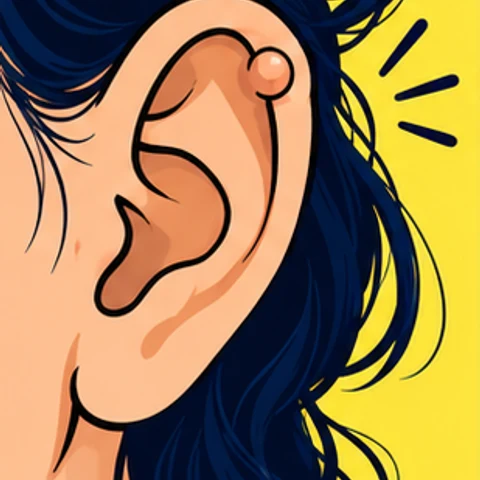 Ears
EarsA small thickening on the upper outer rim of the ear.
Frequency: Varies by individual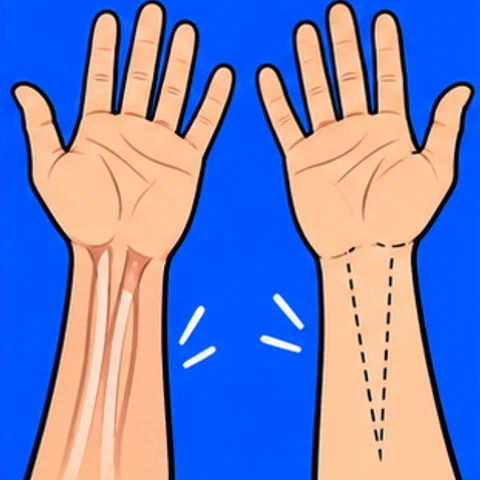 Muscles
A slender forearm muscle with a long tendon toward the palm is absent in some people without loss of function.
Frequency: Varies by individual Bones & Joints
Joints reach unusually large ranges of movement.
Frequency: Varies by individual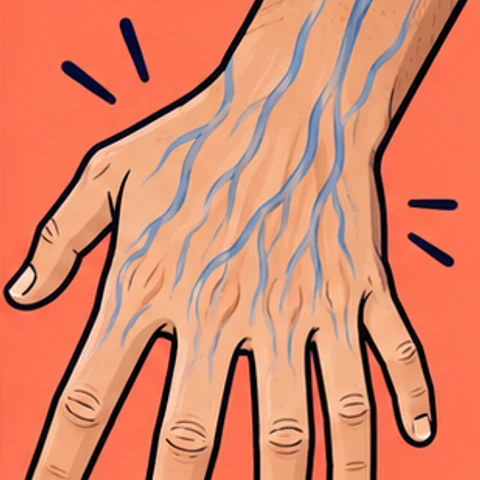 Whole Body
Superficial veins stand out clearly on the hands or forearms.
Frequency: Common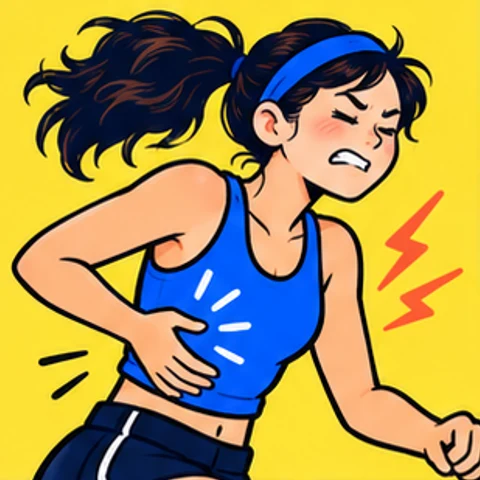 Whole Body
A stabbing pain under the ribs at the side during endurance exercise.
Frequency: Common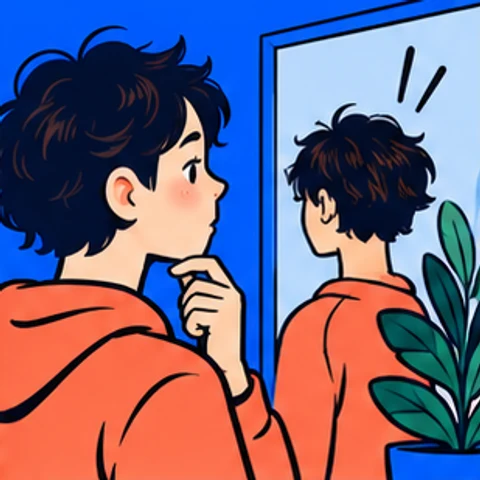 Brain
BrainEven conspicuous changes can go unnoticed, especially when an interruption masks their visual change signals.
Frequency: Varies by individual Nerves
Synchronous seeing and touch can make an artificial hand temporarily seem part of one’s own body.
Frequency: Varies by individual Nose
NoseHot or spicy foods can make the nose run.
Frequency: Varies by individual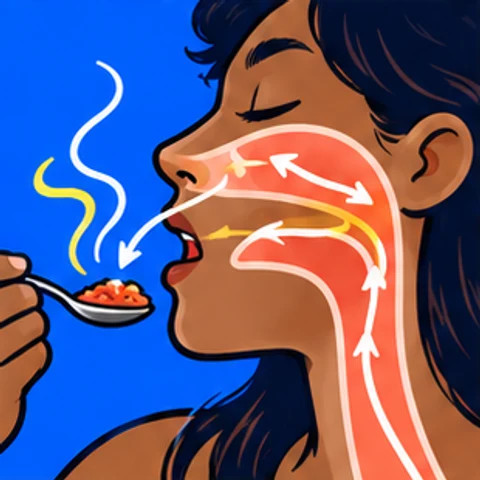 Mouth & Throat
During chewing, aromas travel from the mouth into the nasal cavity.
Frequency: Common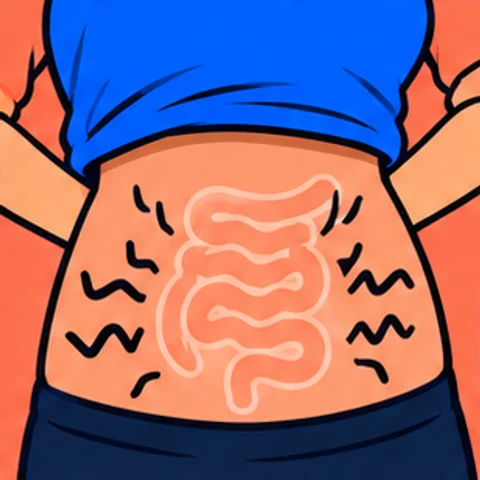 Internal Organs
Gurgling sounds are produced by moving intestinal contents and gas.
Frequency: Common Heart & Circulation
Brief spots of light or darkening of vision can occur when standing up quickly.
Frequency: Varies by individual Skin & Hair
Feeling observed or embarrassed can suddenly redden the face.
Frequency: Common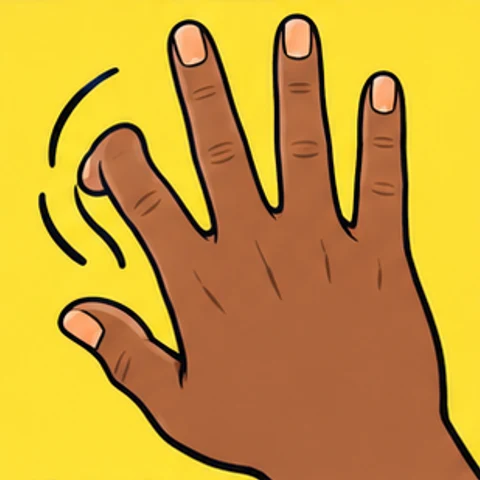 Bones & Joints
A congenital sideways curvature often affects the little finger.
Frequency: Varies by individual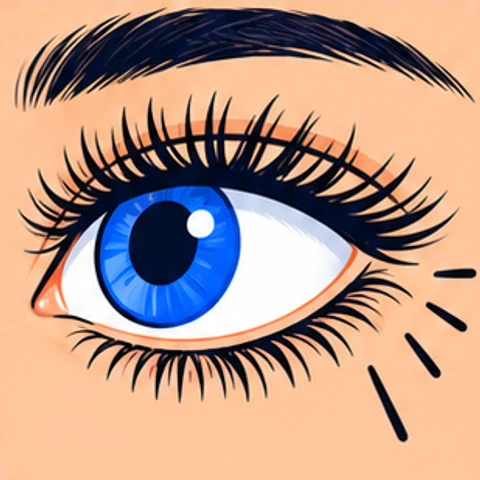 Eyes
EyesExtra eyelashes grow from the openings of the Meibomian glands.
Frequency: Rare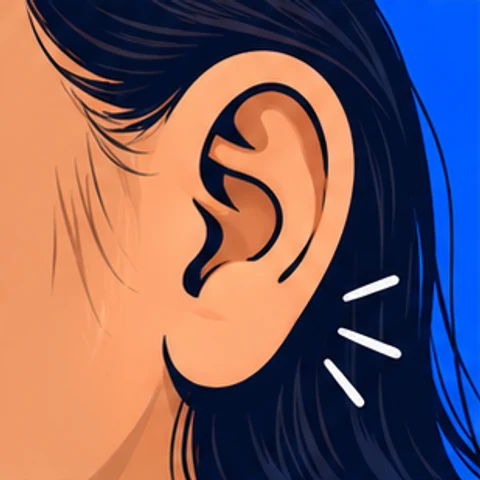 Ears
EarsEarlobes that meet the cheek without a distinct free lower edge.
Frequency: Varies by individual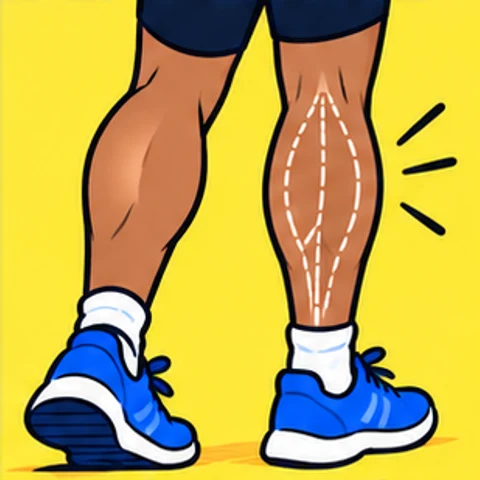 Muscles
A variable small calf muscle that is absent in some people.
Frequency: Varies by individual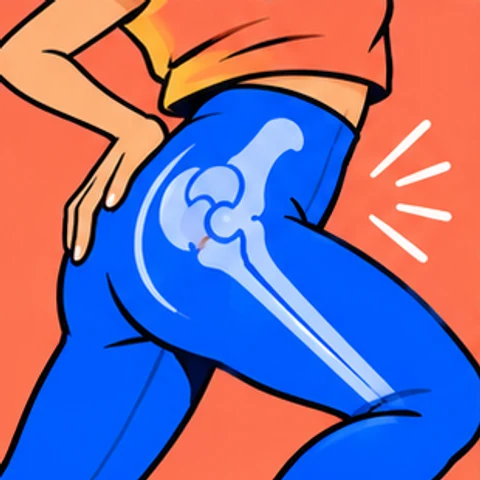 Bones & Joints
A snap can be felt or heard at the hip during certain movements.
Frequency: Frequency unclear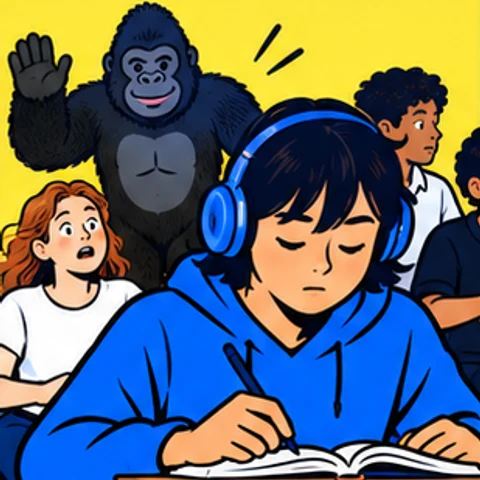 Brain
BrainPeople focused on a task sometimes do not consciously notice unexpected visible events.
Frequency: Varies by individual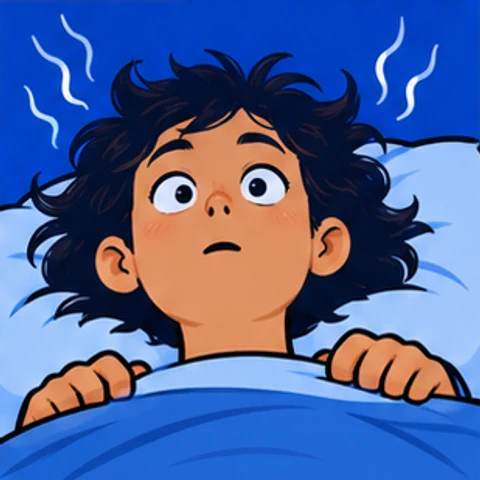 Nerves
When falling asleep or waking, REM-related muscle inhibition briefly persists despite awareness.
Frequency: Varies by individual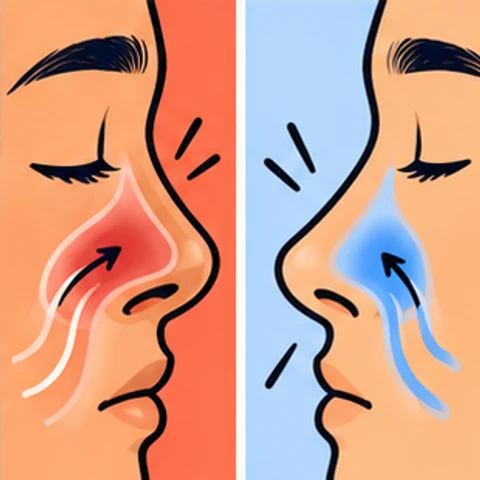 Nose
NoseThe nasal turbinates alternate rhythmically between greater and lesser blood flow.
Frequency: Common Mouth & Throat
The face or head sweats while eating.
Frequency: Varies by individual Internal Organs
Intestinal gas is released through the anus.
Frequency: Common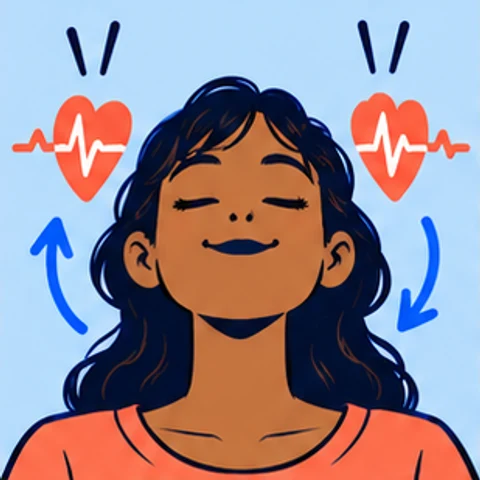 Heart & Circulation
The pulse becomes slightly faster when inhaling and slower when exhaling.
Frequency: Common Skin & Hair
Small genetically influenced pigment spots that darken in sunlight.
Frequency: Varies by individual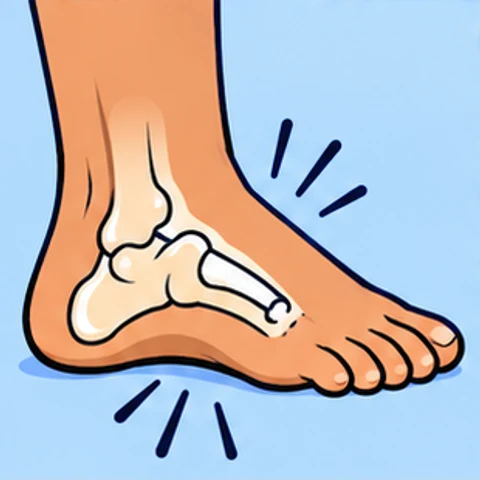 Bones & Joints
An additional bone fragment may lie at the inner arch of the foot.
Frequency: Varies by individual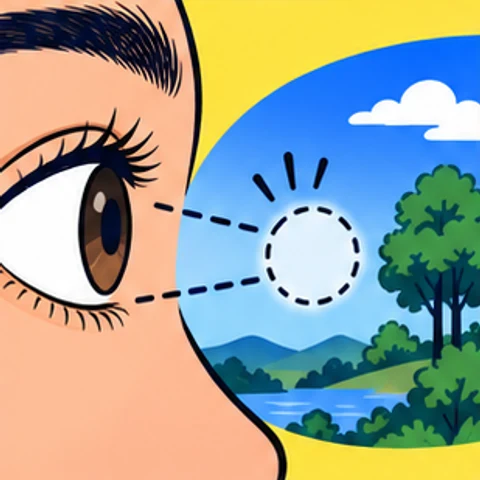 Eyes
EyesAt the point where the optic nerve exits, there are no photoreceptors; the brain fills in the gap.
Frequency: Common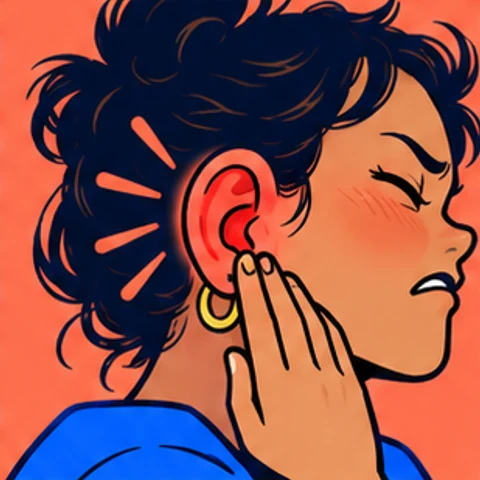 Ears
EarsRare attacks combine redness of the outer ear with burning pain.
Frequency: Rare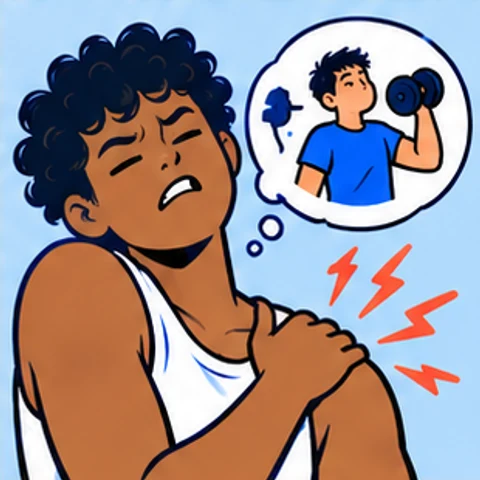 Muscles
Muscle pain and stiffness hours to days after unfamiliar exertion.
Frequency: Common Bones & Joints
A grating or rubbing sensation or sound during movement.
Frequency: Common Brain
BrainTwo objects of the same weight can feel different in weight when one is smaller.
Frequency: Varies by individual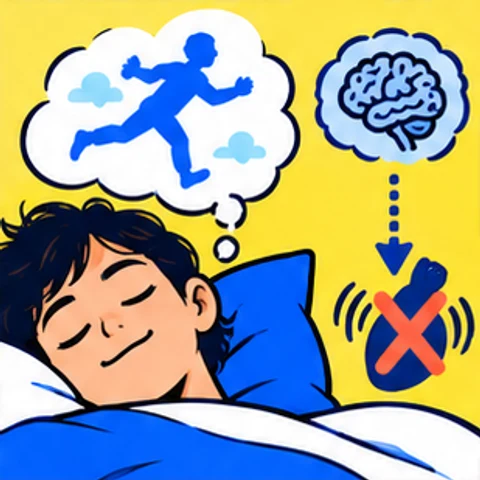 Nerves
During REM sleep, a brainstem network suppresses skeletal muscles and usually prevents acting out dreams.
Frequency: Common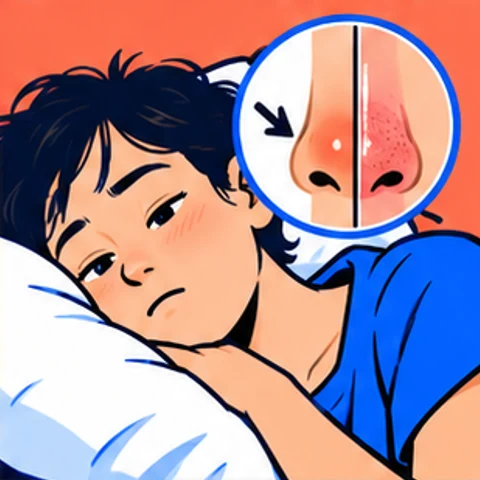 Nose
NoseWhen lying on one side, the lower nasal side often swells more.
Frequency: Common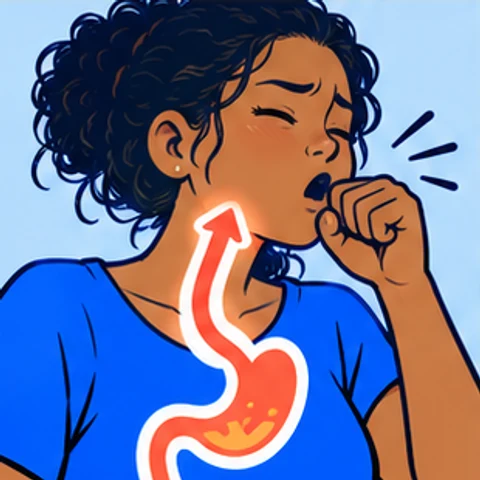 Mouth & Throat
Rising stomach acid can trigger a cough or throat-clearing urge in the larynx. Symptoms often occur without classic heartburn.
Frequency: Frequency unclear Internal Organs
A meal can trigger the urge to have a bowel movement shortly afterward.
Frequency: Common Heart & Circulation
The heartbeat may be perceived as pounding, fluttering, or skipped beats.
Frequency: Varies by individual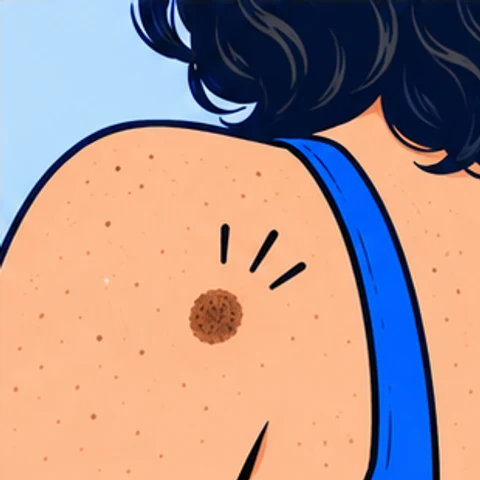 Skin & Hair
A circumscribed spot made of a cluster of pigment-producing cells.
Frequency: Common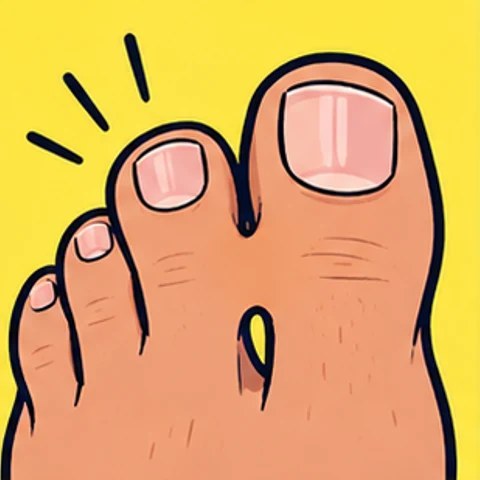 Bones & Joints
Adjacent fingers or toes can be partly joined from birth.
Frequency: Varies by individual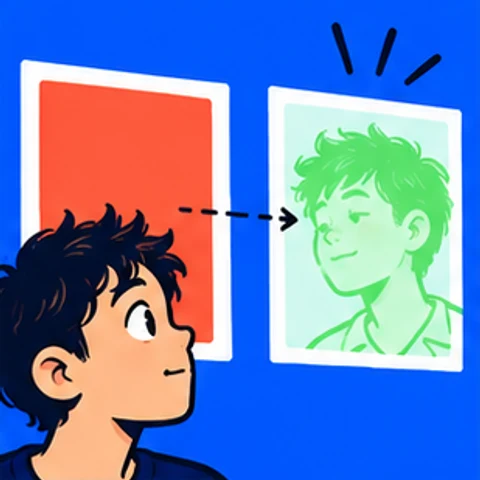 Eyes
EyesAfter looking at a vivid color field, a short-lived afterimage in another, roughly opposite color can appear.
Frequency: Common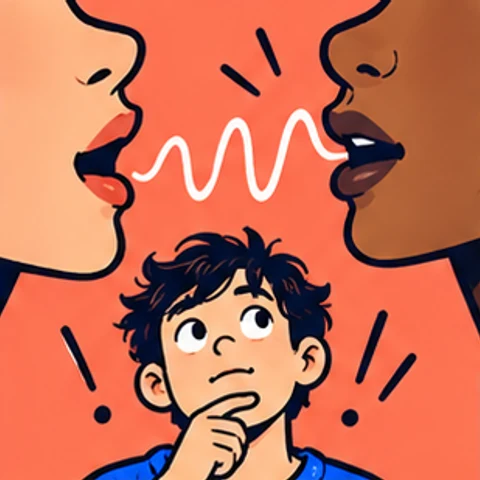 Ears
EarsConflicting mouth movements and speech sounds can produce a third perceived sound.
Frequency: Varies by individual Muscles
Fine involuntary oscillations during or after muscle exertion.
Frequency: Common Bones & Joints
The thumb can bend far backward at its end joint.
Frequency: Varies by individual Brain
BrainThe visual system recognizes familiar patterns in random forms.
Frequency: Common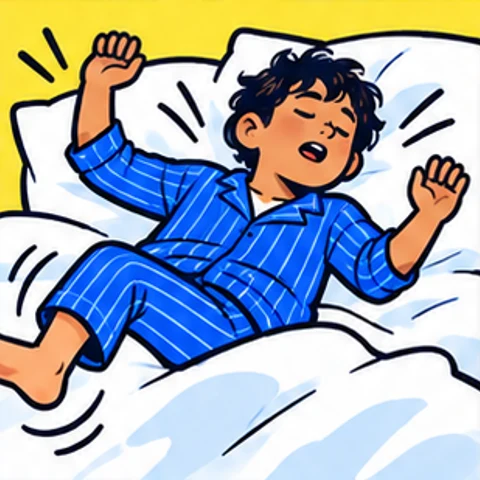 Nerves
In a rare disorder, normal REM atonia is partly absent, so dreams can be acted out with movement.
Frequency: Rare Nose
NoseA smell can seem weaker after a few minutes.
Frequency: Common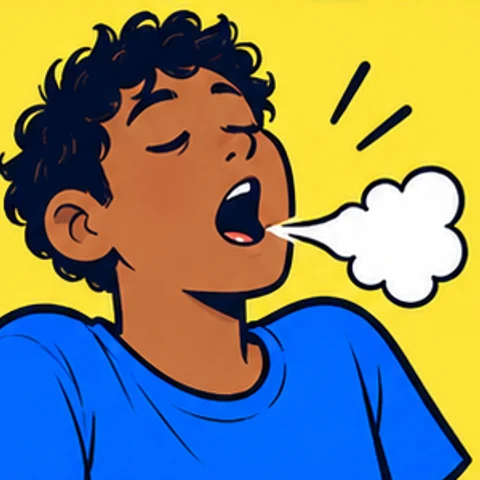 Mouth & Throat
Swallowed air escapes from the stomach.
Frequency: Common Internal Organs
After eating asparagus, urine can have a noticeable smell.
Frequency: Varies by individual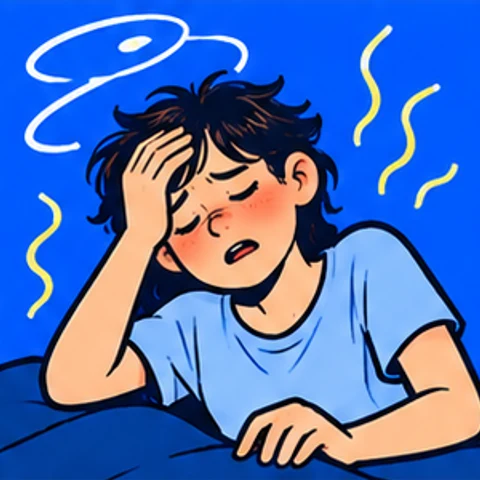 Heart & Circulation
Pain, seeing blood, or prolonged standing can trigger nausea, warmth, and near-fainting.
Frequency: Varies by individual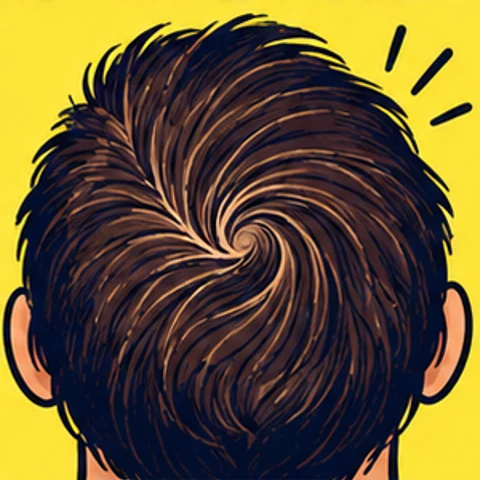 Skin & Hair
A spiral growth pattern of hair on the head or body.
Frequency: Common Eyes
EyesPhosphenes are sensations of light without a corresponding external light source; they can arise in different parts of the visual system.
Frequency: Varies by individual Ears
EarsThe brain often assigns a sound to the visible source that is moving.
Frequency: Varies by individual Muscles
Fine, involuntary twitching of an eyelid.
Frequency: Common Bones & Joints
Joints can feel stiff at first after resting.
Frequency: Varies by individual Brain
BrainA new situation can briefly feel familiar even when no real memory can be found.
Frequency: Common Nerves
Yawning is an involuntary sequence of inhalation, mouth opening, and stretching.
Frequency: Common Nose
NoseSome people sneeze after a large meal.
Frequency: Frequency unclear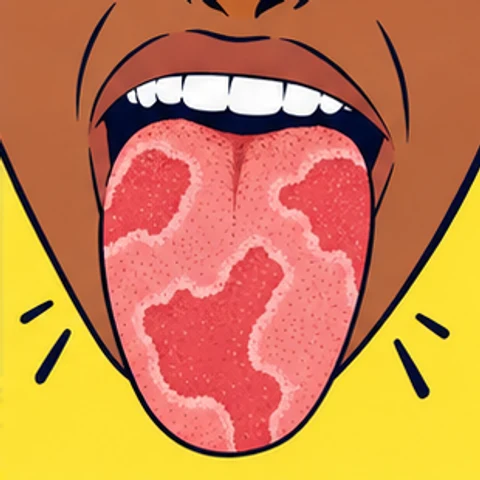 Mouth & Throat
Smooth red patches move across the tongue.
Frequency: Varies by individual Internal Organs
Beetroot can color urine pink to red.
Frequency: Varies by individual Skin & Hair
A V-shaped hairline in the center of the forehead.
Frequency: Frequency unclear Eyes
EyesAgainst a blue sky, tiny bright dots can move along winding paths.
Frequency: Varies by individual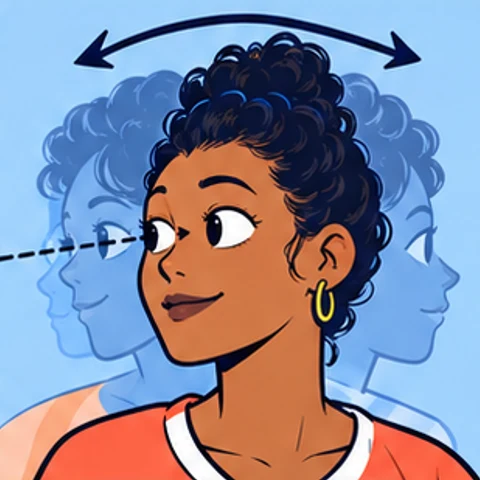 Ears
EarsWhen the head moves, the eyes move in the opposite direction so the image remains stable.
Frequency: Common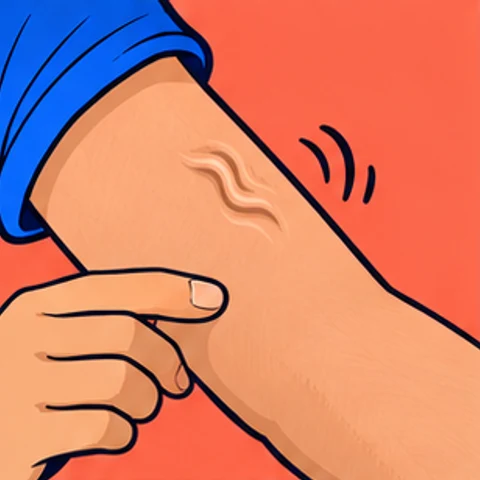 Muscles
Visible twitching of small muscle bundles beneath the skin.
Frequency: Common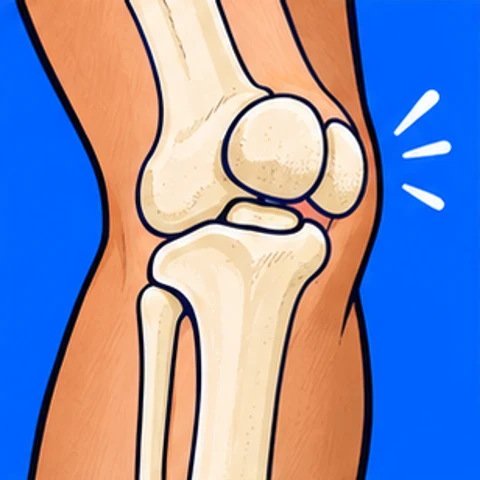 Bones & Joints
An additional bone part can remain permanently connected to the kneecap.
Frequency: Varies by individual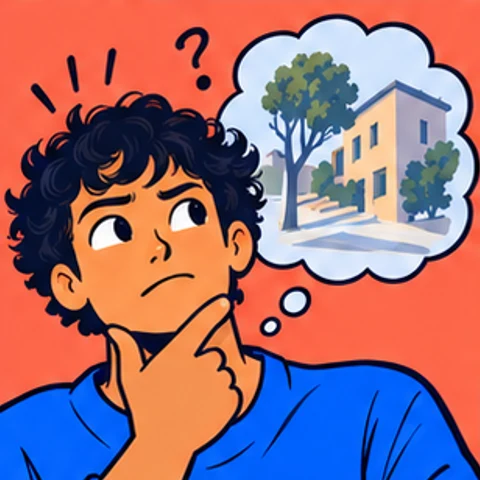 Brain
BrainA familiar word or situation can briefly seem strange; repeating a word can induce this in an experiment.
Frequency: Frequency unclear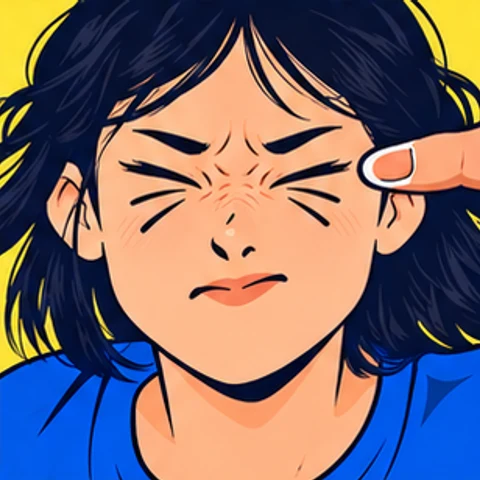 Nerves
A stimulus on the cornea can trigger rapid closure of both eyelids.
Frequency: Common Nose
NoseDry mucosa can make small vessels more likely to rupture.
Frequency: Varies by individual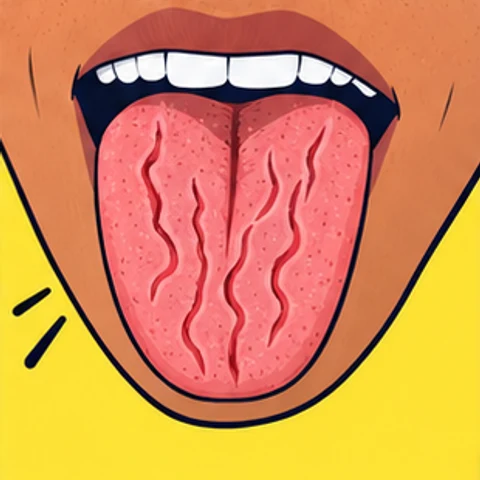 Mouth & Throat
Deep grooves divide the surface of the tongue.
Frequency: Varies by individual Internal Organs
In some adults, the enzyme that breaks down milk sugar remains active.
Frequency: Varies by individual Skin & Hair
A localized white section of hair caused by absent pigment.
Frequency: Frequency unclear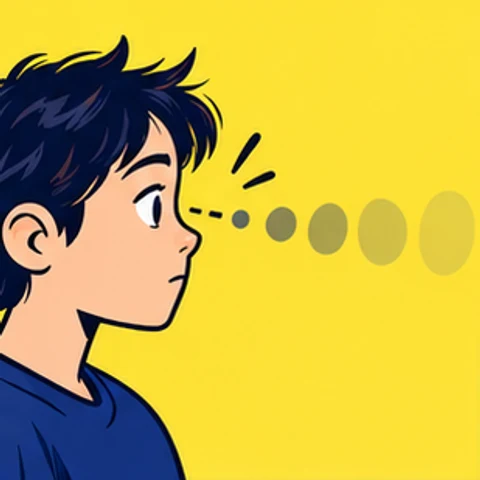 Eyes
EyesWith steady fixation, low-contrast stationary stimuli can gradually fade from perception.
Frequency: Varies by individual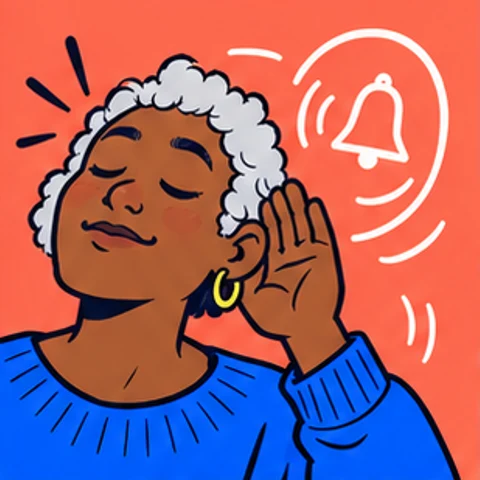 Ears
EarsTinnitus is the perception of a sound or noise without a corresponding external source.
Frequency: Common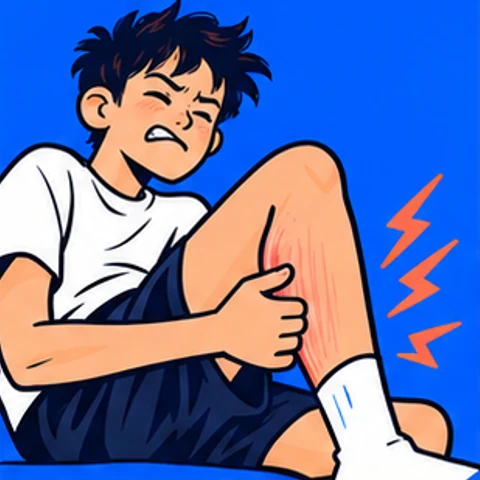 Muscles
Sudden painful involuntary muscle contraction.
Frequency: Common Brain
BrainYou know that you know a word but temporarily cannot retrieve it.
Frequency: Common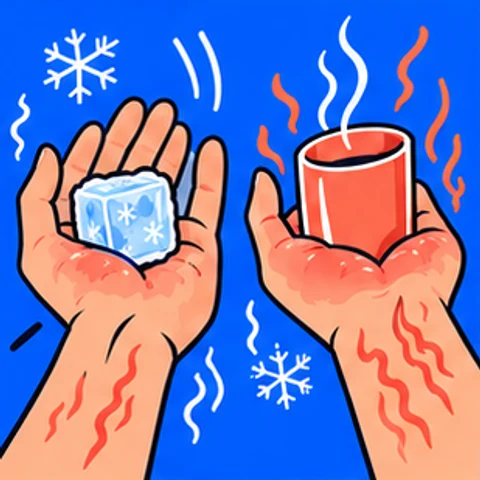 Nerves
Simultaneous warm and cold stimuli can paradoxically feel like burning heat.
Frequency: Varies by individual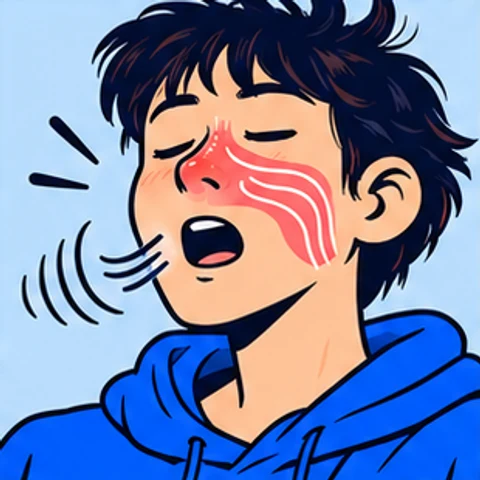 Nose
NoseBlocked nasal passages change the sound of the voice.
Frequency: Common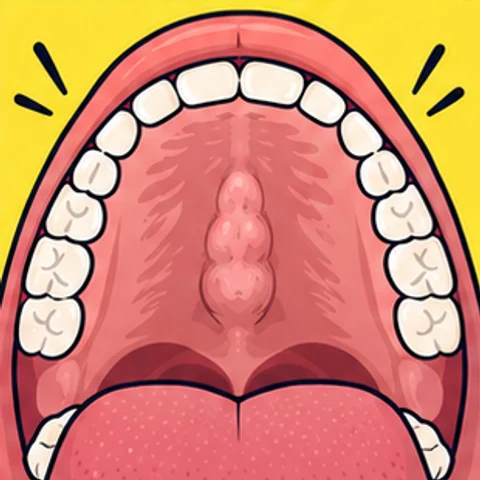 Mouth & Throat
A hard bony protrusion sits in the middle of the hard palate.
Frequency: Varies by individual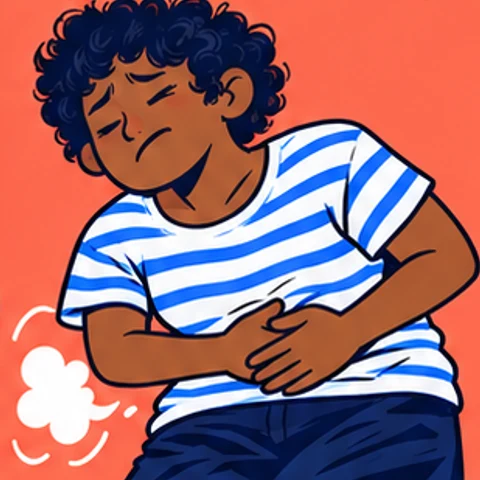 Internal Organs
Undigested lactose can cause gas and diarrhea.
Frequency: Varies by individual Skin & Hair
Small indentations in the cheeks, especially when smiling.
Frequency: Varies by individual Eyes
EyesAfter looking at movement for a while, a stationary pattern seems to flow in the opposite direction.
Frequency: Varies by individual Ears
EarsMusic without an external source can be experienced as an actual sound, including in people with hearing loss.
Frequency: Rare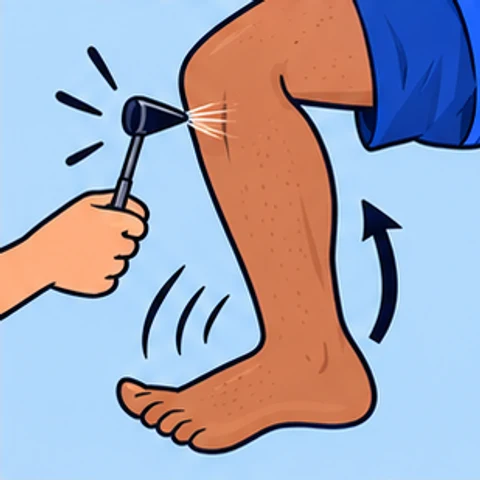 Muscles
A muscle contracts automatically after a rapid stretch.
Frequency: Common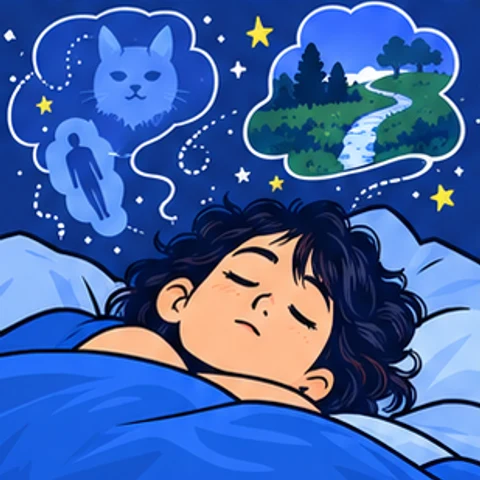 Brain
BrainBrief images, voices, or bodily sensations can arise while falling asleep.
Frequency: Varies by individual Nerves
Irritation of the nasal mucosa triggers a coordinated exhalation to remove particles.
Frequency: Common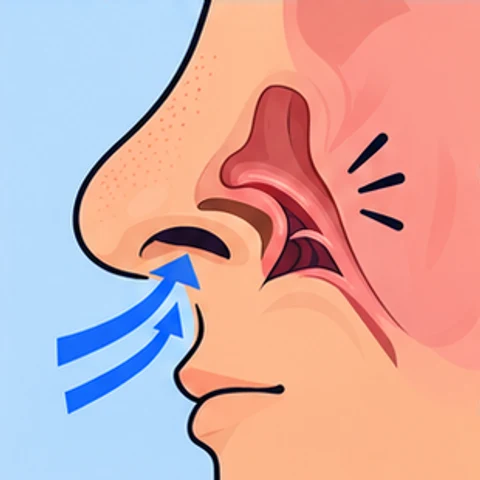 Nose
NoseIn some people, the soft nasal wall pulls inward during inhalation. This can restrict airflow on one side.
Frequency: Frequency unclear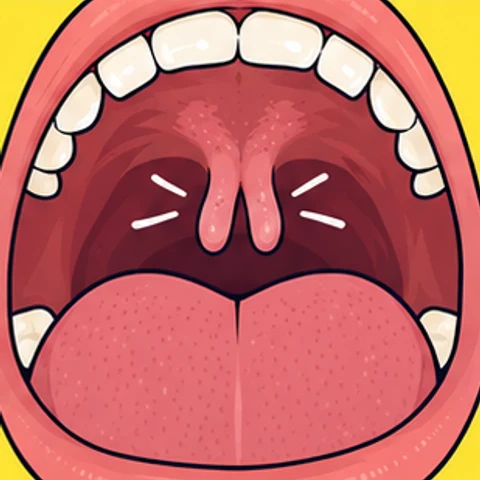 Mouth & Throat
The uvula is split at its tip.
Frequency: Varies by individual Internal Organs
The upper stomach relaxes during a meal and receives food.
Frequency: Common Skin & Hair
A midline notch or indentation on the chin.
Frequency: Frequency unclear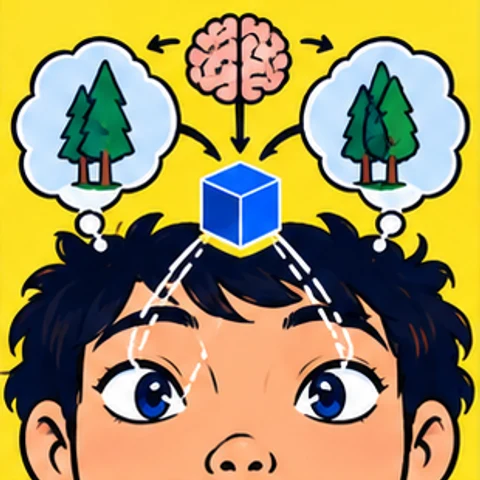 Eyes
EyesThe brain combines the slightly different images from both eyes into depth perception.
Frequency: Common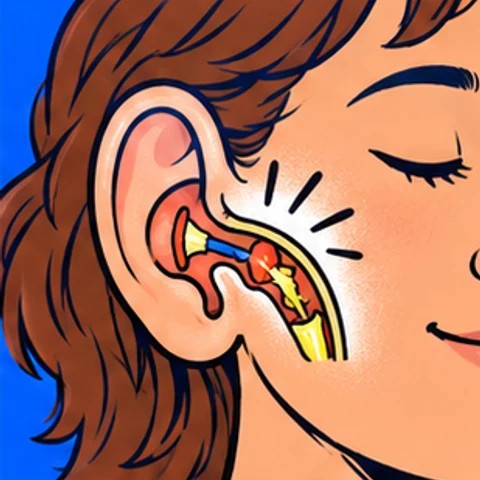 Ears
EarsJerky contractions of small middle-ear muscles can be heard as clicking or fluttering.
Frequency: Rare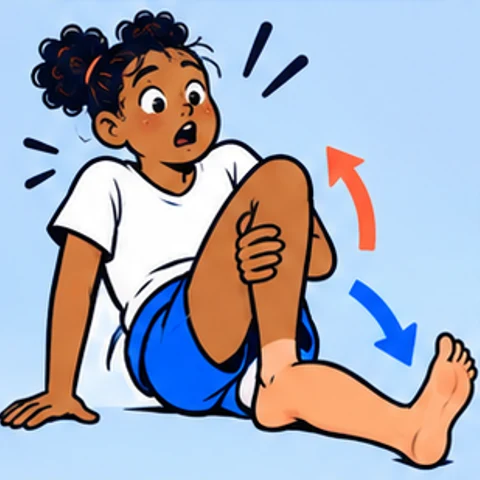 Muscles
A painful stimulus bends one side and extends the other.
Frequency: Common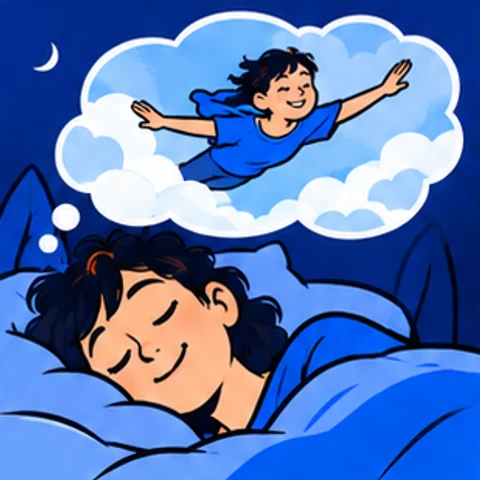 Brain
BrainDuring a dream, a person may realize that they are dreaming; some then report limited control.
Frequency: Varies by individual Nerves
Irritation in the airways activates a protective reflex with a forceful burst of air.
Frequency: Common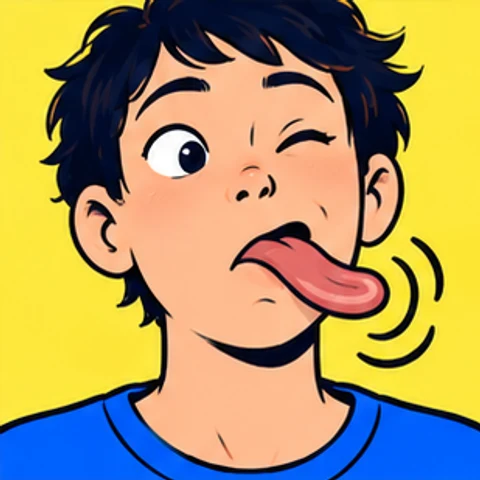 Mouth & Throat
Rare involuntary tongue movements can interfere with speech and swallowing. Causes range from medications to movement disorders.
Frequency: Rare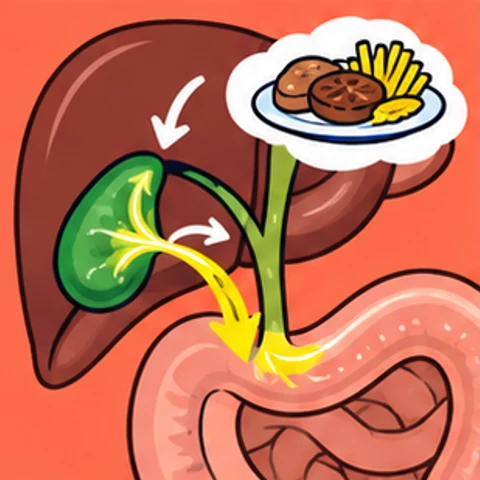 Internal Organs
Fatty food triggers emptying of the gallbladder. This usually goes unnoticed.
Frequency: Common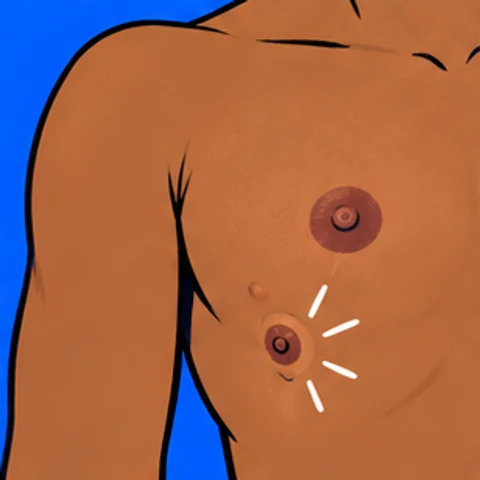 Skin & Hair
An additional small nipple along the embryonic milk line.
Frequency: Varies by individual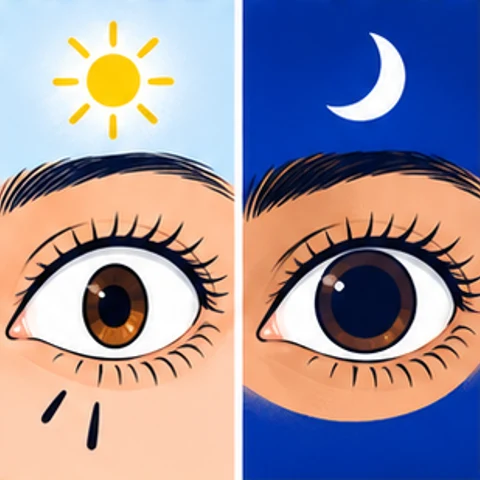 Eyes
EyesBright light automatically constricts the pupil; darkness makes it enlarge again.
Frequency: Common Ears
EarsAn interrupted tone or speech sound can seem to continue when a suitable noise masks the gap.
Frequency: Varies by individual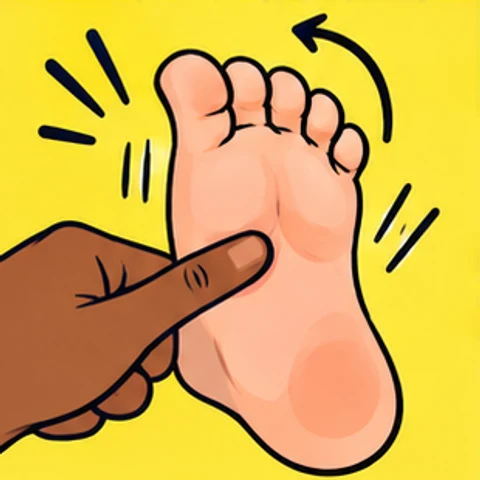 Muscles
Movement of the toes after stimulation of the sole of the foot.
Frequency: Common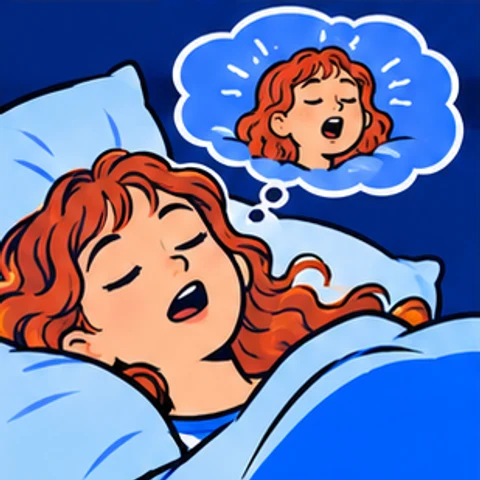 Brain
BrainSounds or intelligible words can occur during different stages of sleep.
Frequency: Varies by individual Nerves
A sudden stimulus can trigger a whole-body response within milliseconds.
Frequency: Common Mouth & Throat
The sight, smell, or taste of food increases saliva production.
Frequency: Common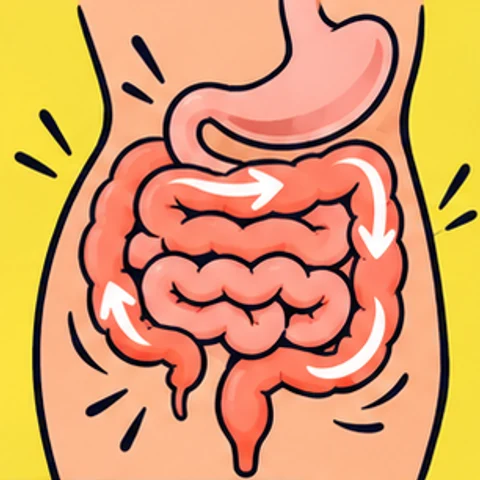 Internal Organs
Between meals, the stomach and small intestine pass through recurring phases of movement.
Frequency: Common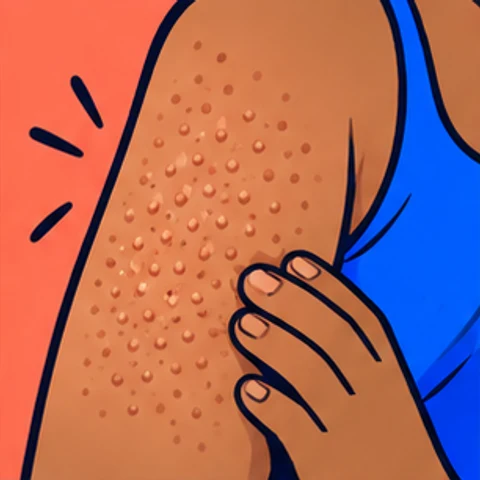 Skin & Hair
Small rough bumps form when plugs of keratin collect in hair follicles.
Frequency: Common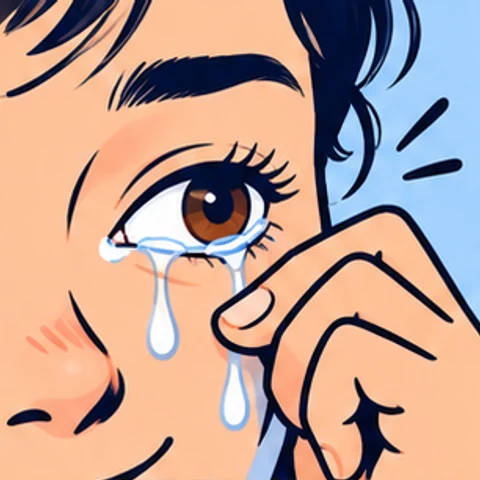 Eyes
EyesSmoke, onions, or dry air irritate the eye surface and trigger tears. This reflex protects and rinses the cornea.
Frequency: Common Ears
EarsSome blind people use self-generated clicks and their echoes for orientation.
Frequency: Frequency unclear Muscles
Voluntary movement of the outer ear in a minority of people.
Frequency: Frequency unclear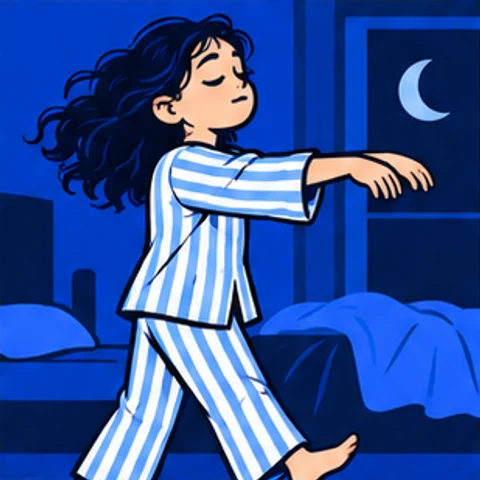 Brain
BrainDuring sleepwalking, a person performs complex movements while only partly awake.
Frequency: Varies by individual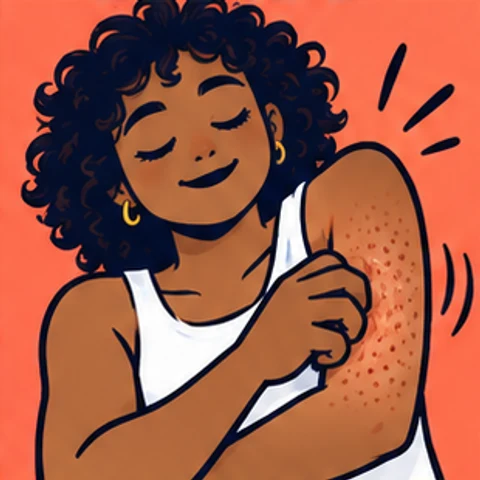 Nerves
Scratching can briefly suppress an itch, but excessive scratching increases skin irritation.
Frequency: Common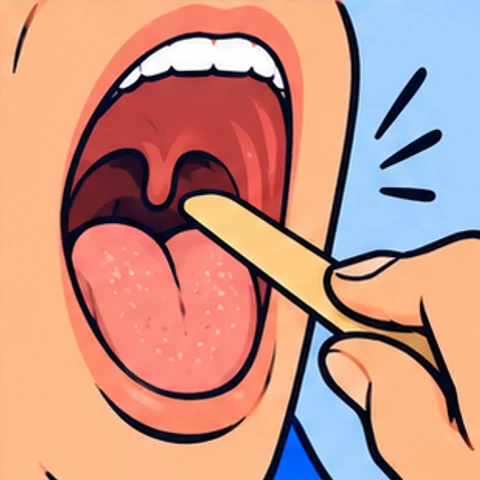 Mouth & Throat
Touching the back of the throat can trigger gagging.
Frequency: Varies by individual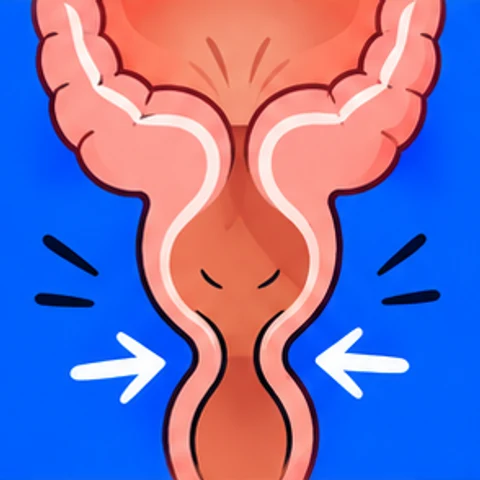 Internal Organs
When the rectum fills, the internal sphincter briefly relaxes as a reflex.
Frequency: Common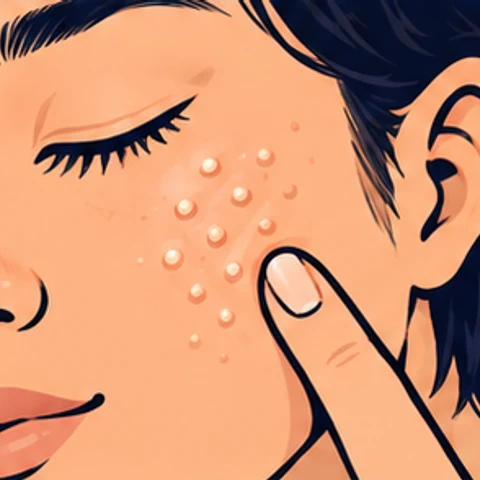 Skin & Hair
Small keratin-filled cysts lie just beneath the skin surface.
Frequency: Common Eyes
EyesRarely, the eyes water during chewing or eating.
Frequency: Rare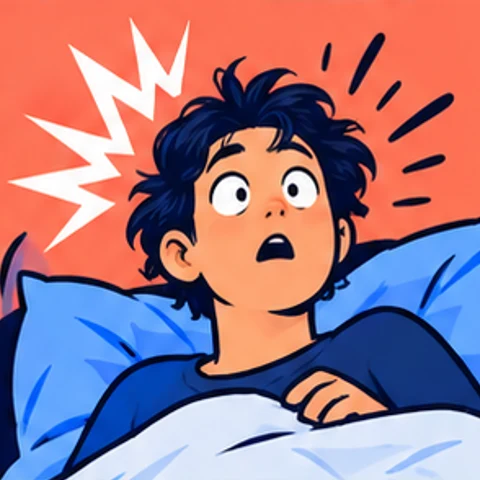 Ears
EarsWhile falling asleep or waking, a person may experience a sudden loud noise with no external source.
Frequency: Frequency unclear Muscles
Muscle coordination shapes the tongue into a tube or fold.
Frequency: Varies by individual Brain
BrainSeeing or hearing a yawn can cause some people to yawn themselves.
Frequency: Varies by individual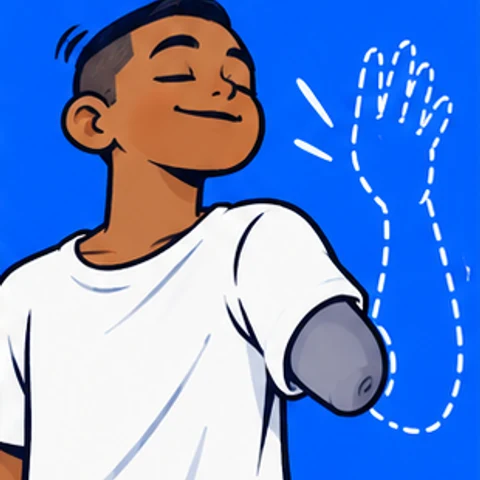 Nerves
After an amputation, sensations can seem to come from the missing body part.
Frequency: Varies by individual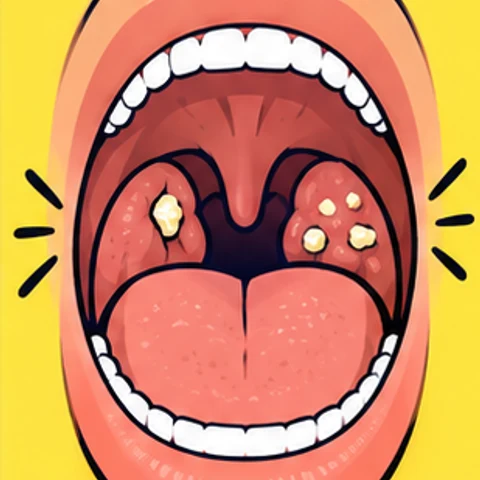 Mouth & Throat
Small, firm plugs can form in the crypts of the palatine tonsils.
Frequency: Frequency unclear Internal Organs
Coffee can increase the urge to have a bowel movement in some people.
Frequency: Varies by individual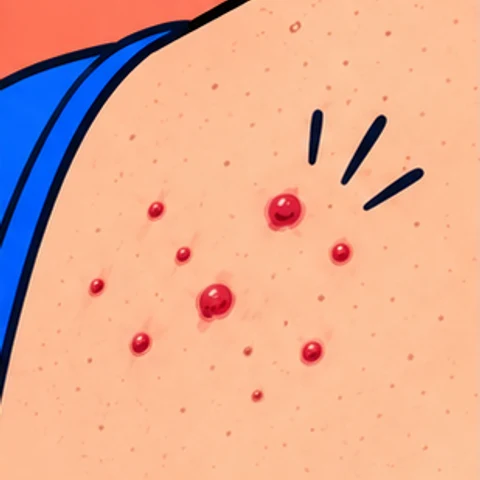 Skin & Hair
Benign vascular bumps appear as red to purple spots.
Frequency: Common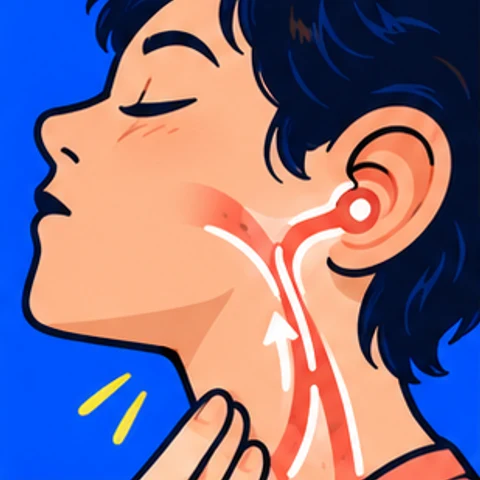 Ears
EarsSwallowing can briefly open the Eustachian tube.
Frequency: Common Brain
BrainIn synesthesia, one stimulus reliably triggers an additional, unusual perception, such as seeing color with letters.
Frequency: Varies by individual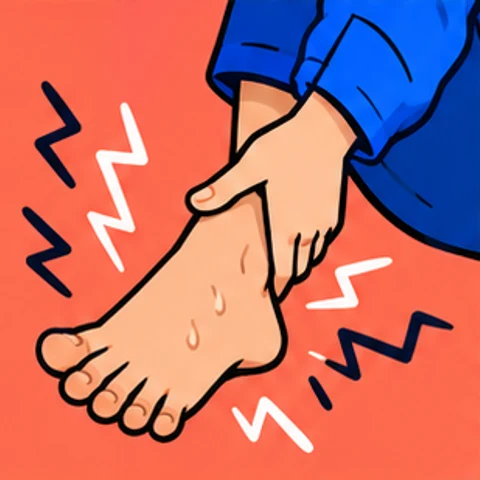 Nerves
After sitting awkwardly, a foot may become numb and then tingle when pressure is released because its nerves were temporarily impaired.
Frequency: Common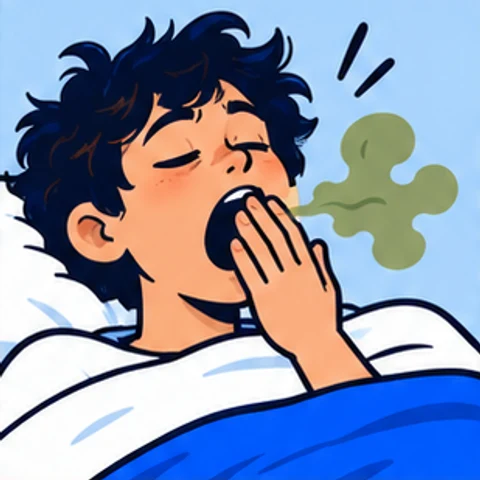 Mouth & Throat
Breath often smells stronger after sleep.
Frequency: Common Internal Organs
A few drops may emerge from the urethra after using the toilet.
Frequency: Varies by individual Skin & Hair
Hands can feel especially cold in low temperatures or during stress.
Frequency: Common Brain
BrainAfter certain injuries to the visual cortex, people may respond to stimuli without consciously seeing them.
Frequency: Rare Mouth & Throat
Elongated tongue papillae can form a dark, hair-like coating.
Frequency: Frequency unclear Skin & Hair
Nail beds may temporarily look bluish in the cold.
Frequency: Frequency unclear Brain
BrainIn prosopagnosia, recognizing familiar faces is severely impaired even though visual acuity may be normal.
Frequency: Varies by individual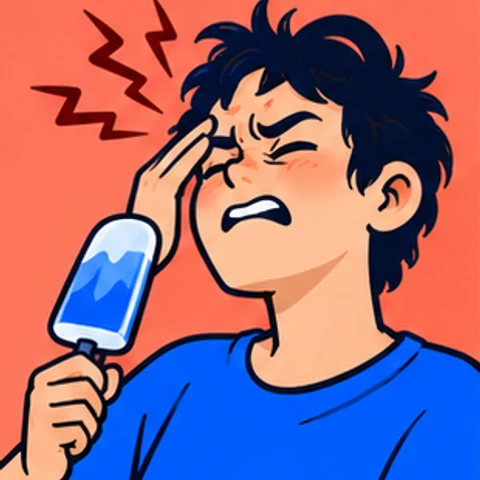 Mouth & Throat
Cold against the palate can trigger a brief, stabbing pain in the forehead.
Frequency: Varies by individual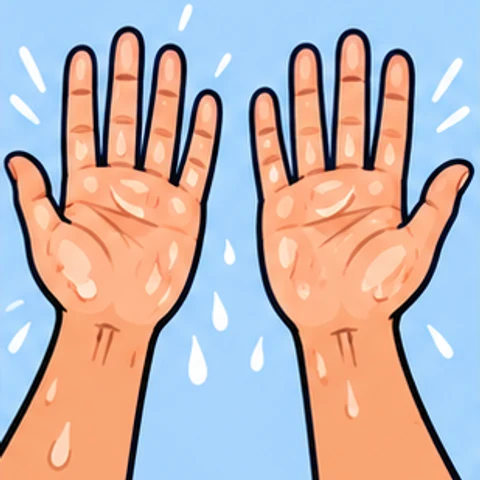 Skin & Hair
Excessive sweating of the palms, often during stress or heat.
Frequency: Varies by individual Brain
BrainIn aphantasia, conscious voluntary visual imagery is absent; knowledge and thinking remain possible.
Frequency: Varies by individual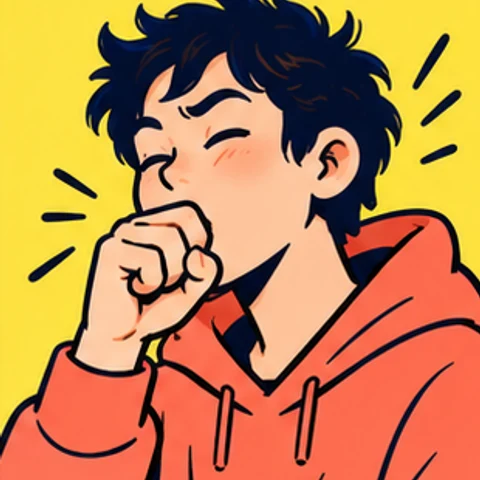 Mouth & Throat
A short cough-like burst clears a sensation of mucus from the larynx.
Frequency: Common Skin & Hair
A keloid is excessive scar tissue that grows beyond the original injury.
Frequency: Varies by individual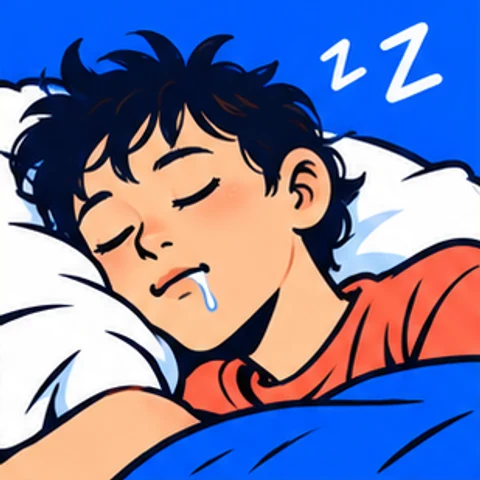 Mouth & Throat
Saliva and secretions are swallowed even during sleep.
Frequency: Common Skin & Hair
White spots or lines in the nail plate.
Frequency: Common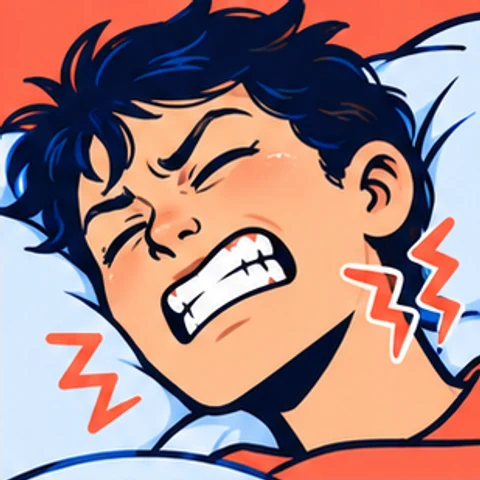 Mouth & Throat
Jaw muscles clench or grind the teeth, often at night.
Frequency: Varies by individual Mouth & Throat
Garlic odor can remain on the breath for hours.
Frequency: Common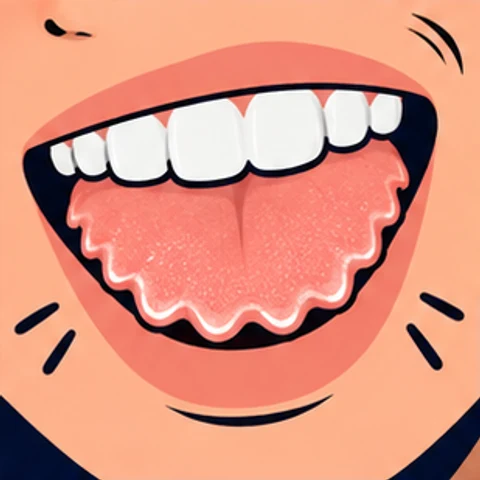 Mouth & Throat
The sides of the tongue can rest against the teeth in a wavy outline.
Frequency: Frequency unclear Mouth & Throat
The mouth can suddenly become watery before vomiting.
Frequency: Varies by individualTry another term or fewer filters.