In a nutshell
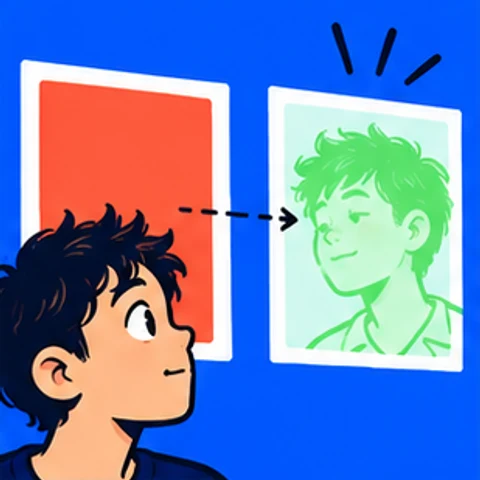
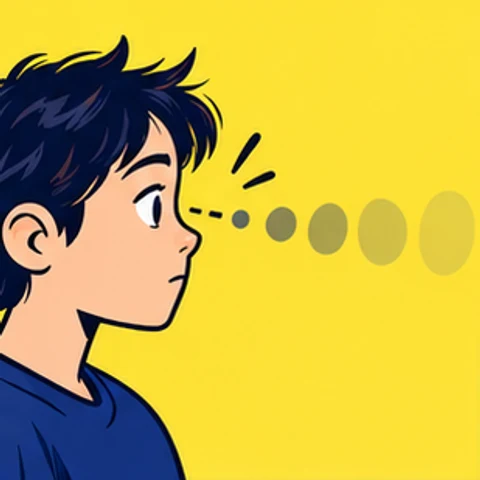
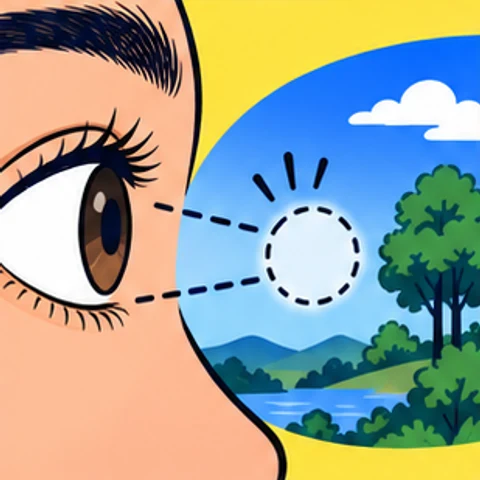
After viewing uniform motion for some time, a subsequently stationary surface can seem to move in the opposite direction. This is familiar from looking at a waterfall and then at nearby rocks.
Why does it happen?
Visual neurons respond with different strengths to different directions of motion. Sustained movement temporarily changes the balance of these responses. In the following stationary image, this can create an impression of motion in the opposite direction; depending on the stimulus, several stages of the visual pathway contribute.
Frequency
The motion aftereffect is widespread under suitable viewing conditions. Its strength depends substantially on the duration and nature of the preceding motion.
Frequency is a qualitative description, not your individual probability.
Is it normal?
A short-lived aftereffect of motion vision.
Does this happen to you?
Your answer is first saved only on this device.
How others answer
Loading results …
No shared answers yet.
Voluntary responses, not representative. One answer per saved browser key and article is counted. Multiple submissions are possible; people are not verified.
Sources (1)
- The motion after-effect reloaded (opens a new tab)
Motion aftereffects are based on adaptation processes at several levels of visual motion processing.
Editorial update: . AI-assisted research and editing; not individually reviewed by a physician. How we research