In a nutshell
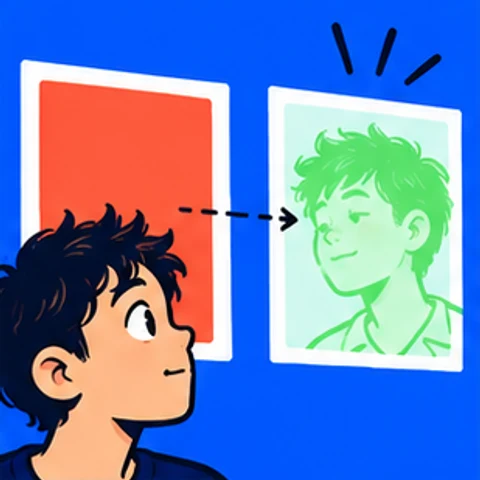
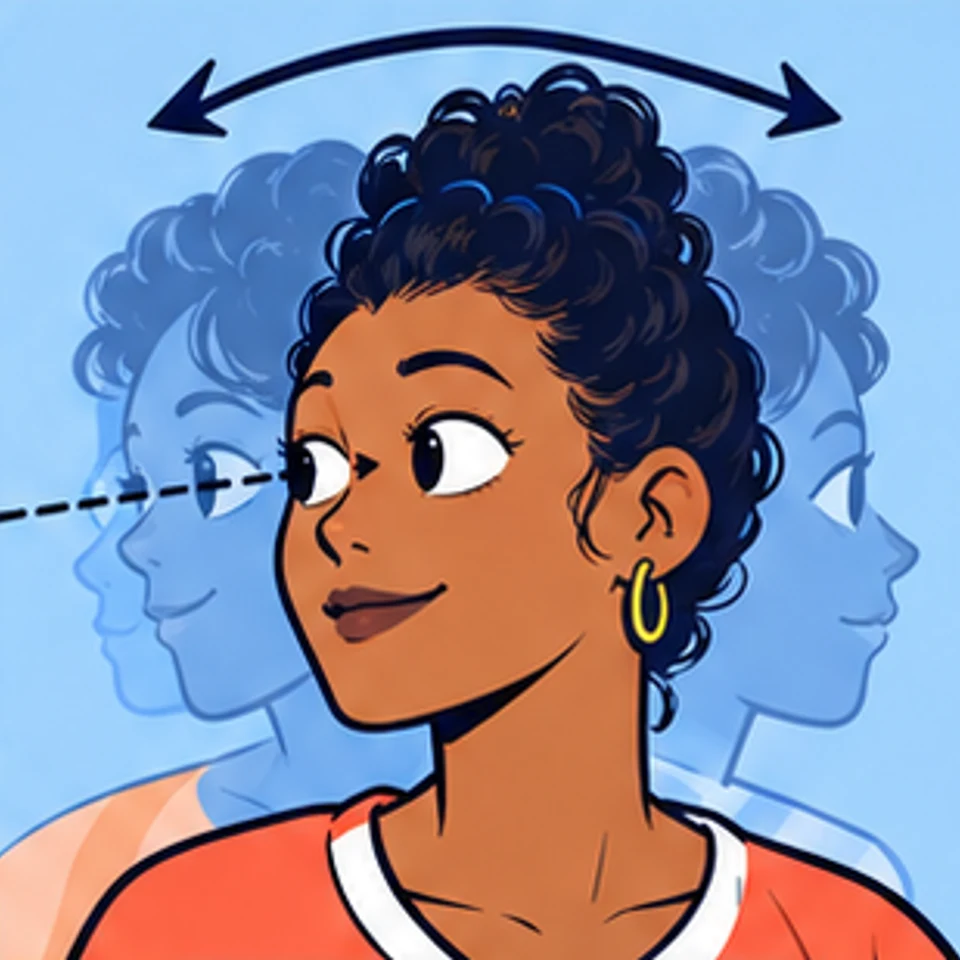
During normal walking and small head movements, a fixated object remains remarkably steady in view. The eyes automatically compensate for much of the head movement.
Why does it happen?
The semicircular canals of the inner ear register rotational movements, while the otolith organs contribute information about linear movement and gravity. Vestibular brainstem networks use this to generate rapid counter-movements of the eyes. The cerebellum helps adjust the response so the viewed image stays as stable as possible on the retina.
Frequency
The vestibulo-ocular reflex normally operates continuously during head movements. It is a fundamental function for stabilizing gaze.
Frequency is a qualitative description, not your individual probability.
Observe it yourself
- While seated, fix your gaze on a letter on the wall.
- Move your head slowly a few degrees left and right while continuing to look at the letter. Stop immediately if you feel dizzy or have neck discomfort.
Stop if uncomfortable. This is not a diagnostic test.
Is it normal?
An important reflex for stabilizing gaze.
When to seek advice
New, persistent dizziness with double vision, unsteady gait, or other neurological deficits requires immediate assessment.
Does this happen to you?
Your answer is first saved only on this device.
How others answer
Loading results …
No shared answers yet.
Voluntary responses, not representative. One answer per saved browser key and article is counted. Multiple submissions are possible; people are not verified.
Sources (1)
- Neuroanatomy, Vestibulo-ocular Reflex — StatPearls (opens a new tab)
Vestibular signals generate compensatory eye movements to stabilize gaze.
Editorial update: . AI-assisted research and editing; not individually reviewed by a physician. How we research