In a nutshell
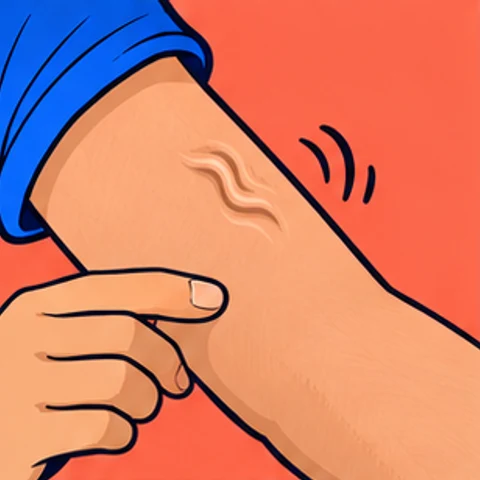
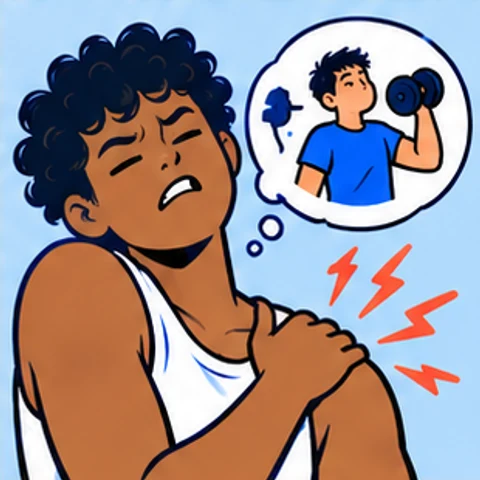
A very fine tremor is part of normal motor control and usually goes unnoticed. It can become more visible after exertion, during stress, or after a lot of caffeine. This differs from isolated brief muscle twitches.
Why does it happen?
Mechanical properties of the limbs, reflex loops, and rhythmic neural activity all contribute to physiological tremor. Fatigue or increased arousal can amplify these small oscillations; visible tremor does not prove mineral deficiency.
Frequency
A fine physiological tremor is normal. Whether it becomes visible after exertion depends, among other things, on fatigue, stress, and stimulants.
Frequency is a qualitative description, not your individual probability.
Is it normal?
Brief tremor after exertion without other symptoms is usually normal.
When to seek advice
Have resting tremor, increasing weakness, stiffness, or loss of coordination medically assessed.
Does this happen to you?
Your answer is first saved only on this device.
How others answer
Loading results …
No shared answers yet.
Voluntary responses, not representative. One answer per saved browser key and article is counted. Multiple submissions are possible; people are not verified.
Sources (1)
- NINDS: Tremor (opens a new tab)
Distinguishes physiological tremor, amplifying factors, and disease-related forms.
Editorial update: . AI-assisted research and editing; not individually reviewed by a physician. How we research