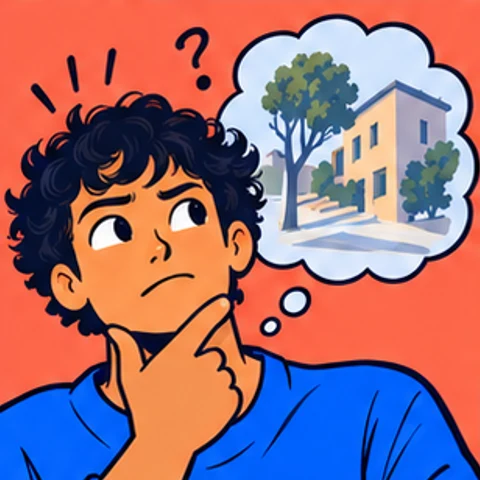
In a nutshell
A new situation feels strangely familiar for a moment, even though you know you have not experienced it in this way before. This conflict between feeling and knowledge characterizes déjà vu.
Why does it happen?
Familiarity and recall of specific memory details are distinguishable memory processes. A misplaced familiarity signal while novelty is still recognized is an important explanation for the experience. However, no single neural sequence has been conclusively established for everyday déjà vu.
Frequency
Many people experience occasional déjà vu. How often it occurs varies; frequently recurring, stereotyped episodes should be assessed separately.
Frequency is a qualitative description, not your individual probability.
Is it normal?
A rare, brief déjà vu is usually harmless.
When to seek advice
Frequent new, highly similar episodes with lapses of awareness or unusual accompanying sensations should be medically assessed.
Does this happen to you?
Your answer is first saved only on this device.
How others answer
Loading results …
No shared answers yet.
Voluntary responses, not representative. One answer per saved browser key and article is counted. Multiple submissions are possible; people are not verified.
Sources (1)
- Déjà vu experiences in healthy subjects are unrelated to laboratory tests of recollection and familiarity for word stimuli (opens a new tab)
The study discusses a discrepancy between erroneous memory signals and memory monitoring; it does not establish a single conclusive mechanism.
Editorial update: . AI-assisted research and editing; not individually reviewed by a physician. How we research