In a nutshell
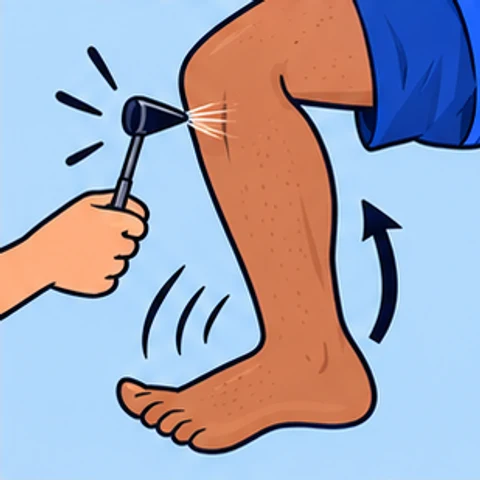
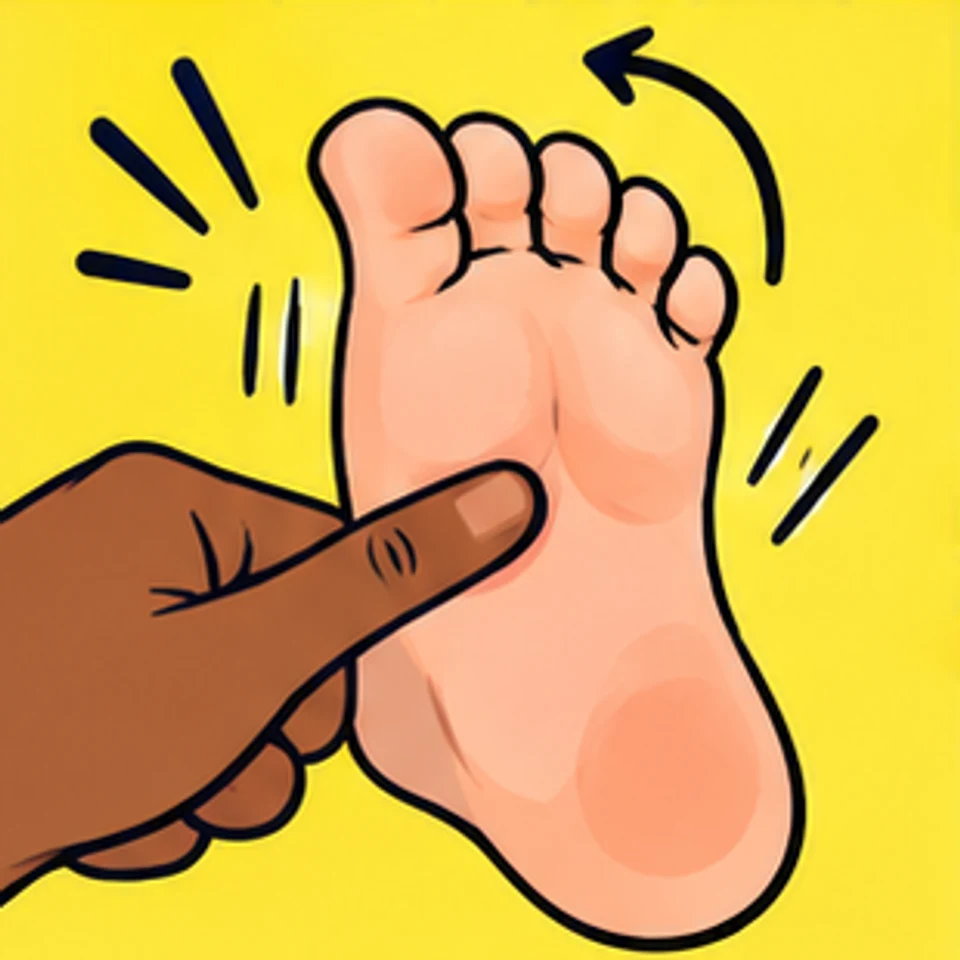
During a medical examination, a stimulus along the sole may trigger movement of the toes. In adults they normally flex downward or show little response. In young children, however, upward movement of the big toe with fanning of the other toes can be developmentally normal.
Why does it happen?
The response arises through sensory and motor nerve pathways and is influenced by descending pathways from the brain. Maturation of these pathways explains the age difference; the precise stimulation technique and the rest of the examination findings are essential to interpretation.
Frequency
The plantar response is part of a routine neurological examination. Its form depends on age; isolated toe movements observed by oneself provide no information about prevalence or diagnosis.
Frequency is a qualitative description, not your individual probability.
Is it normal?
An age-appropriate, symmetrical pattern is normal.
When to seek advice
This reflex is not suitable for self-diagnosis. New weakness, sensory changes, or gait problems should be medically assessed regardless of a self-observed reflex.
Does this happen to you?
Your answer is first saved only on this device.
How others answer
Loading results …
No shared answers yet.
Voluntary responses, not representative. One answer per saved browser key and article is counted. Multiple submissions are possible; people are not verified.
Sources (1)
- StatPearls: Babinski Reflex (opens a new tab)
This source supports the description and physiological context of this entry.
Editorial update: . AI-assisted research and editing; not individually reviewed by a physician. How we research