In a nutshell
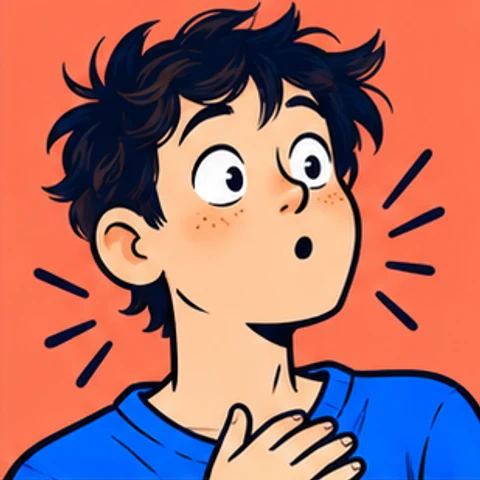
An unexpected bang can trigger blinking and a brief whole-body jerk. The movement often begins before the person has consciously recognized what happened.
Why does it happen?
A rapid brainstem pathway links intense sudden stimuli to motor responses. Auditory information and pontine networks play a central role in the acoustic startle reflex. Attention, expected danger, and preceding weaker stimuli alter the strength of the response.
Frequency
Startling in response to sudden intense stimuli is a normal, widespread reaction. Its intensity and the degree of habituation differ between people.
Frequency is a qualitative description, not your individual probability.
Is it normal?
Startling when surprised is ordinary.
When to seek advice
Unusually strong new reactions accompanied by falls, pronounced muscle stiffness, or impaired consciousness should be medically assessed.
Does this happen to you?
Your answer is first saved only on this device.
How others answer
Loading results …
No shared answers yet.
Voluntary responses, not representative. One answer per saved browser key and article is counted. Multiple submissions are possible; people are not verified.
Sources (1)
- Research Progress in the Study of Startle Reflex to Disease States (opens a new tab)
This source supports the description and physiological context of this entry.
Editorial update: . AI-assisted research and editing; not individually reviewed by a physician. How we research