In a nutshell
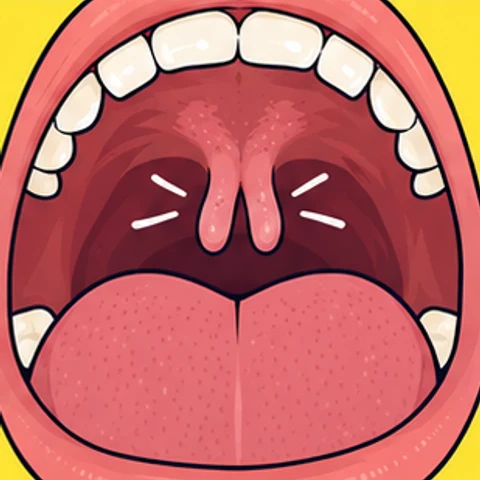
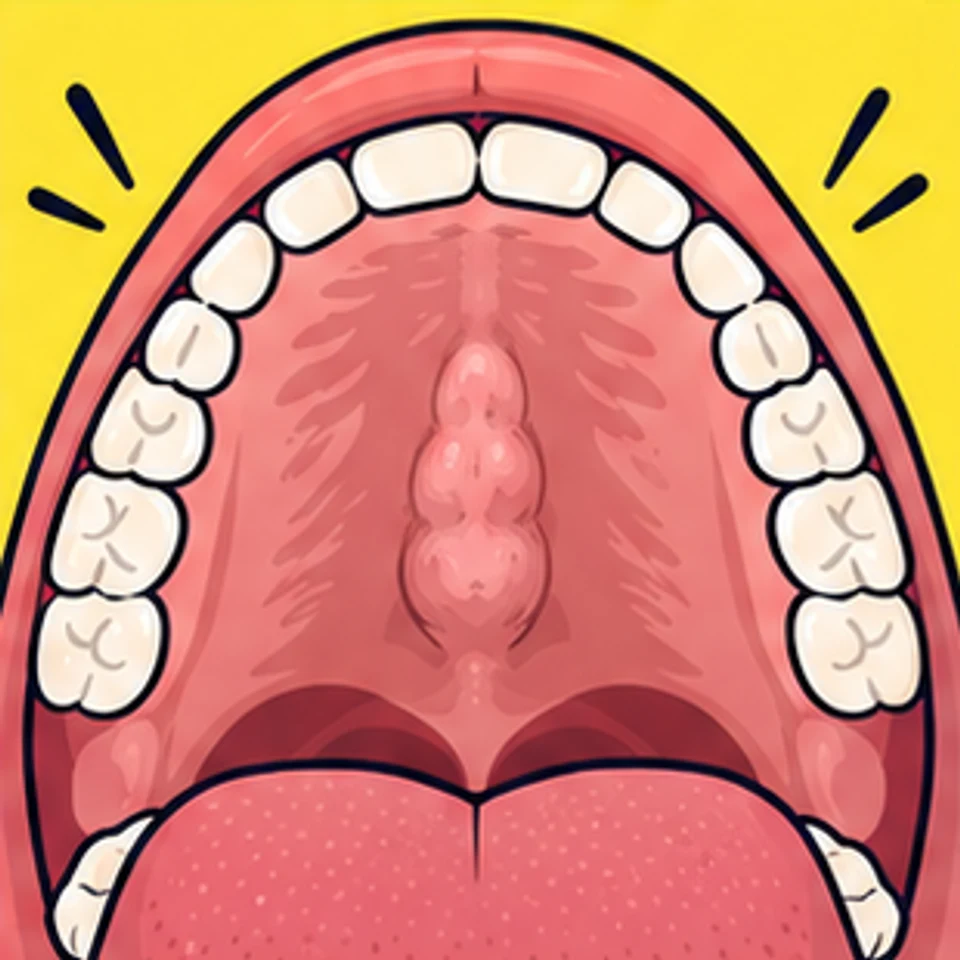
A torus palatinus is a hard bony protrusion in the middle of the hard palate. It usually grows slowly, is benign, and generally needs no treatment without symptoms.
Why does it happen?
Additional bone forms beneath the mucosa. Predisposition and local loading factors are discussed as influences. The thin mucosa over the protrusion can be more easily injured by hard foods.
Frequency
A bony ridge on the palate occurs in some adults. Its frequency differs among populations and by the age group studied.
Frequency is a qualitative description, not your individual probability.
Is it normal?
A stable, painless torus is usually normal.
When to seek advice
Have a newly noticed lump on the palate classified by a dentist; rapid growth, persistent sores, pain, or swallowing problems should be assessed.
Does this happen to you?
Your answer is first saved only on this device.
How others answer
Loading results …
No shared answers yet.
Voluntary responses, not representative. One answer per saved browser key and article is counted. Multiple submissions are possible; people are not verified.
Sources (1)
- Torus palatinus: knöcherner Gaumenvorsprung (opens a new tab)
The overview describes the location, benign nature, and possible mechanical symptoms.
Editorial update: . AI-assisted research and editing; not individually reviewed by a physician. How we research