In a nutshell
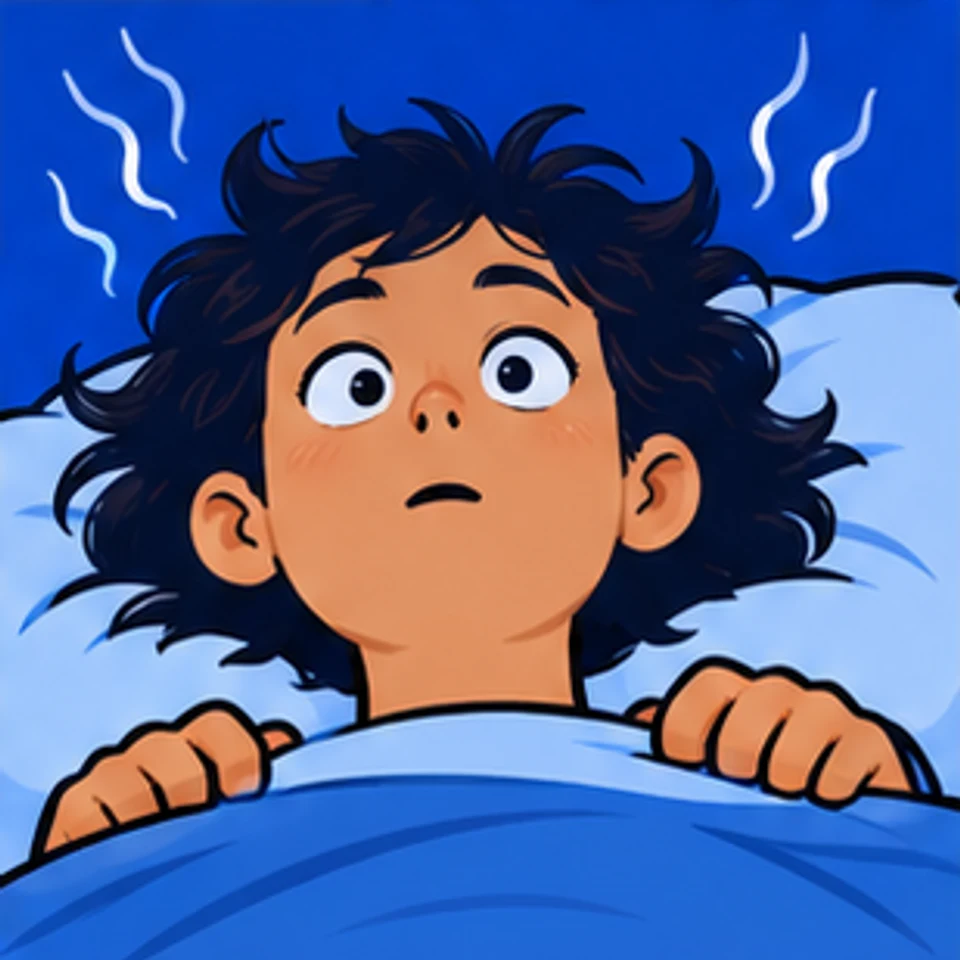
When waking or falling asleep, a person feels awake but may briefly be unable to move or speak. A feeling of pressure or the perceived presence of a person can make the episode particularly frightening.
Why does it happen?
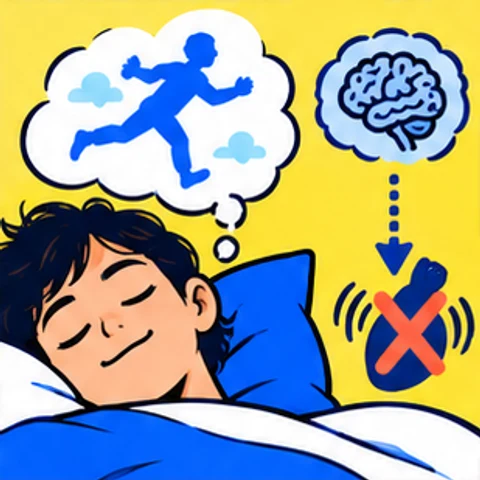
During REM sleep, activity in many skeletal muscles is normally strongly inhibited. In sleep paralysis, this movement inhibition and conscious experience temporarily coexist. Dream-like perceptions may occur while automatic breathing continues; the episode usually ends on its own.
Frequency
Sleep paralysis can occur without another sleep disorder. Occasional experiences and regularly recurring episodes should be distinguished when reporting frequency.
Frequency is a qualitative description, not your individual probability.
Is it normal?
Isolated brief episodes are usually harmless, though they can provoke fear.
When to seek advice
Seek sleep-medicine assessment for frequent episodes or severe daytime sleepiness; persistent paralysis while awake is not sleep paralysis.
Does this happen to you?
Your answer is first saved only on this device.
How others answer
Loading results …
No shared answers yet.
Voluntary responses, not representative. One answer per saved browser key and article is counted. Multiple submissions are possible; people are not verified.
Sources (1)
- Sleep Paralysis — StatPearls (opens a new tab)
Sleep paralysis combines wakeful awareness with persistent REM muscle inhibition and may involve dream-like perceptions.
Editorial update: . AI-assisted research and editing; not individually reviewed by a physician. How we research