In a nutshell
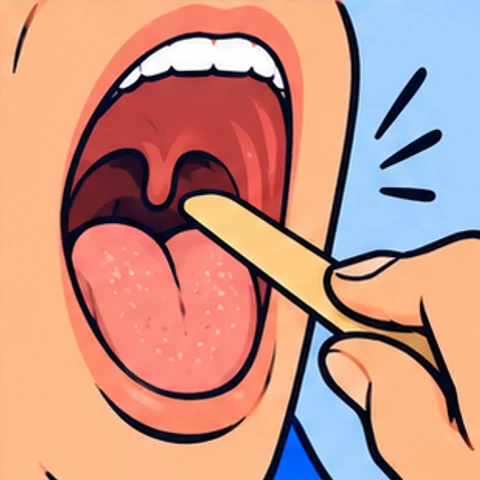
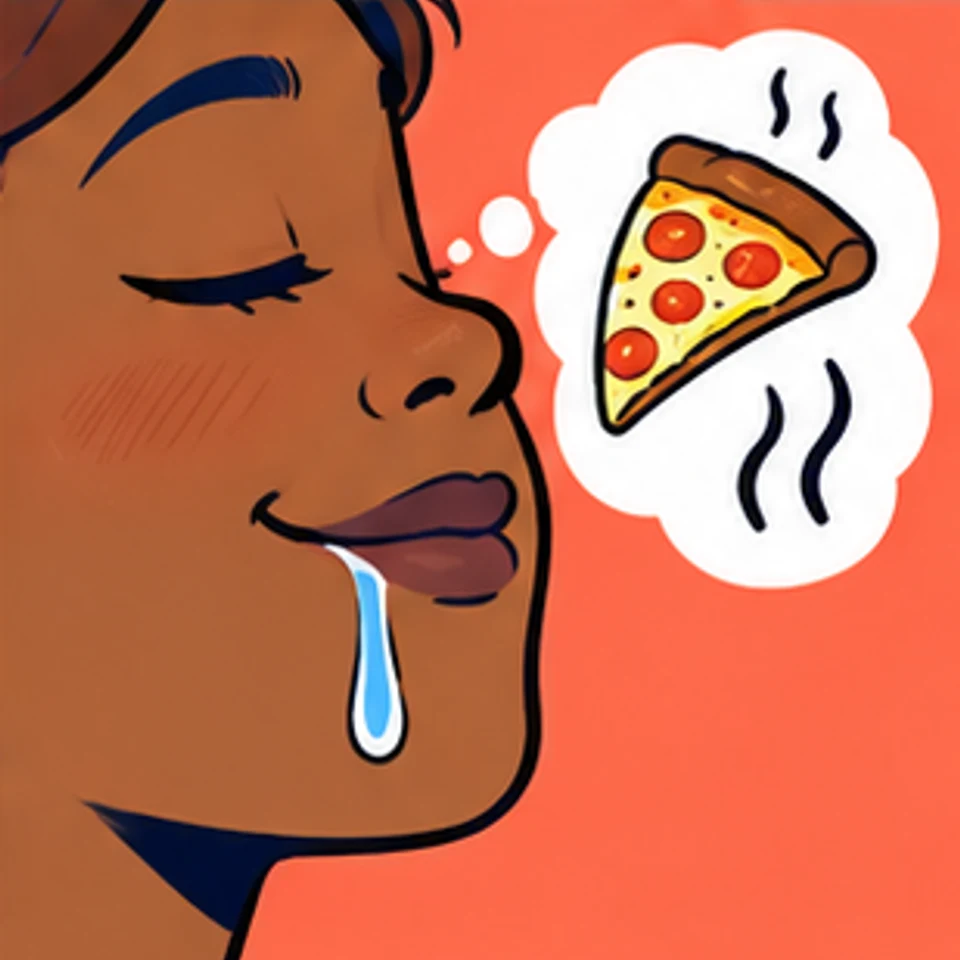
The smell, sight, or taste of food alone can make the mouth water. Saliva moistens food, makes swallowing easier, and protects the surfaces of the mouth.
Why does it happen?
Taste and touch signals reach salivatory centers in the brainstem. Autonomic nerves activate the major and minor salivary glands. Parasympathetic activity in particular promotes a plentiful flow of watery saliva that mixes with food.
Frequency
Reflex saliva production in response to food cues is part of normal digestion. The amount of saliva depends on the stimulus, the situation, and individual factors.
Frequency is a qualitative description, not your individual probability.
Is it normal?
Increased salivation when food is appetizing is normal.
When to seek advice
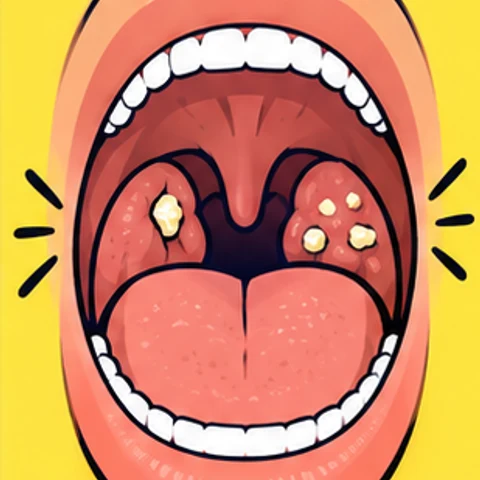
Persistent dry mouth, painful gland swelling, or discharge of pus should be assessed by a doctor or dentist.
Does this happen to you?
Your answer is first saved only on this device.
How others answer
Loading results …
No shared answers yet.
Voluntary responses, not representative. One answer per saved browser key and article is counted. Multiple submissions are possible; people are not verified.
Sources (1)
- Physiologie der Speichelbildung – StatPearls (opens a new tab)
This source supports the description and physiological context of this entry.
Editorial update: . AI-assisted research and editing; not individually reviewed by a physician. How we research