In a nutshell
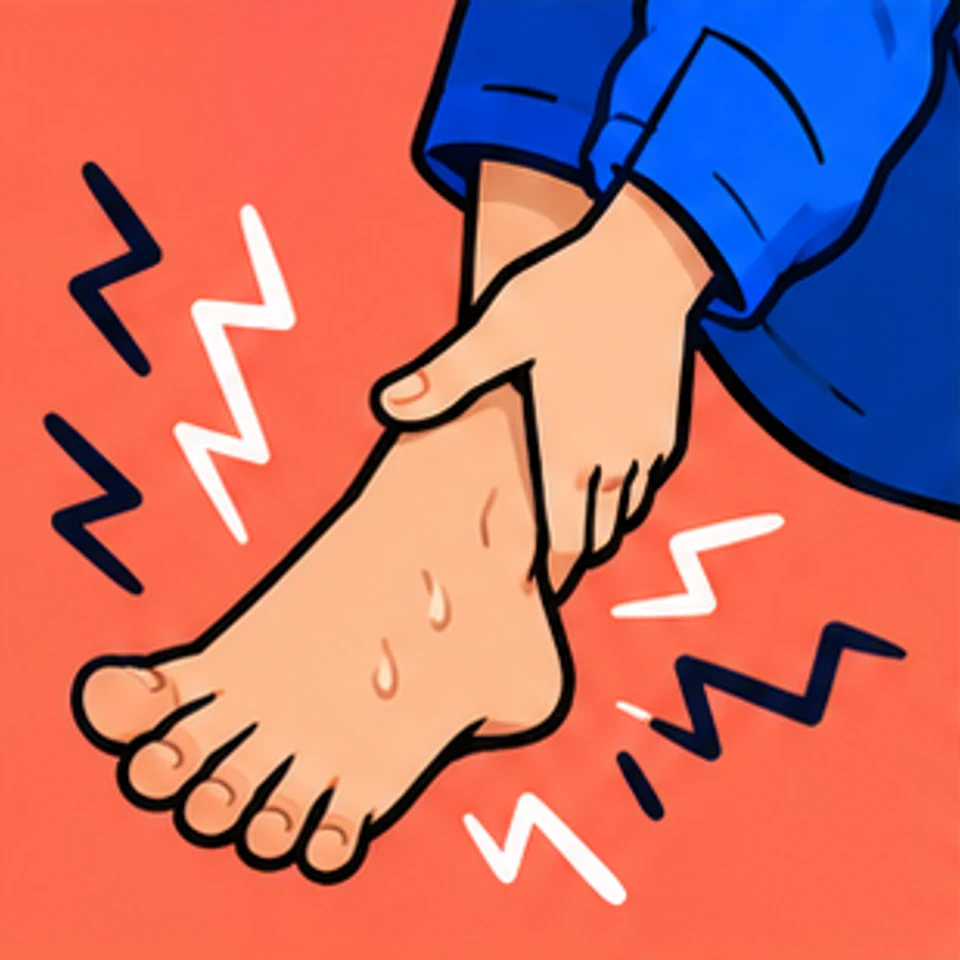
After sitting on one leg for a long time, the foot may feel dull or numb and then tingle unpleasantly. In a brief pressure-related episode, this usually resolves within a few minutes after changing position.
Why does it happen?
Pressure on a peripheral nerve can temporarily impair its signal transmission. The blood supply to the affected nerve tissue may also be reduced by the pressure. After pressure is removed, nerve function usually returns to normal, with tingling sometimes perceived temporarily instead of ordinary touch.
Frequency
Temporary tingling or numbness after pressure on a nerve is widespread. How often it occurs depends on posture and load; persistent symptoms are distinct from this.
Frequency is a qualitative description, not your individual probability.
Is it normal?
A brief, clearly posture-related “asleep” foot that resolves completely is usually harmless. Relieve the pressure and put weight on the foot only when sensation and control have returned.
When to seek advice
Persistent or recurrent numbness, or numbness without obvious pressure, should be medically assessed. Sudden numbness with weakness or speech or vision disturbance is an emergency: call emergency services immediately.
Does this happen to you?
Your answer is first saved only on this device.
How others answer
Loading results …
No shared answers yet.
Voluntary responses, not representative. One answer per saved browser key and article is counted. Multiple submissions are possible; people are not verified.
Sources (2)
- Pins and needles — NHS (opens a new tab)
This source supports the description and physiological context of this entry.
- Numbness and tingling — MedlinePlus Medical Encyclopedia (opens a new tab)
This source supports the description and physiological context of this entry.
Editorial update: . AI-assisted research and editing; not individually reviewed by a physician. How we research