In a nutshell
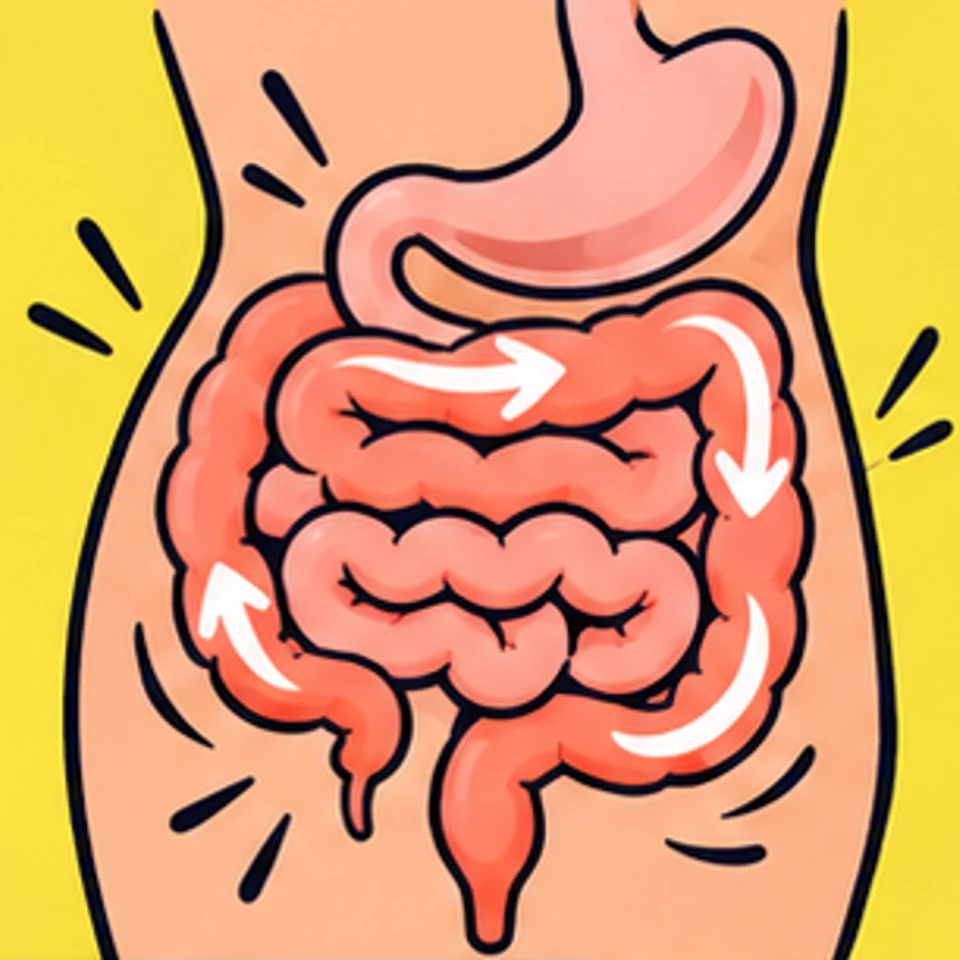
The digestive tract remains active even when no new food is present. Between meals, cyclical movement patterns occur in the stomach and small intestine; these are known as the migrating motor complex.
Why does it happen?
Quieter phases alternate with increasing muscular activity. A brief phase of strong contractions travels through sections of the upper digestive tract. Enteric nerves and signaling substances such as motilin are involved; eating replaces this pattern with the post-meal form of motility.
Frequency
The migrating motor complex is part of normal gastrointestinal motility between meals. Its cycles describe a sequence over time, not a rare trait found only in some people.
Frequency is a qualitative description, not your individual probability.
Is it normal?
This movement pattern is part of normal digestive physiology and usually goes unnoticed.
When to seek advice
Persistent pain, vomiting, weight loss, or marked abdominal distension cannot be explained solely by normal fasting movements.
Does this happen to you?
Your answer is first saved only on this device.
How others answer
Loading results …
No shared answers yet.
Voluntary responses, not representative. One answer per saved browser key and article is counted. Multiple submissions are possible; people are not verified.
Sources (1)
- Der migrierende motorische Komplex: Steuerung und Funktion (opens a new tab)
This source supports the description and physiological context of this entry.
Editorial update: . AI-assisted research and editing; not individually reviewed by a physician. How we research