In a nutshell
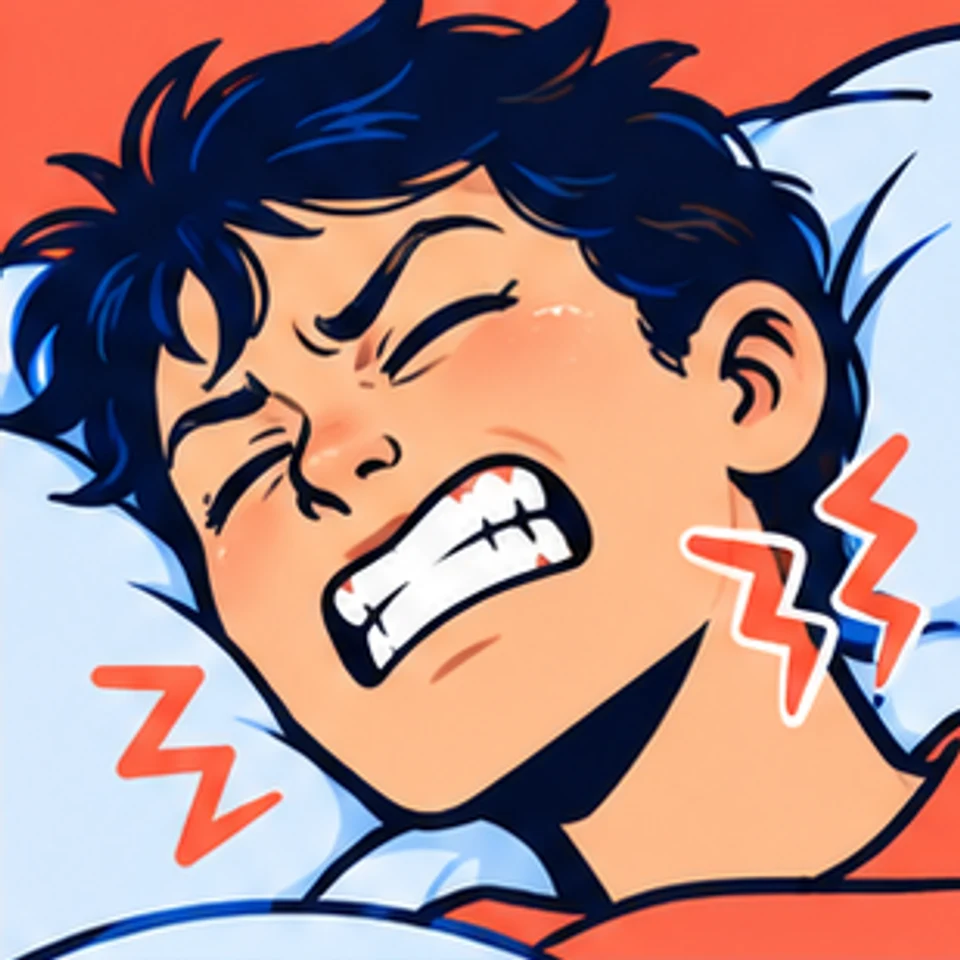
Clenching or grinding can occur during sleep or while awake. Occasional jaw-muscle activity does not automatically cause damage, but frequent or forceful episodes can strain the teeth and jaw.
Why does it happen?
The chewing muscles are activated outside normal chewing. Sleep bruxism often occurs in association with brief activations during sleep. Awake bruxism may be related to tension and habits; causes and consequences differ between individuals.
Frequency
Teeth clenching and grinding are found at different rates depending on age and measurement method. Awake and sleep bruxism are distinct behaviors and should not be combined into a single figure.
Frequency is a qualitative description, not your individual probability.
Is it normal?
Occasional episodes without damage are possible.
When to seek advice
Tooth wear, broken teeth, morning jaw pain, or restricted mouth opening should be assessed by a dentist; pauses in breathing during sleep should also be discussed with a clinician.
Does this happen to you?
Your answer is first saved only on this device.
How others answer
Loading results …
No shared answers yet.
Voluntary responses, not representative. One answer per saved browser key and article is counted. Multiple submissions are possible; people are not verified.
Sources (1)
- Umgang mit Bruxismus – StatPearls (opens a new tab)
This source supports the description and physiological context of this entry.
Editorial update: . AI-assisted research and editing; not individually reviewed by a physician. How we research