In a nutshell
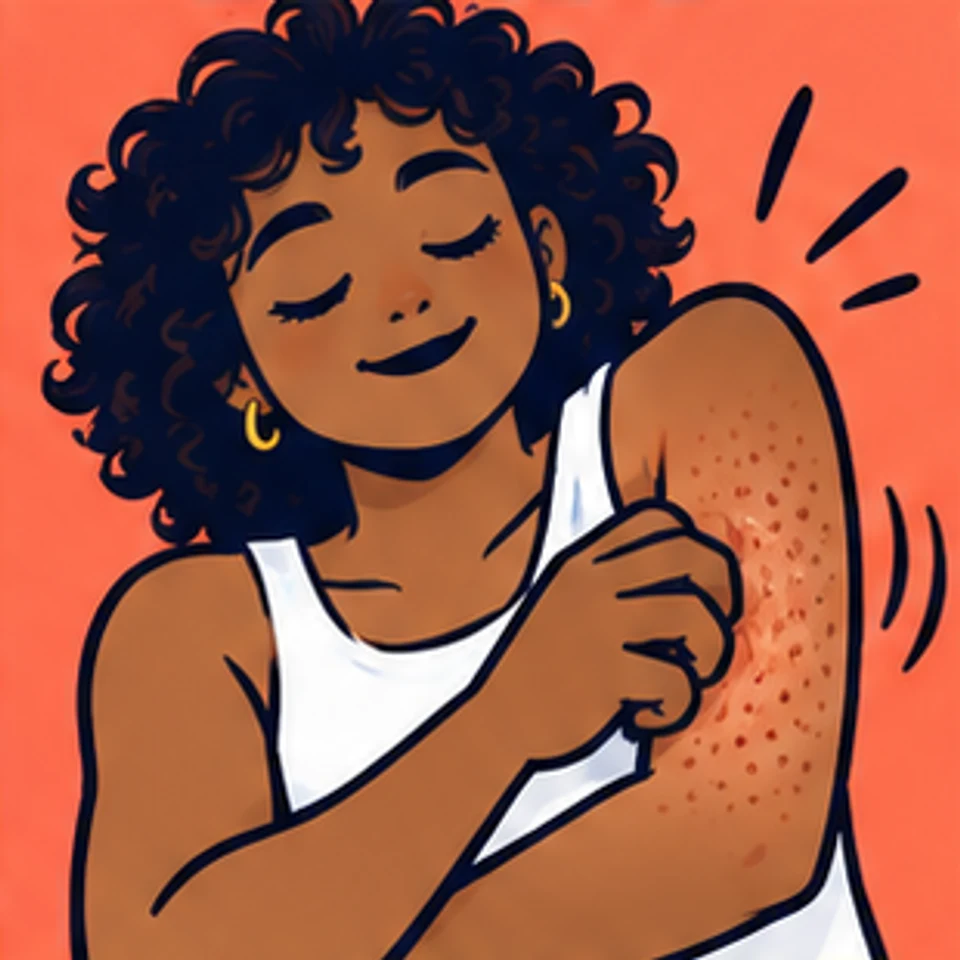
Scratching often relieves itching immediately, but only briefly. If the skin is injured, even more itching may follow.
Why does it happen?
Itch travels through specialized sensory pathways from the skin to the spinal cord and brain. Scratching activates pain-conducting fibers and inhibitory processes, among others, which can temporarily reduce itch signals. Skin damage and inflammation instead promote new itching, creating a self-reinforcing cycle.
Frequency
The urge to scratch and the temporary relief it provides are common itch experiences. Frequent chronic itching is a different question from the normal response itself.
Frequency is a qualitative description, not your individual probability.
Is it normal?
Brief itching is common; vigorous scratching is not a favorable long-term solution.
When to seek advice
Persistent, widespread, or sleep-disrupting itch, as well as inflamed or injured skin, should be medically assessed.
Does this happen to you?
Your answer is first saved only on this device.
How others answer
Loading results …
No shared answers yet.
Voluntary responses, not representative. One answer per saved browser key and article is counted. Multiple submissions are possible; people are not verified.
Sources (2)
- Relief of itch by scratching: state-dependent inhibition of primate spinothalamic tract neurons (opens a new tab)
This source supports the description and physiological context of this entry.
- Frontiers in pruritus research: scratching the brain for more effective itch therapy (opens a new tab)
This source supports the description and physiological context of this entry.
Editorial update: . AI-assisted research and editing; not individually reviewed by a physician. How we research