In a nutshell
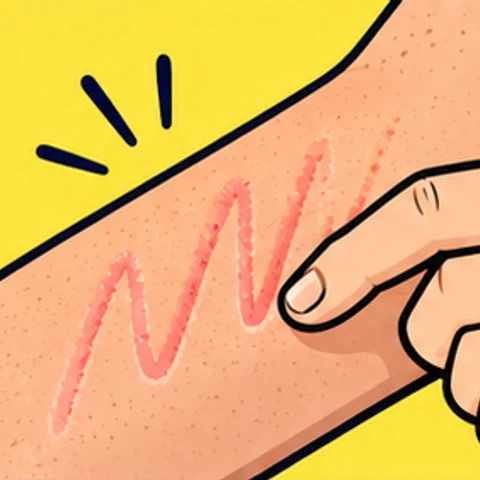
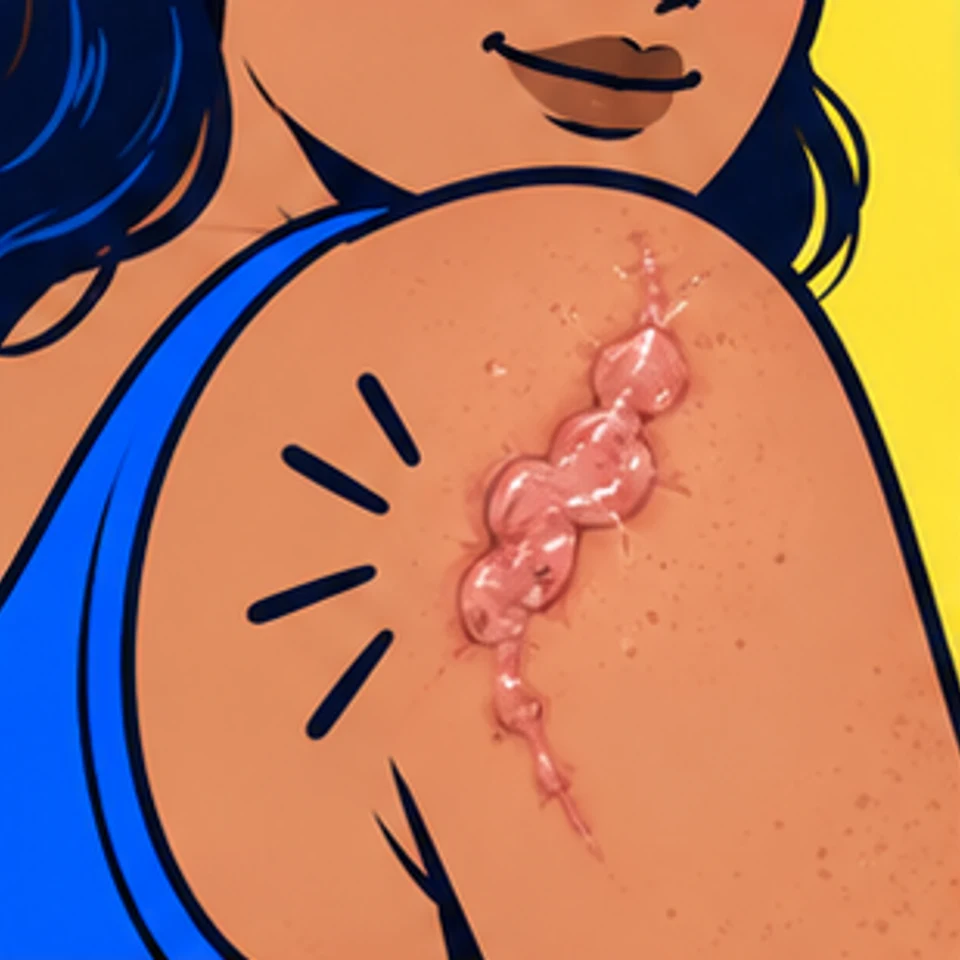
After a small injury, acne, or a piercing, a firm raised scar can form that becomes larger than the original wound. Such a keloid may itch or feel tight and often persists for a long time. It differs from a hypertrophic scar, which remains within the boundaries of the original wound.
Why does it happen?
During wound healing, connective-tissue cells produce collagen and other components of the tissue matrix. This regulation is altered in a keloid; why particular people and skin sites are especially susceptible is not fully understood.
Frequency
The tendency to form keloids differs by individual predisposition, skin type, and injury site. A single population prevalence poorly represents these differences.
Frequency is a qualitative description, not your individual probability.
Is it normal?
A keloid is benign, but it does not represent particularly fast or better wound healing.
When to seek advice
Growing skin lumps without a clear history of scarring, open areas, bleeding, or severe symptoms should be assessed by a dermatologist.
Does this happen to you?
Your answer is first saved only on this device.
How others answer
Loading results …
No shared answers yet.
Voluntary responses, not representative. One answer per saved browser key and article is counted. Multiple submissions are possible; people are not verified.
Sources (1)
- DermNet: Keloid and hypertrophic scar (opens a new tab)
This source supports the description and physiological context of this entry.
Editorial update: . AI-assisted research and editing; not individually reviewed by a physician. How we research