In a nutshell
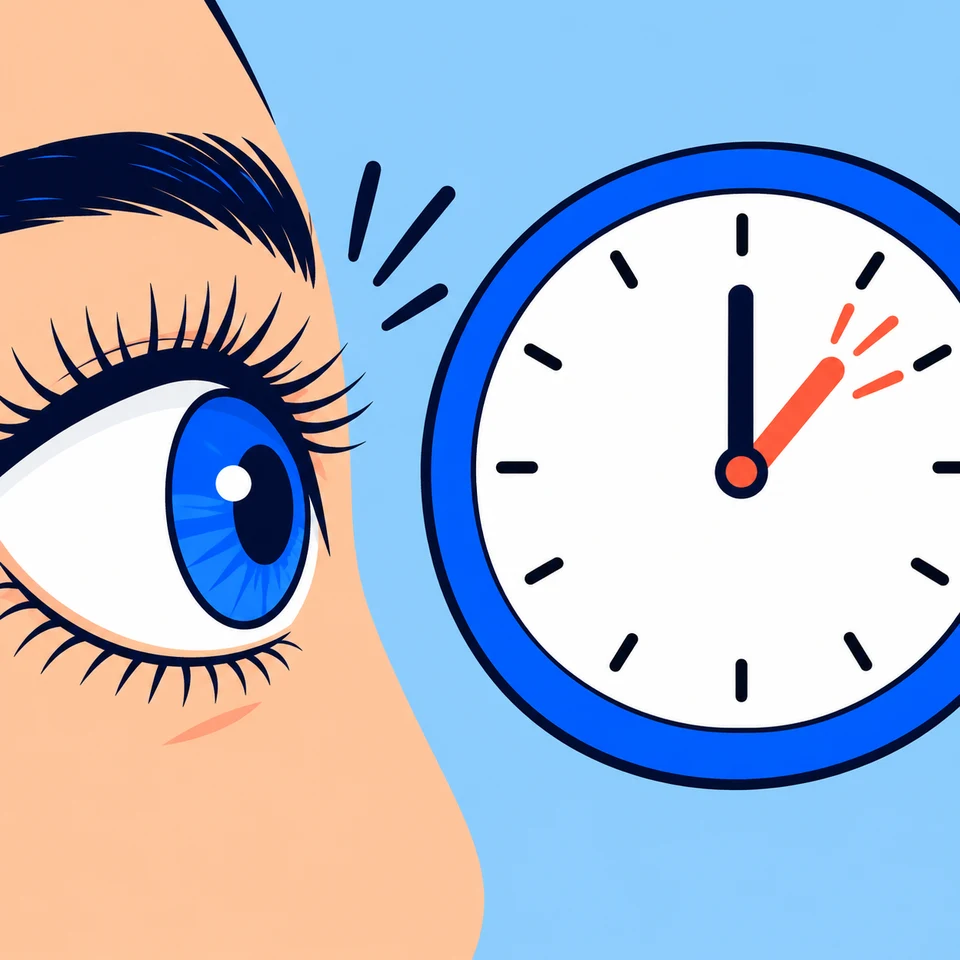
A quick glance at a clock can create the impression that the second hand initially stands still. In particular, the first interval after the eye movement appears prolonged; the clock itself continues normally.
Why does it happen?
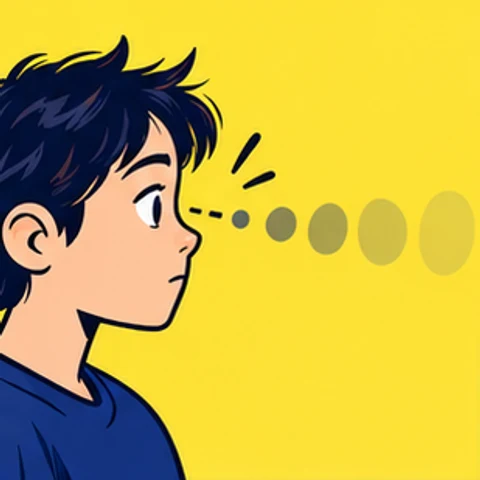
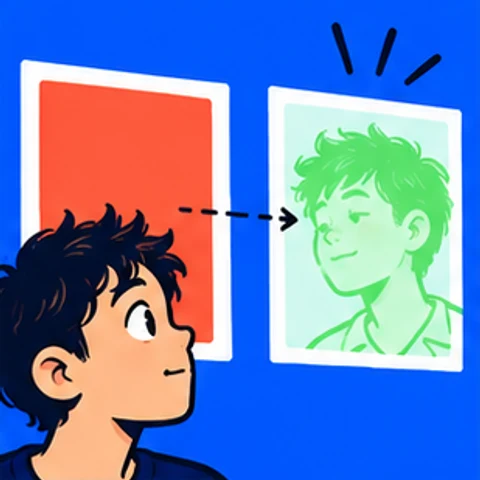
During a saccade, retinal images change very quickly while sensitivity to certain visual stimuli is reduced. After the eye movement, the perceived start of the new image is shifted back in time. This temporal reconstruction explains part of the lengthened first second; it is not an actually prolonged exposure.
Frequency
The effect is observed in experiments with suitable shifts of gaze, but is not experienced equally clearly by everyone. A laboratory response does not say how often people notice it in daily life.
Frequency is a qualitative description, not your individual probability.
Is it normal?
A normal time illusion when shifting one’s gaze.
Does this happen to you?
Your answer is first saved only on this device.
How others answer
Loading results …
No shared answers yet.
Voluntary responses, not representative. One answer per saved browser key and article is counted. Multiple submissions are possible; people are not verified.
Sources (1)
- Illusory perceptions of space and time preserve cross-saccadic perceptual continuity (opens a new tab)
The first interval after a saccade appears prolonged; the study examines temporal backdating of perception.
Editorial update: . AI-assisted research and editing; not individually reviewed by a physician. How we research