In a nutshell
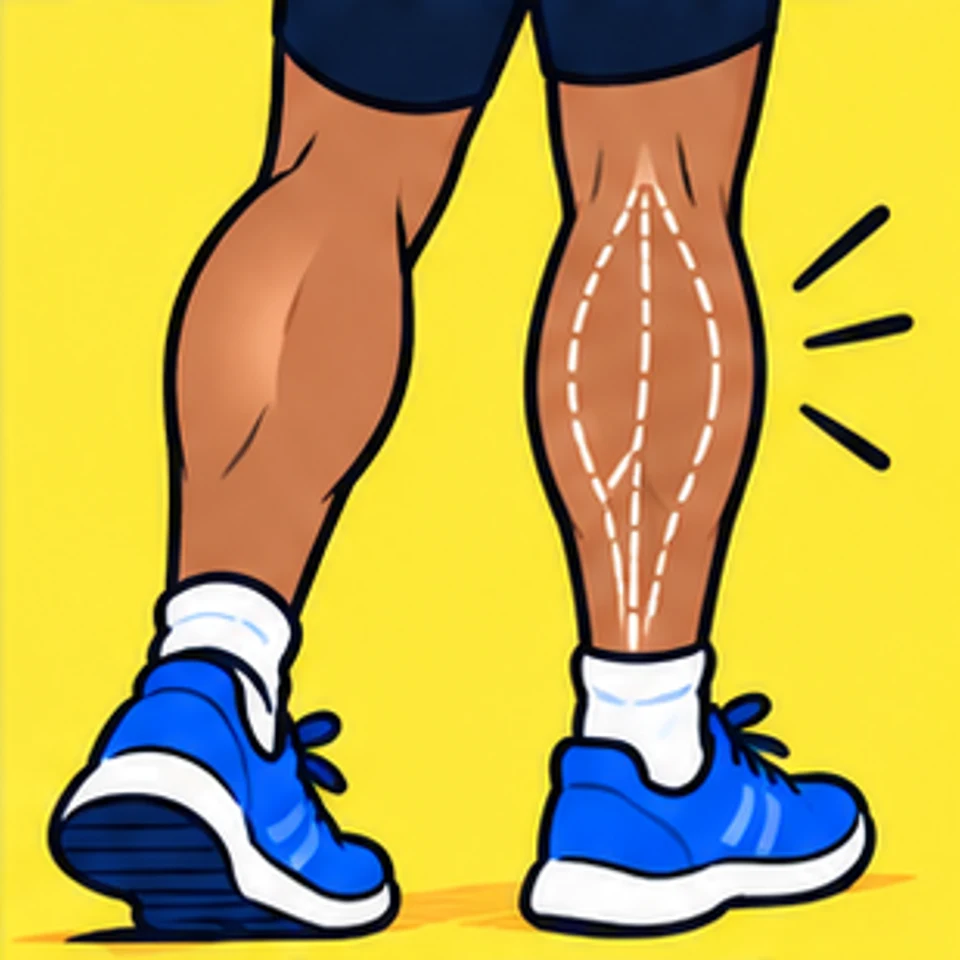
The plantaris has a small muscle belly near the knee and a very long, thin tendon along the calf. In some people it does not develop. This variation is often noticed only during imaging or surgery.
Why does it happen?
The powerful calf muscles, gastrocnemius and soleus, provide most ankle plantar flexion. The smaller plantaris may contribute to movement and sensory feedback, but is not by itself essential for normal walking.
Frequency
The plantaris is present in most people but can be absent. Reported proportions depend on the population studied and the anatomical method used.
Frequency is a qualitative description, not your individual probability.
Is it normal?
An asymptomatic absence is normal.
When to seek advice
Acute calf pain, swelling, or bruising needs timely assessment.
Does this happen to you?
Your answer is first saved only on this device.
How others answer
Loading results …
No shared answers yet.
Voluntary responses, not representative. One answer per saved browser key and article is counted. Multiple submissions are possible; people are not verified.
Sources (1)
- The Plantaris Muscle Is Not Vestigial: Developmental, Comparative, and Functional Evidence for Its Sensorimotor Role (opens a new tab)
Anatomy, function, and variability of the plantaris.
Editorial update: . AI-assisted research and editing; not individually reviewed by a physician. How we research