In a nutshell
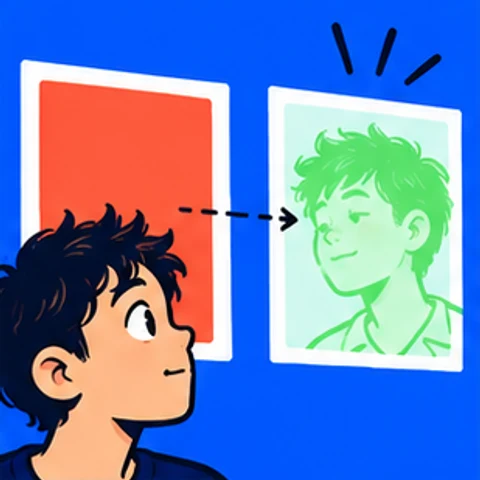
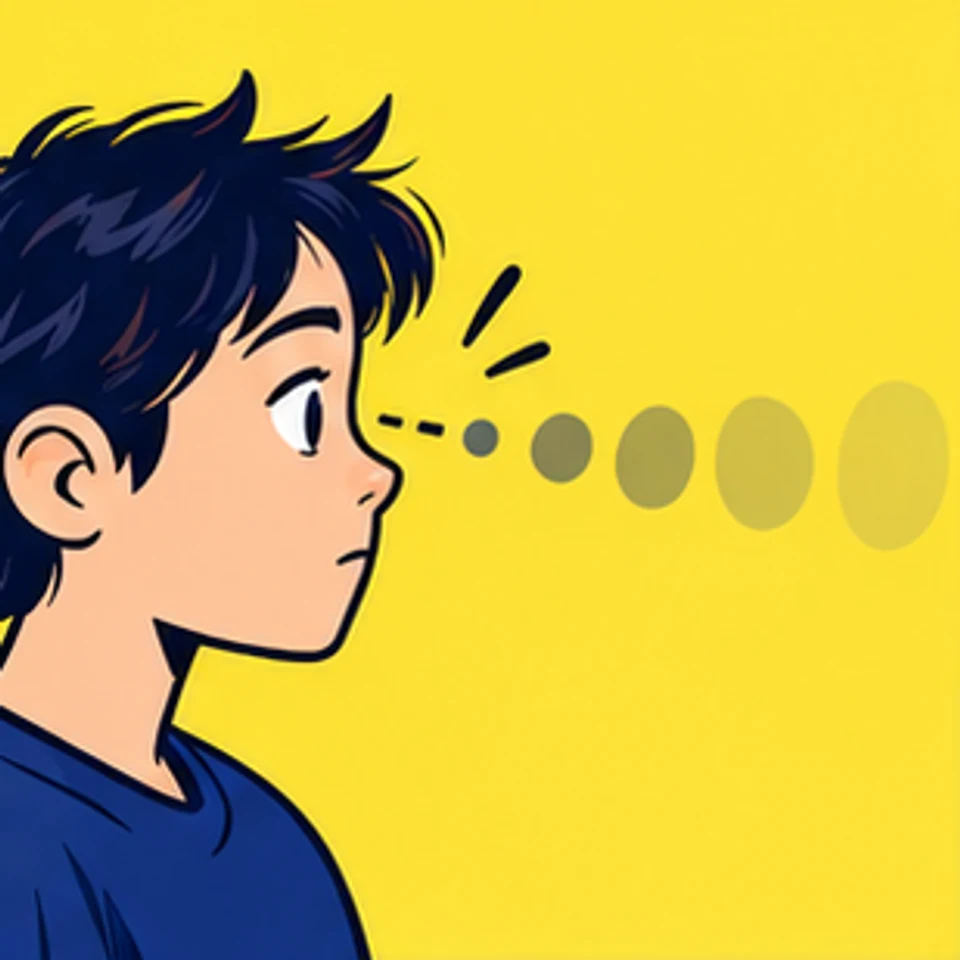
When the gaze rests on one point, weak stationary patterns beside it can gradually fade. A small eye movement usually makes them reappear.
Why does it happen?
When the retinal image changes very little, the response to constant stimuli decreases through adaptation. Small involuntary eye movements normally renew stimulus changes and can make faded patterns visible again. Contrast, distance from the fixation point, and the particular eye movements affect the phenomenon.
Frequency
Fading of stationary peripheral images can be observed by many people under suitable viewing conditions. There is no fixed everyday rate independent of eye movements and image contrast.
Frequency is a qualitative description, not your individual probability.
Is it normal?
Temporary fading during fixation is a normal illusion.
Does this happen to you?
Your answer is first saved only on this device.
How others answer
Loading results …
No shared answers yet.
Voluntary responses, not representative. One answer per saved browser key and article is counted. Multiple submissions are possible; people are not verified.
Sources (1)
- Microsaccades restore the visibility of minute foveal targets (opens a new tab)
Stationary stimuli can fade during fixation; small eye movements are associated with their becoming visible again.
Editorial update: . AI-assisted research and editing; not individually reviewed by a physician. How we research