In a nutshell
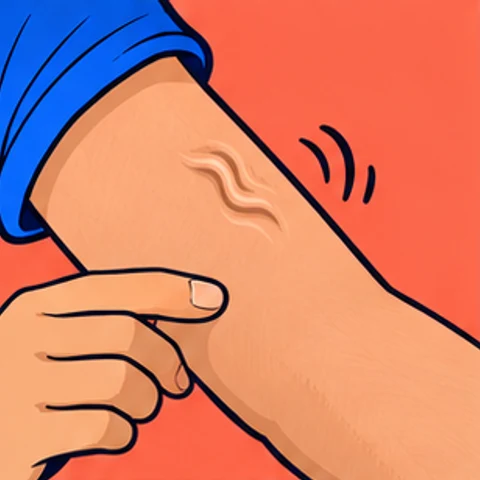
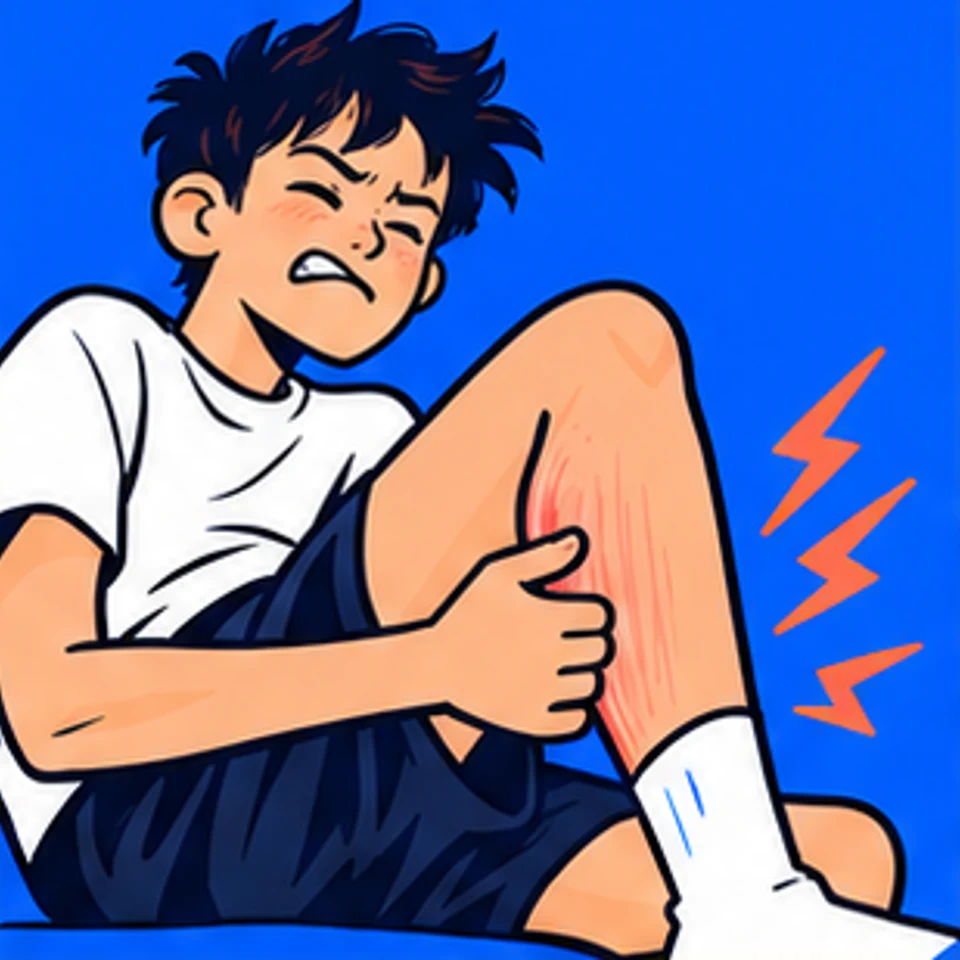
During a muscle cramp, a muscle suddenly contracts painfully and is temporarily difficult to relax. Calves and feet are particularly often affected, including at night. The cramp usually resolves after seconds to minutes, though the muscle can remain tender.
Why does it happen?
Motor activation lasts longer than intended. Why this happens is often unclear; exertion, certain medicines, and other factors can contribute, but a cramp does not automatically mean magnesium deficiency.
Frequency
Muscle cramps are widespread, particularly in calves and feet. How often they occur varies greatly with age, exertion, and other circumstances.
Frequency is a qualitative description, not your individual probability.
Is it normal?
Occasional nighttime or exertion-related cramps are common.
When to seek advice
Very frequent cramps, persistent hardening, weakness, or swelling should be assessed.
Does this happen to you?
Your answer is first saved only on this device.
How others answer
Loading results …
No shared answers yet.
Voluntary responses, not representative. One answer per saved browser key and article is counted. Multiple submissions are possible; people are not verified.
Sources (1)
- NHS: Leg cramps (opens a new tab)
Triggers and usual self-help for leg cramps.
Editorial update: . AI-assisted research and editing; not individually reviewed by a physician. How we research