In a nutshell
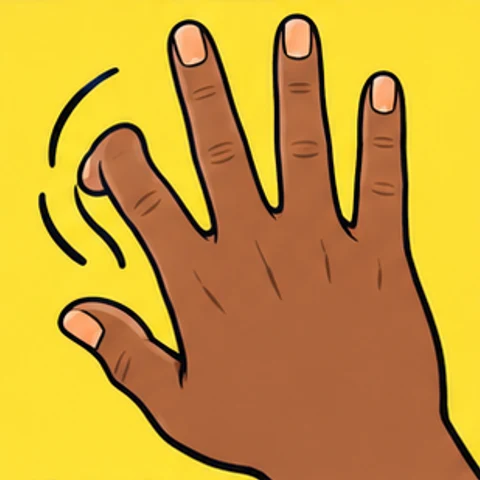
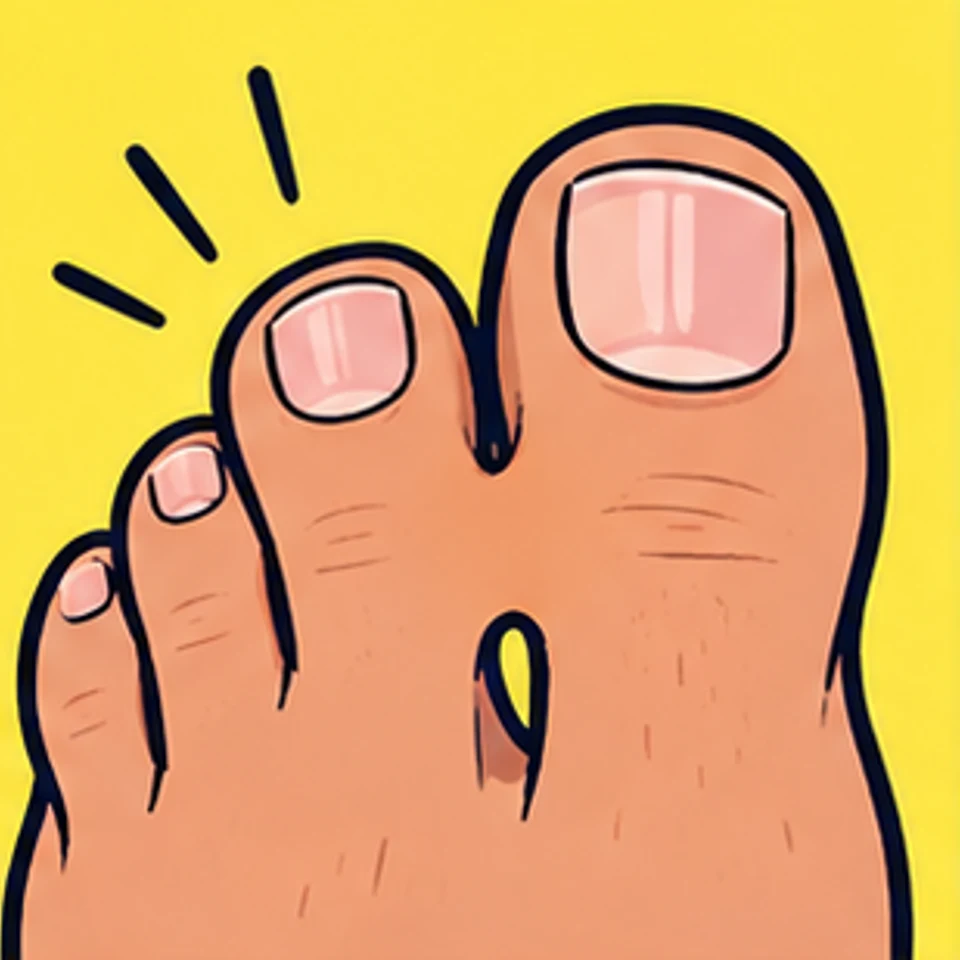
In syndactyly, two or more fingers or toes are joined by skin, and sometimes deeper structures. The connection may be limited to the base or extend to the tips. Joined toes often impair function little; at the hand, the implications for growth and grasping are greater.
Why does it happen?
During early development, hands and feet are initially paddle-shaped. In most congenital syndactylies, later separation of fingers or toes is partly absent; depending on the form, only soft tissue or also bone is involved.
Frequency
Joined fingers or toes are a congenital variation affecting only some newborns. Frequency differs by the digits involved and by simple versus complex form.
Frequency is a qualitative description, not your individual probability.
Is it normal?
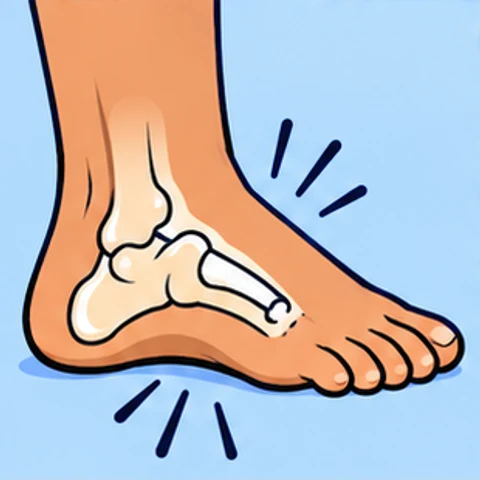
An isolated skin connection between toes is often without functional symptoms.
When to seek advice
Joined fingers should be assessed early by a pediatric hand surgeon so growth and function can be considered. Additional congenital differences belong in pediatric assessment.
Does this happen to you?
Your answer is first saved only on this device.
How others answer
Loading results …
No shared answers yet.
Voluntary responses, not representative. One answer per saved browser key and article is counted. Multiple submissions are possible; people are not verified.
Sources (1)
- Seattle Children’s: Syndactyly (opens a new tab)
Development, simple and complex forms, and different implications in hands and feet.
Editorial update: . AI-assisted research and editing; not individually reviewed by a physician. How we research