In a nutshell
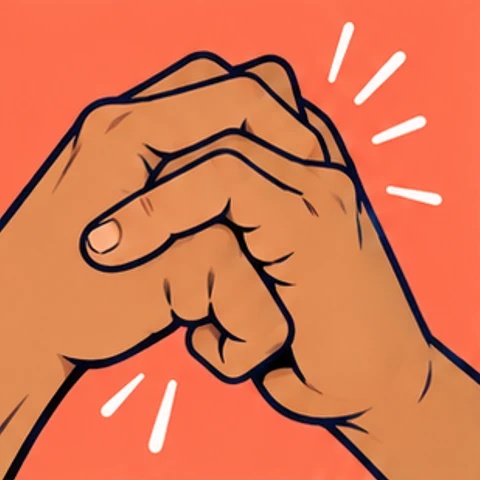
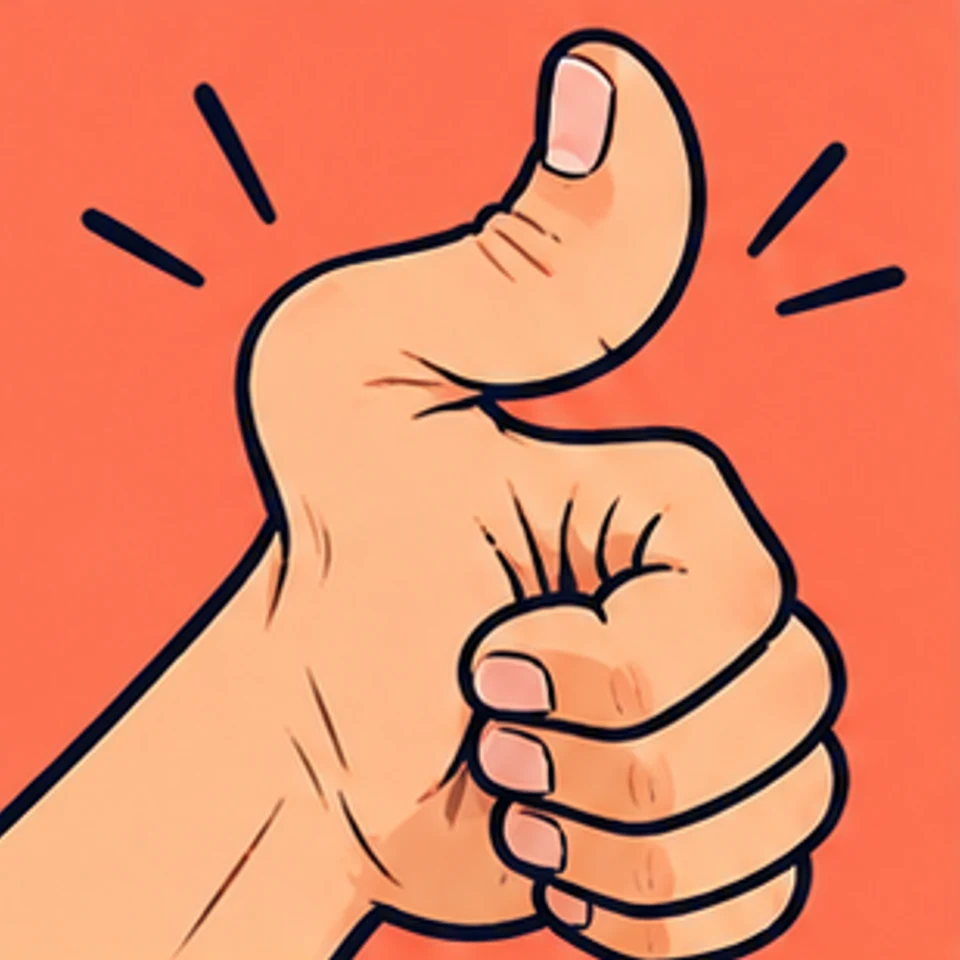
In some people, the end segment of the thumb can extend distinctly backward. There is no extra joint, even though the form is colloquially called “double-jointed.” A lifelong painless expression can be a normal variation.
Why does it happen?
The interaction of joint surfaces, capsule, and ligaments determines the possible extension angle. A hyperextensible thumb alone does not demonstrate a generalized connective-tissue disorder and should not be forced farther back.
Frequency
The possible extension angle of the thumb varies continuously. How many thumbs count as hyperextensible therefore also depends on the chosen cutoff.
Frequency is a qualitative description, not your individual probability.
Is it normal?
Painless, stable mobility is normal.
When to seek advice
Have pain, instability, or repeated dislocation examined.
Does this happen to you?
Your answer is first saved only on this device.
How others answer
Loading results …
No shared answers yet.
Voluntary responses, not representative. One answer per saved browser key and article is counted. Multiple submissions are possible; people are not verified.
Sources (1)
- Cleveland Clinic: Hitchhiker’s Thumb (opens a new tab)
Describes the usually symptom-free hyperextension of the thumb end joint.
Editorial update: . AI-assisted research and editing; not individually reviewed by a physician. How we research