In a nutshell
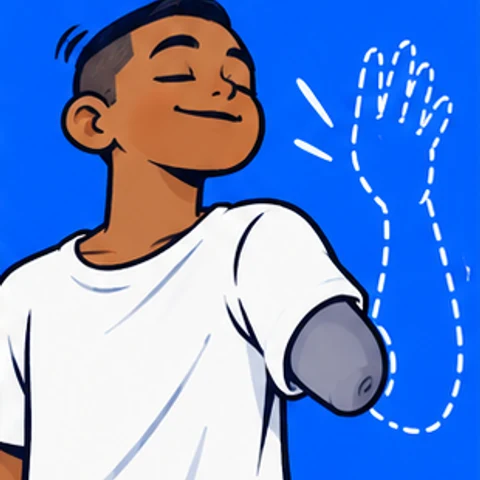
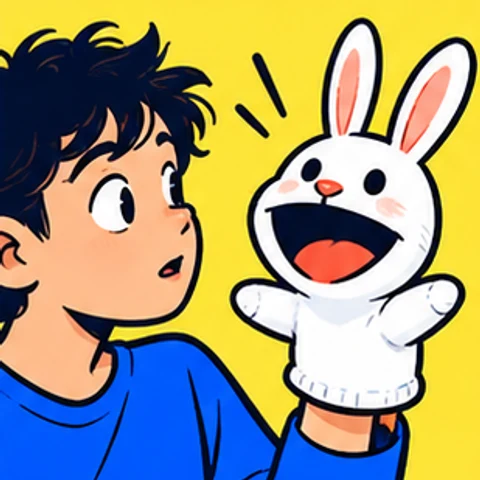
A visible artificial hand can briefly feel like one’s own when it and the hidden real hand are touched in matching ways. The strength of this sense of ownership varies greatly.
Why does it happen?
The brain combines vision, touch, and information about the position of one’s limbs. Timed matching touches on a plausibly positioned artificial hand can change this assignment. Premotor and parietal networks are involved; expectations and instructions can also affect what participants report.
Frequency
Not all participants experience the rubber-hand illusion equally strongly. Estimates depend on the setup and on how the feeling of ownership is measured.
Frequency is a qualitative description, not your individual probability.
Is it normal?
A temporary body illusion under special conditions.
Does this happen to you?
Your answer is first saved only on this device.
How others answer
Loading results …
No shared answers yet.
Voluntary responses, not representative. One answer per saved browser key and article is counted. Multiple submissions are possible; people are not verified.
Sources (2)
- Touching a Rubber Hand: Feeling of Body Ownership Is Associated with Activity in Multisensory Brain Areas (opens a new tab)
An experimental hand illusion links body ownership with multisensory processing and premotor and parietal areas.
- Multisensory Integration Dominates Hypnotisability and Expectations in the Rubber Hand Illusion (opens a new tab)
Examines the contributions of multisensory integration, expectations, and suggestibility to the rubber-hand illusion.
Editorial update: . AI-assisted research and editing; not individually reviewed by a physician. How we research