In a nutshell
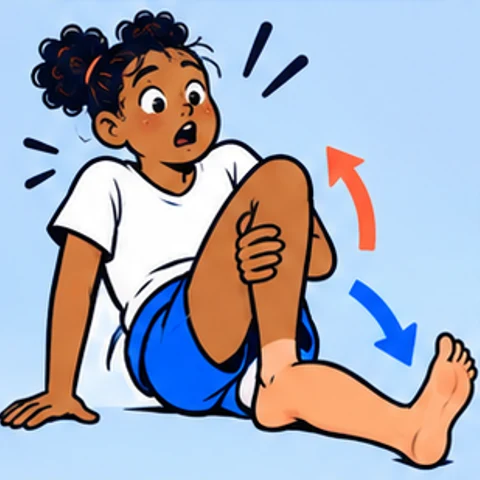
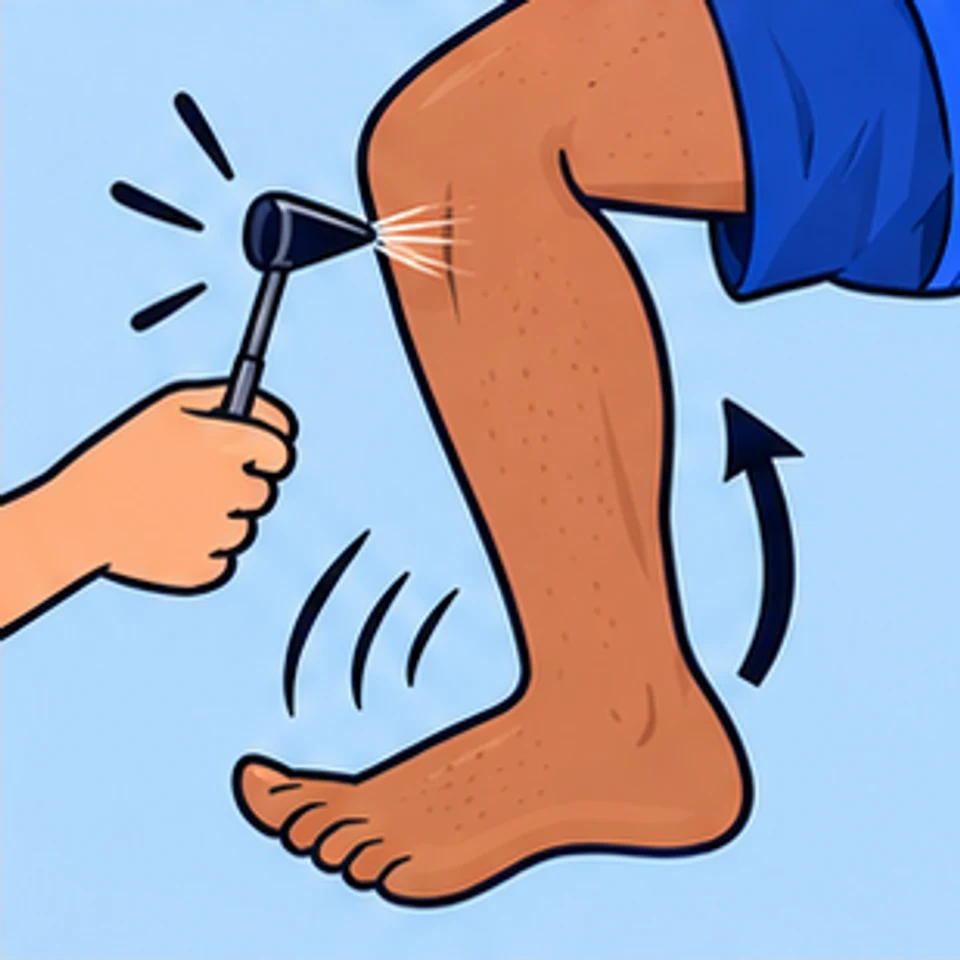
When a muscle is stretched rapidly, it can contract reflexively. In the clinical patellar tendon reflex, this briefly extends the lower leg forward. The reflex helps control muscle length and posture.
Why does it happen?
Muscle spindles detect the stretch and send signals to the spinal cord. There, sensory fibers can directly activate motor neurons of the same muscle; additional circuits inhibit the opposing muscle, and the brain influences reflex strength.
Frequency
The stretch reflex is part of normal nervous-system function. It is not a rare ability; the measured strength of the reflex varies.
Frequency is a qualitative description, not your individual probability.
Is it normal?
Normal reflexes are similar on both sides.
When to seek advice
Reflex strength can only be assessed in an examination context. New weakness, sensory changes, or gait problems should be medically examined.
Does this happen to you?
Your answer is first saved only on this device.
How others answer
Loading results …
No shared answers yet.
Voluntary responses, not representative. One answer per saved browser key and article is counted. Multiple submissions are possible; people are not verified.
Sources (1)
- StatPearls: Neuroanatomy, Spinal Cord Myotatic Reflex (opens a new tab)
Explains muscle spindles and the wiring of the stretch reflex.
Editorial update: . AI-assisted research and editing; not individually reviewed by a physician. How we research