In a nutshell
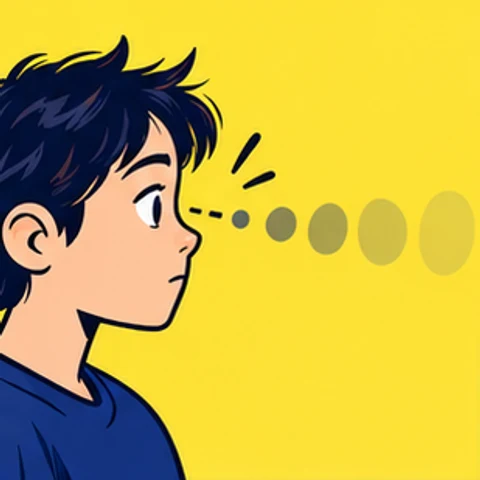
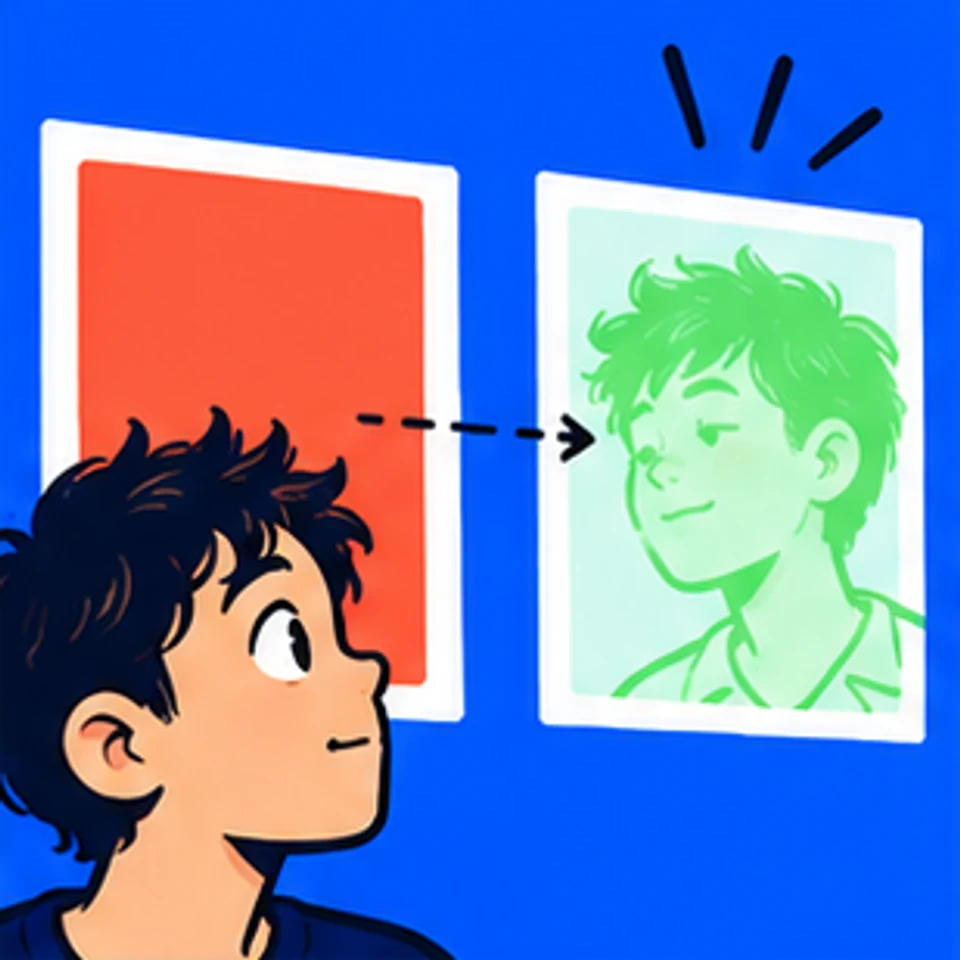
After looking at a vivid color field, an image in a roughly complementary color may appear on a neutral surface. It usually fades quickly although no corresponding colored object remains.
Why does it happen?
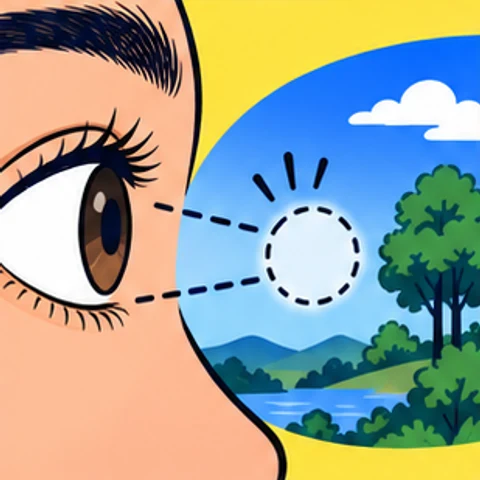
The visual system adapts its response to sustained stimuli. This adaptation affects not only photoreceptors but also downstream retinal cells and processing of color opponency. Once the stimulus ends, activity is temporarily unbalanced, allowing the complementary color to be perceived.
Frequency
Afterimages are a common consequence of visual adaptation. Their strength depends on the preceding image and viewing conditions.
Frequency is a qualitative description, not your individual probability.
Observe it yourself
- Look at a medium-sized red area on paper under normal room lighting for about 15 seconds.
- Then look at a white sheet and observe the brief afterimage. Do not use sunlight, flash photography, or very bright screens.
Stop if uncomfortable. This is not a diagnostic test.
Is it normal?
A brief afterimage matching the preceding stimulus is normal.
When to seek advice
Afterimages without a suitable preceding stimulus or long-lasting recurrent images should be assessed by an eye specialist.
Does this happen to you?
Your answer is first saved only on this device.
How others answer
Loading results …
No shared answers yet.
Voluntary responses, not representative. One answer per saved browser key and article is counted. Multiple submissions are possible; people are not verified.
Sources (1)
- Neural Locus of Color Afterimages (opens a new tab)
Colored afterimages can also arise through adaptation of downstream retinal cells, not only from bleaching of photopigments.
Editorial update: . AI-assisted research and editing; not individually reviewed by a physician. How we research