In a nutshell
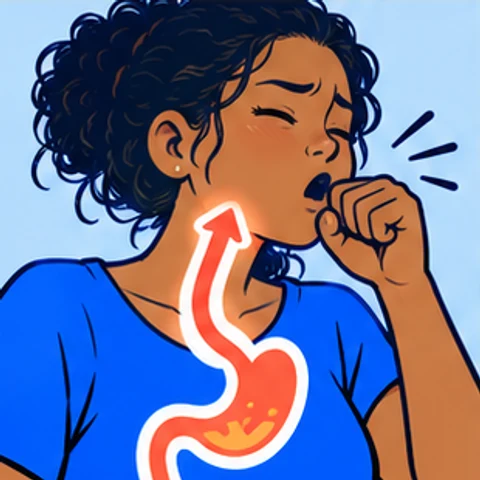
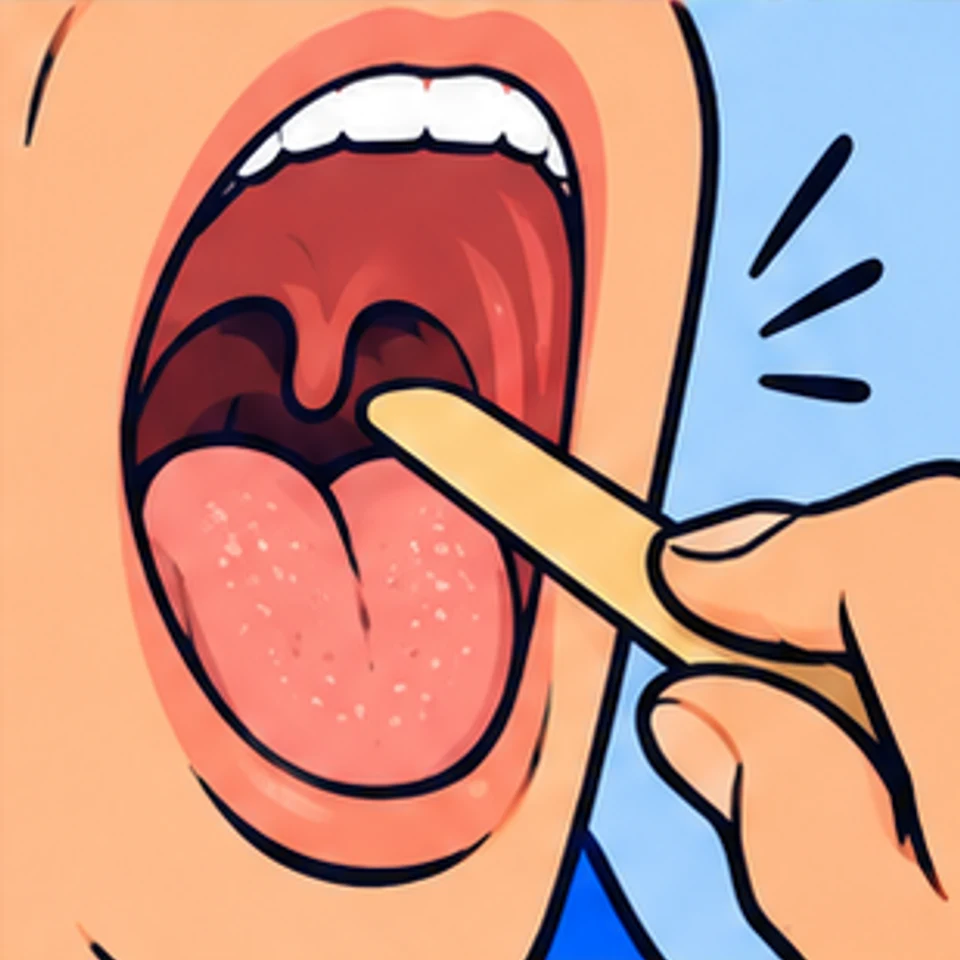
Touching sensitive areas at the back of the mouth or throat can trigger gagging. How readily the reflex responds varies greatly; its absence alone does not prove a swallowing disorder.
Why does it happen?
Sensory signals from the throat travel mainly through the glossopharyngeal nerve to the brainstem. Motor responses reach the throat muscles partly through the vagus nerve. Contraction of the throat serves a protective function but can also be triggered by expectation or fear.
Frequency
The gag reflex is a normal protective response, but it cannot be elicited equally easily in every healthy person. A weak or unobserved reflex alone does not indicate a swallowing disorder.
Frequency is a qualitative description, not your individual probability.
Is it normal?
How readily it can be elicited varies.
When to seek advice
New difficulty swallowing, frequent choking, or a changed voice should be assessed; call emergency services immediately for acute breathing difficulty. Do not test the reflex with objects.
Does this happen to you?
Your answer is first saved only on this device.
How others answer
Loading results …
No shared answers yet.
Voluntary responses, not representative. One answer per saved browser key and article is counted. Multiple submissions are possible; people are not verified.
Sources (1)
- Physiologie des Würgereflexes – StatPearls (opens a new tab)
This source supports the description and physiological context of this entry.
Editorial update: . AI-assisted research and editing; not individually reviewed by a physician. How we research