In a nutshell
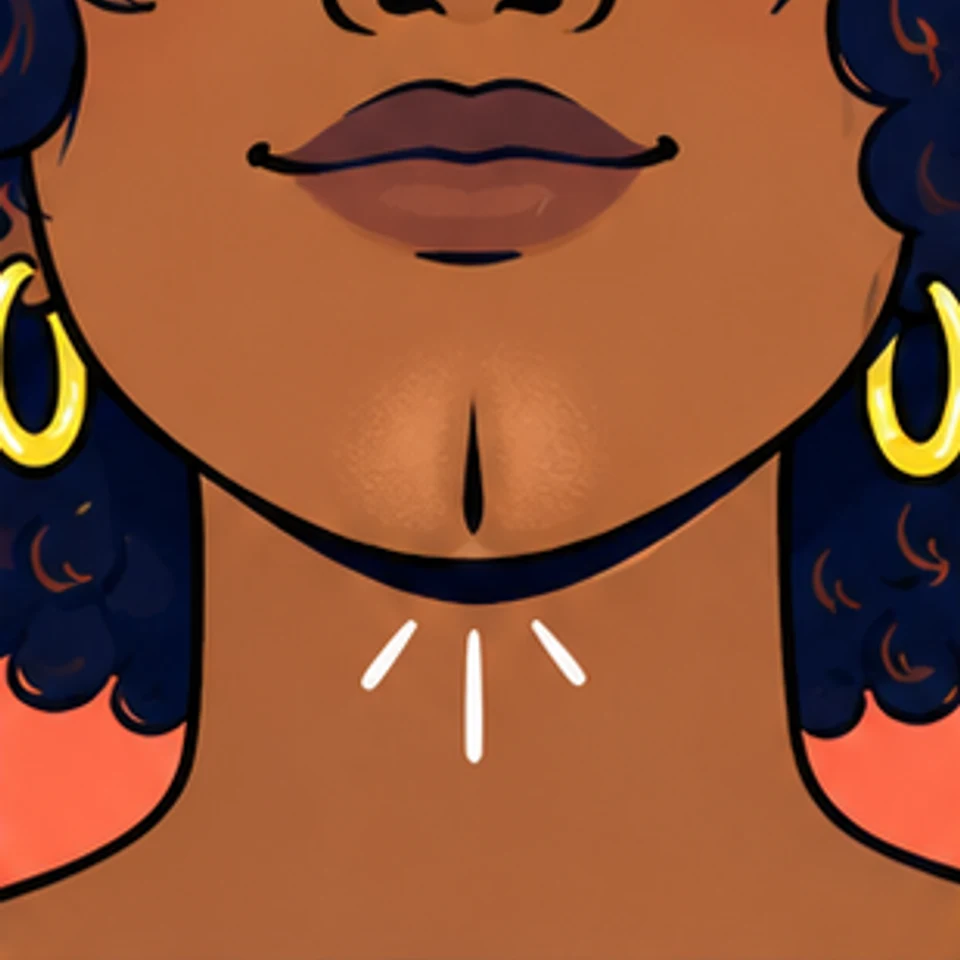
A central indentation in the chin can appear as a short notch, dimple, or longer groove. The transitions between these forms are gradual. A cleft chin is neither a sign of particular character traits nor a useful simple inheritance test.
Why does it happen?
The visible contour results from the individual shape of the chin and its soft tissues. Which factors determine the particular shape is not fully understood; a single dominant “cleft-chin gene” has not been established.
Frequency
Chin shapes blend gradually into one another. A reliable uniform population estimate therefore first depends on what exactly counts as a cleft chin.
Frequency is a qualitative description, not your individual probability.
Is it normal?
If stable and painless, it is normal.
When to seek advice
A newly appearing hard swelling or one-sided change should be examined.
Does this happen to you?
Your answer is first saved only on this device.
How others answer
Loading results …
No shared answers yet.
Voluntary responses, not representative. One answer per saved browser key and article is counted. Multiple submissions are possible; people are not verified.
Sources (1)
- University of Delaware: Myths of Human Genetics – Cleft Chin (opens a new tab)
Discusses variation in form and the limits of a simple Mendelian explanation.
Editorial update: . AI-assisted research and editing; not individually reviewed by a physician. How we research