In a nutshell
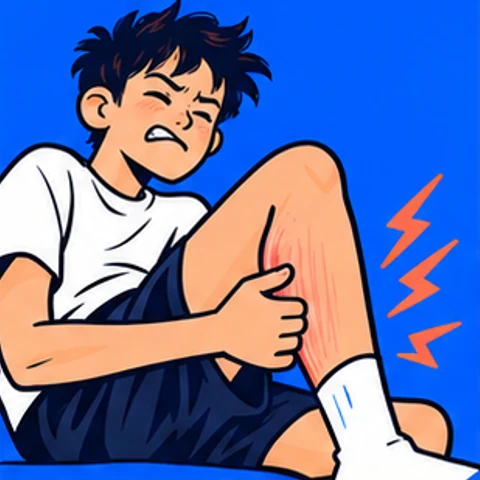
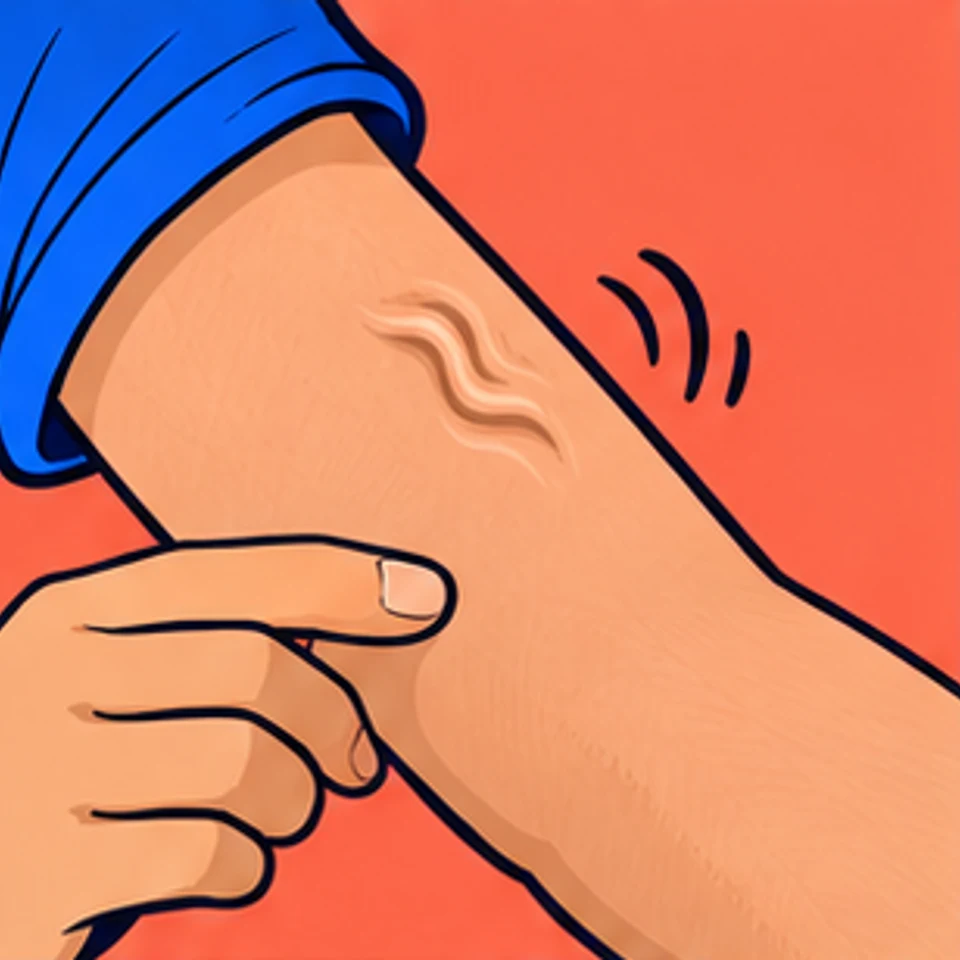
A small section of muscle can twitch briefly under the skin, for example in the calf. This fasciculation does not necessarily move the whole joint. Isolated twitches also occur in healthy people and by themselves do not demonstrate a nerve disorder.
Why does it happen?
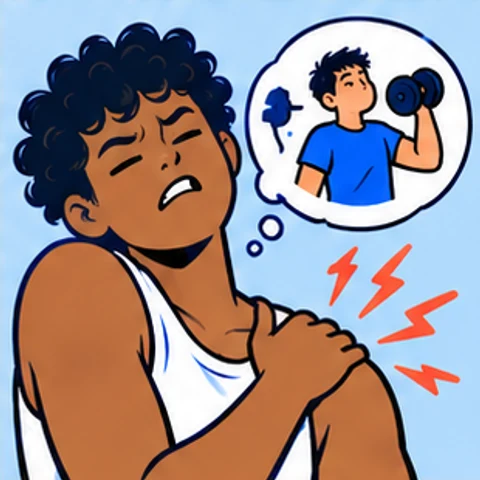
A motor unit, consisting of a nerve cell and the muscle fibers it supplies, discharges spontaneously. Exertion, stress, or lack of sleep can change excitability; the course and accompanying symptoms matter for assessment, especially genuine increasing weakness.
Frequency
Isolated muscle twitches are common even in healthy people. This is not the same as having diagnosed benign fasciculation syndrome.
Frequency is a qualitative description, not your individual probability.
Is it normal?
Brief, local twitching without loss of strength is usually harmless.
When to seek advice
Progressive weakness, muscle wasting, swallowing problems, or breathing problems need urgent assessment.
Does this happen to you?
Your answer is first saved only on this device.
How others answer
Loading results …
No shared answers yet.
Voluntary responses, not representative. One answer per saved browser key and article is counted. Multiple submissions are possible; people are not verified.
Sources (1)
- Cleveland Clinic: Benign Fasciculation Syndrome (opens a new tab)
Describes benign muscle twitches and the importance of accompanying muscle weakness.
Editorial update: . AI-assisted research and editing; not individually reviewed by a physician. How we research