In a nutshell
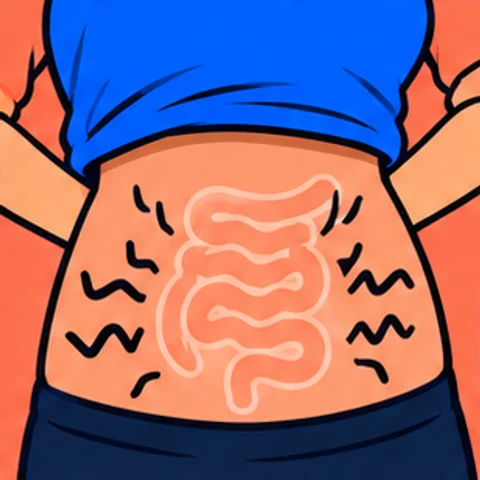
Some intestinal gas comes from swallowed air, and some from the breakdown of food by gut bacteria. Gas escaping through the anus is part of normal digestion.
Why does it happen?
Not fully digested carbohydrates reach the large intestine. Bacteria break them down and produce various gases. Intestinal movements transport the gas onward; it can escape when the anal sphincter opens.
Frequency
Passing intestinal gas is normal and widespread. The number of episodes varies with diet, digestion, and gut flora; a fixed daily target is not meaningful.
Frequency is a qualitative description, not your individual probability.
Is it normal?
Odor and frequency vary widely.
When to seek advice
Have a persistent marked change accompanied by blood in the stool, fever, pain, or weight loss medically assessed.
Does this happen to you?
Your answer is first saved only on this device.
How others answer
Loading results …
No shared answers yet.
Voluntary responses, not representative. One answer per saved browser key and article is counted. Multiple submissions are possible; people are not verified.
Sources (1)
- Gas im Verdauungstrakt – NIDDK (opens a new tab)
The overview describes swallowed air, bacterial gas production, and release through the anus.
Editorial update: . AI-assisted research and editing; not individually reviewed by a physician. How we research