In a nutshell
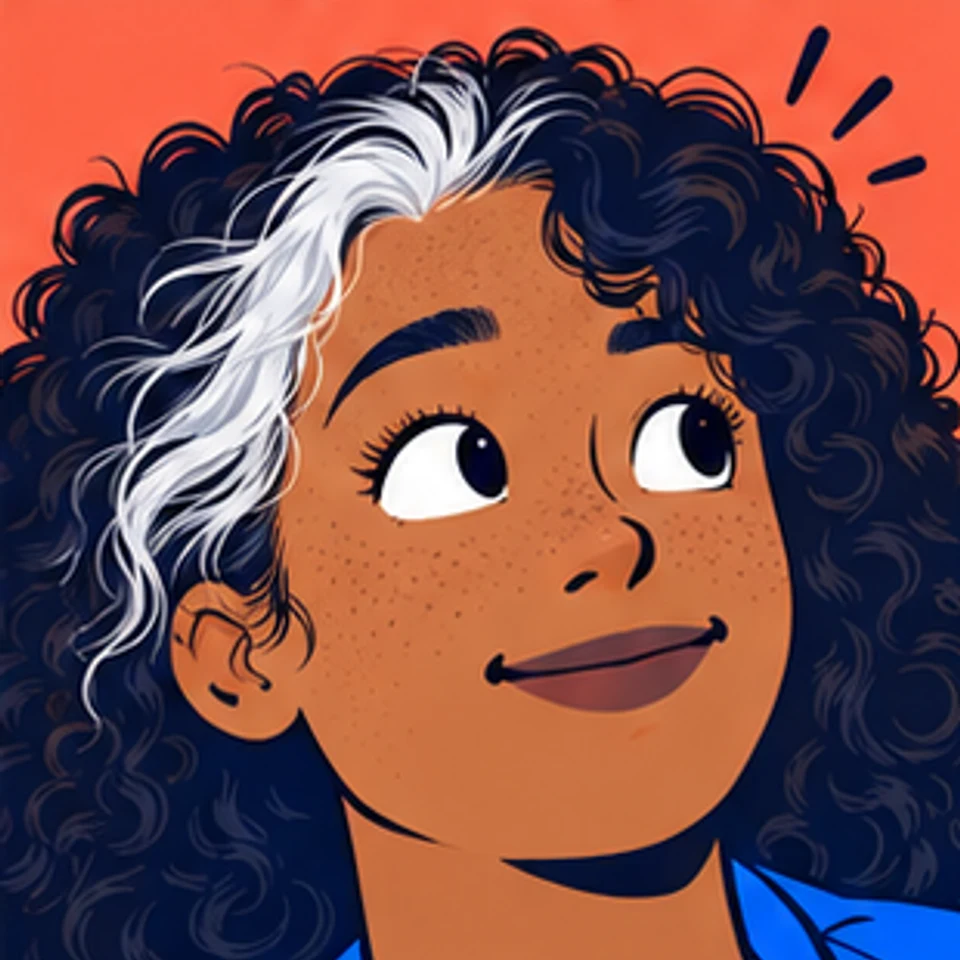
A clearly defined group of hairs can be white while the surrounding hair remains pigmented. It can affect not only scalp hair but also eyebrows or eyelashes. Poliosis describes this appearance and by itself does not indicate a specific disorder.
Why does it happen?
Melanin is absent in the affected hair follicles because pigment cells are absent or do not work sufficiently. The change can be congenital or acquired, for example in connection with local inflammation or a pigment disorder.
Frequency
A clearly defined white section of hair is not a general trait. A reliable population estimate for poliosis across all congenital and acquired causes is unavailable here.
Frequency is a qualitative description, not your individual probability.
Is it normal?
If stable since childhood, it can be harmless.
When to seek advice
New poliosis with skin depigmentation, eye inflammation, or neurological symptoms should be medically assessed.
Does this happen to you?
Your answer is first saved only on this device.
How others answer
Loading results …
No shared answers yet.
Voluntary responses, not representative. One answer per saved browser key and article is counted. Multiple submissions are possible; people are not verified.
Sources (1)
- DermNet: Poliosis (opens a new tab)
Definition, affected hairs, and possible associations.
Editorial update: . AI-assisted research and editing; not individually reviewed by a physician. How we research