In a nutshell
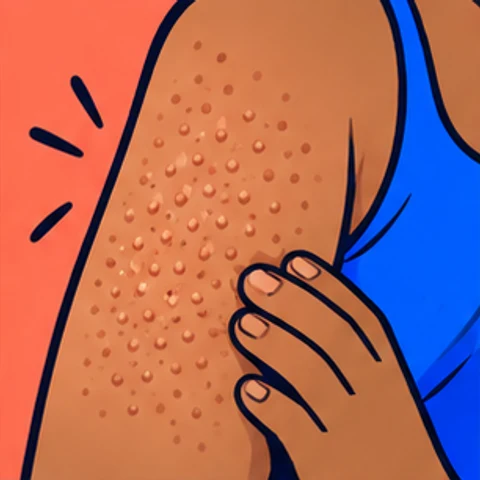
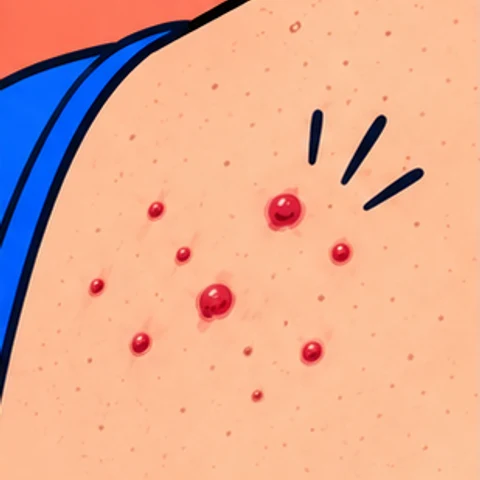
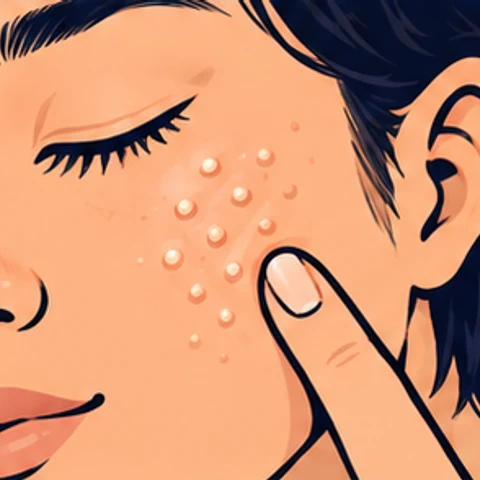
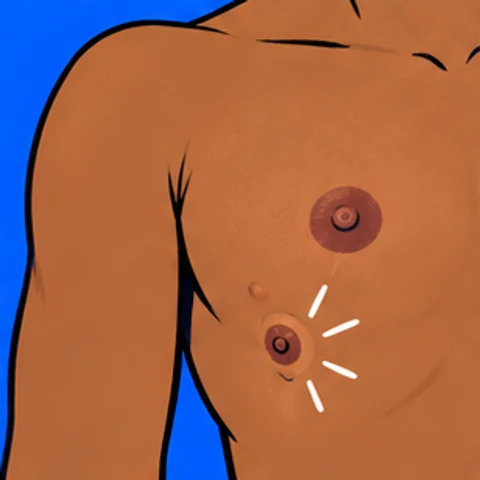
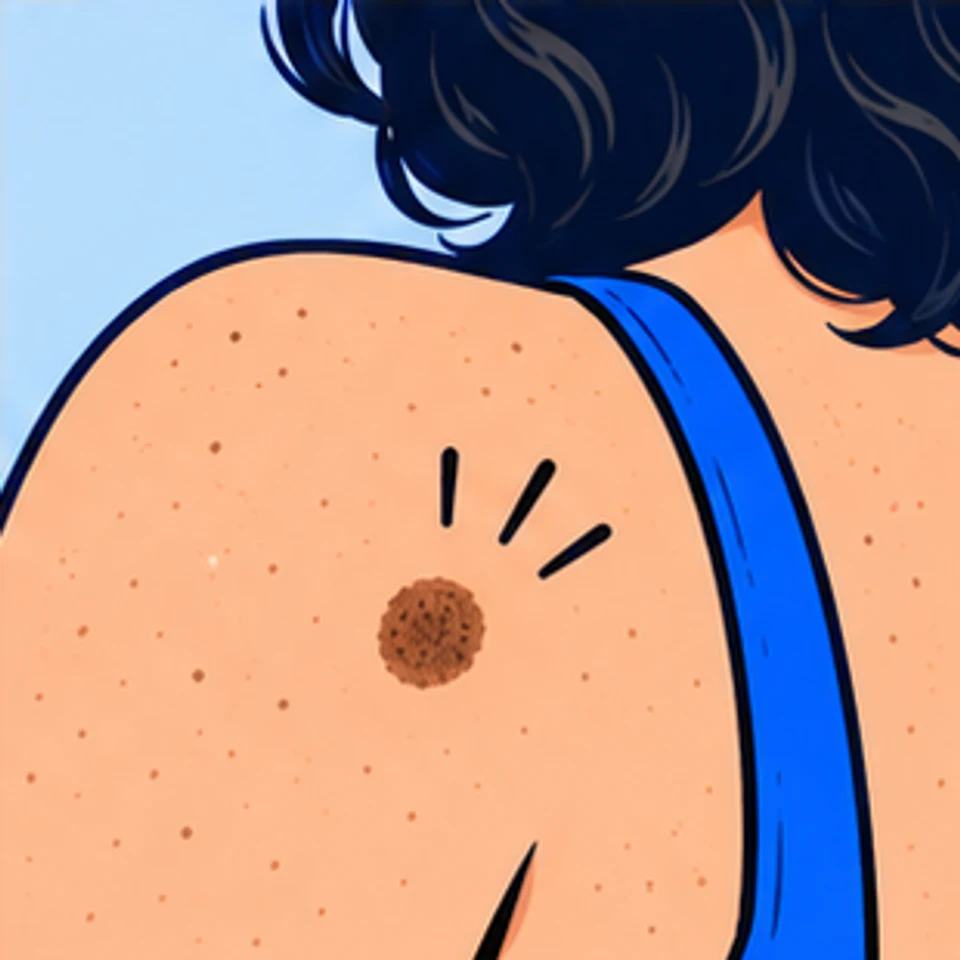
A common pigmented nevus, often called a mole, can be flat or slightly raised. Some are present at birth, while others develop during childhood and adolescence. “Mole” is used more broadly in everyday language; here it specifically refers to pigmented nevi.
Why does it happen?
Pigment-producing cells occur locally in clusters rather than being evenly distributed. This produces color and elevation; appearance and change over time matter more for medical assessment than the mere number of individual spots.
Frequency
Common pigmented nevi are widespread. Their number and appearance change with age and individual factors.
Frequency is a qualitative description, not your individual probability.
Is it normal?
Stability and lack of symptoms suggest a harmless variation.
When to seek advice
Show rapid growth, irregular color, bleeding, or ulceration to a clinician.
Does this happen to you?
Your answer is first saved only on this device.
How others answer
Loading results …
No shared answers yet.
Voluntary responses, not representative. One answer per saved browser key and article is counted. Multiple submissions are possible; people are not verified.
Sources (1)
- National Cancer Institute: Common Moles, Dysplastic Nevi, and Risk of Melanoma (opens a new tab)
Explains clusters of pigment cells and changes that should be assessed.
Editorial update: . AI-assisted research and editing; not individually reviewed by a physician. How we research