In a nutshell
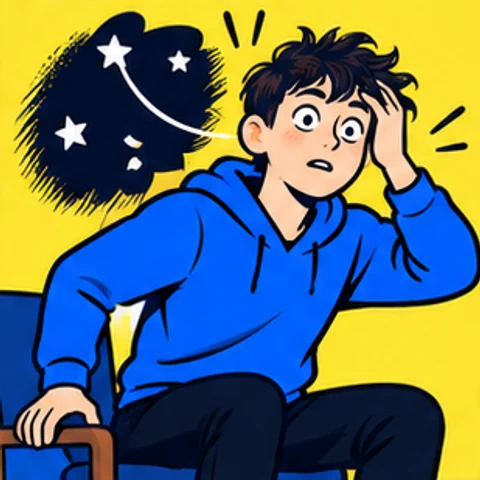
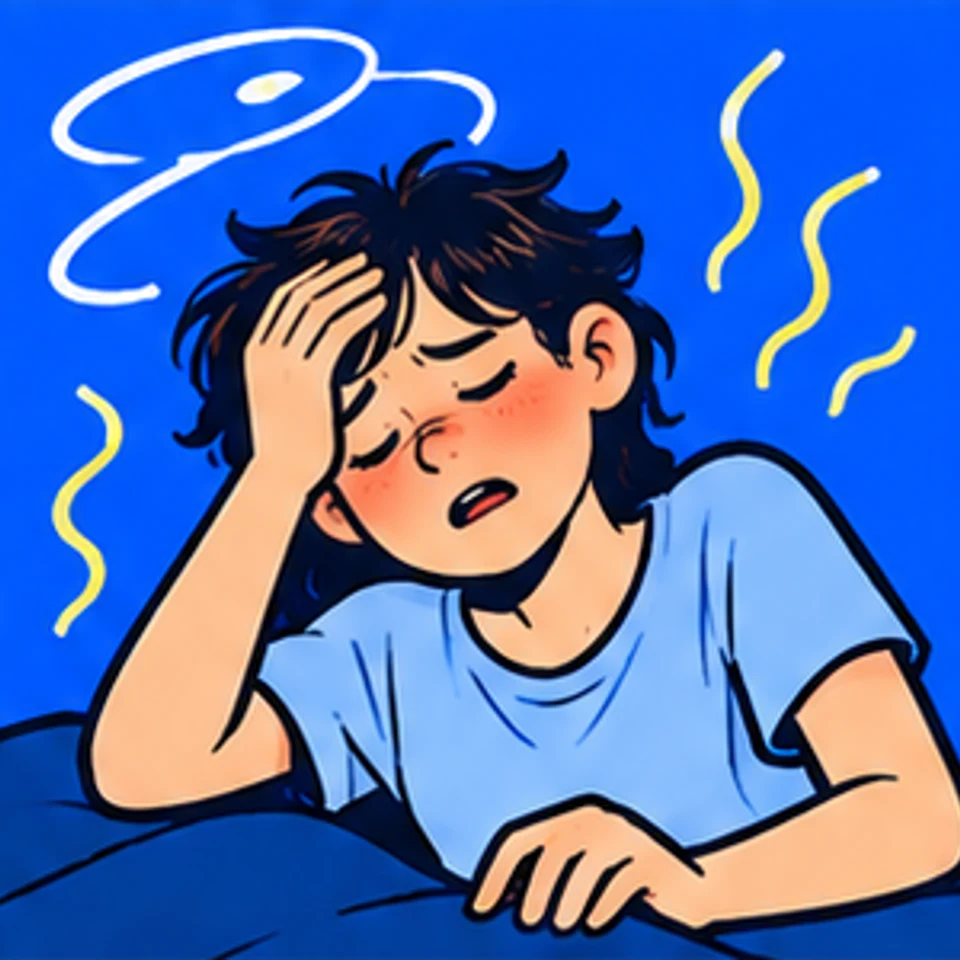
Pain, fear, or prolonged standing can trigger a circulatory reflex with nausea, sweating, and lightheadedness in some people. If blood flow to the brain falls far enough, a brief faint can occur.
Why does it happen?
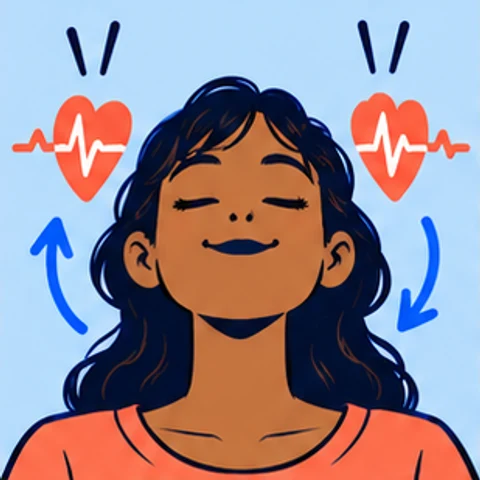
Autonomic circulatory control changes vascular tone and sometimes heart rate. Blood vessels dilate and/or the heart beats more slowly. Blood pressure falls, so temporarily less blood reaches the brain.
Frequency
Vasovagal circulatory reactions occur in the population, but individual susceptibility differs greatly. Near-fainting, a single faint, and recurrent syncope should be counted separately.
Frequency is a qualitative description, not your individual probability.
Is it normal?
Lie down immediately at warning signs to avoid a fall; new fainting should be medically assessed.
When to seek advice
Fainting during exertion, with chest pain, shortness of breath, injury, or failure to recover quickly: call emergency services. Do not provoke it by holding your breath or straining.
Does this happen to you?
Your answer is first saved only on this device.
How others answer
Loading results …
No shared answers yet.
Voluntary responses, not representative. One answer per saved browser key and article is counted. Multiple submissions are possible; people are not verified.
Sources (1)
- Vasovagale Episode – StatPearls (opens a new tab)
The overview describes triggers, blood-pressure drop, and possible slowing of heart rate in reflex syncope.
Editorial update: . AI-assisted research and editing; not individually reviewed by a physician. How we research