In a nutshell
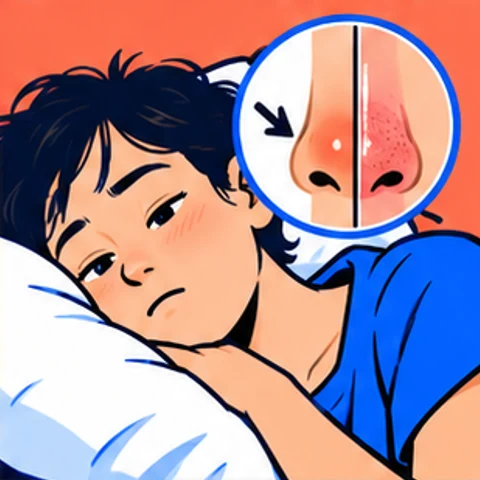
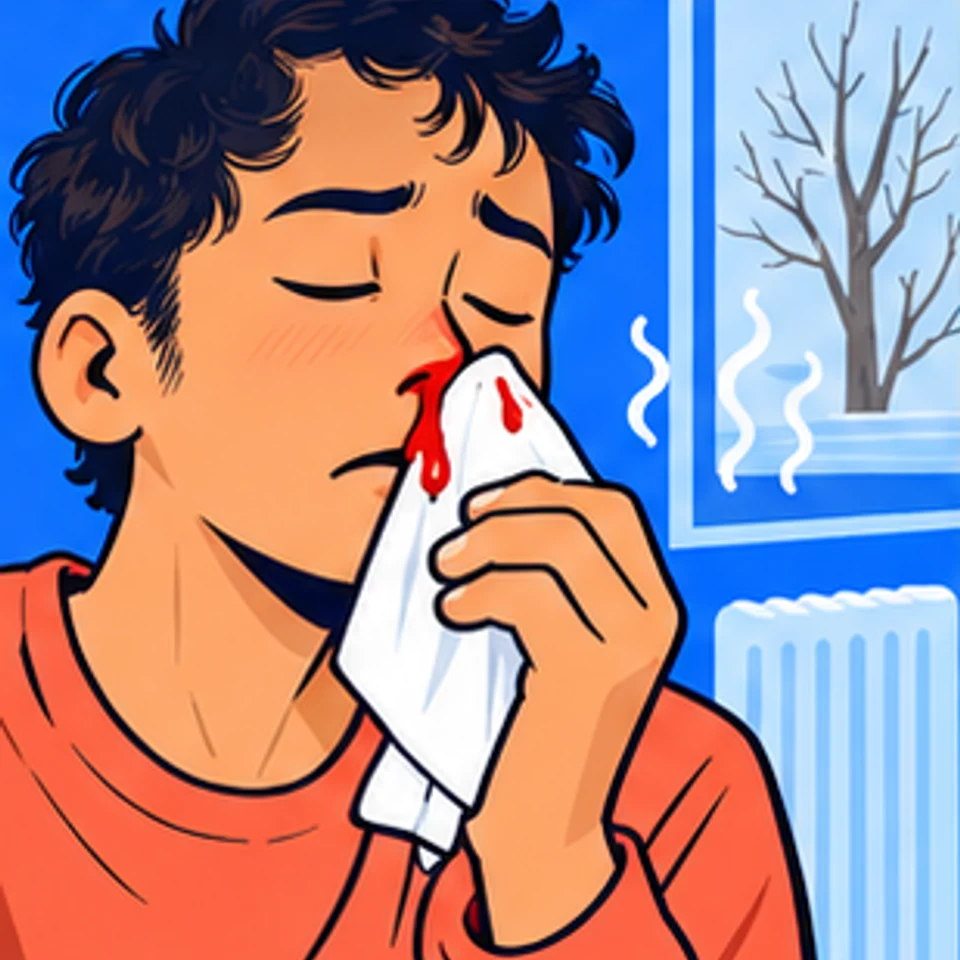
Dry air can make the nasal mucosa brittle and contribute to small bleeds. The blood often comes from superficial vessels in the front part of the nasal septum.
Why does it happen?
The mucosa loses moisture and forms crusts more easily. Rubbing, blowing the nose, or small tears can open vessels close to the surface. Because the nose has a good blood supply, even a small injured area can bleed noticeably.
Frequency
Nosebleeds are common, but the share of cases caused by dry air alone cannot reliably be given as a general rate. Climate and mucosal condition affect their occurrence.
Frequency is a qualitative description, not your individual probability.
Is it normal?
Small bleeds often stop with continuous pressure on the soft part of the nose; sit upright and lean slightly forward.
When to seek advice
Heavy bleeding, circulatory problems, breathing problems, or bleeding after a major injury need immediate help. If bleeding continues despite 15–20 minutes of continuous pressure, seek urgent medical assessment.
Does this happen to you?
Your answer is first saved only on this device.
How others answer
Loading results …
No shared answers yet.
Voluntary responses, not representative. One answer per saved browser key and article is counted. Multiple submissions are possible; people are not verified.
Sources (1)
- Nasenbluten: Ursachen, Behandlung und Vorbeugung (opens a new tab)
The patient information describes dry mucosa as a trigger as well as first measures and warning signs.
Editorial update: . AI-assisted research and editing; not individually reviewed by a physician. How we research