In a nutshell
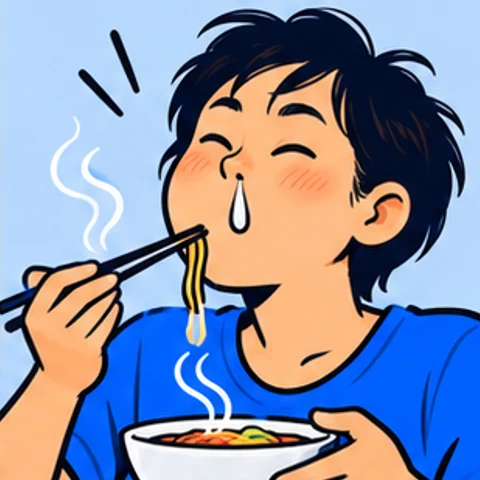
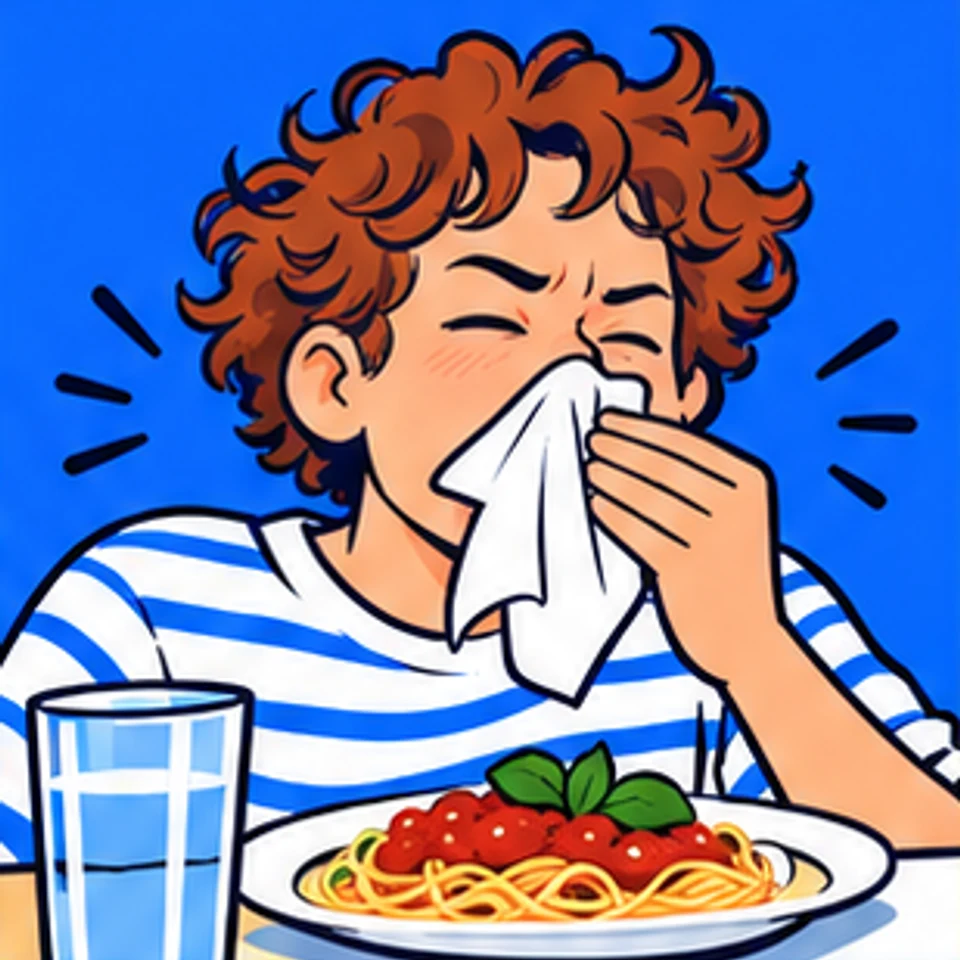
Rarely, people report sneezing fits after a substantial meal. This pattern, called snatiation, has been researched only to a limited extent and should not automatically be equated with a food allergy.
Why does it happen?
Early family reports describe sneezing associated with pronounced stomach fullness. They suggest a possible hereditary component in individual families. Which sensor and neural circuit trigger the urge to sneeze is not established.
Frequency
Sneezing fits with pronounced fullness are described but have been studied only to a limited extent. A reliable population rate is unavailable.
Frequency is a qualitative description, not your individual probability.
Is it normal?
Brief episodes without signs of illness are usually harmless.
When to seek advice
Shortness of breath, hives, tongue swelling, or circulatory problems after eating can indicate a severe allergy: call emergency services.
Does this happen to you?
Your answer is first saved only on this device.
How others answer
Loading results …
No shared answers yet.
Voluntary responses, not representative. One answer per saved browser key and article is counted. Multiple submissions are possible; people are not verified.
Sources (1)
- Autosomal-dominantes Niesen bei Magenfülle: der Snatiation-Reflex (opens a new tab)
The family report documents sneezing triggered by stomach fullness; it does not establish a confirmed mechanism.
Editorial update: . AI-assisted research and editing; not individually reviewed by a physician. How we research