In a nutshell
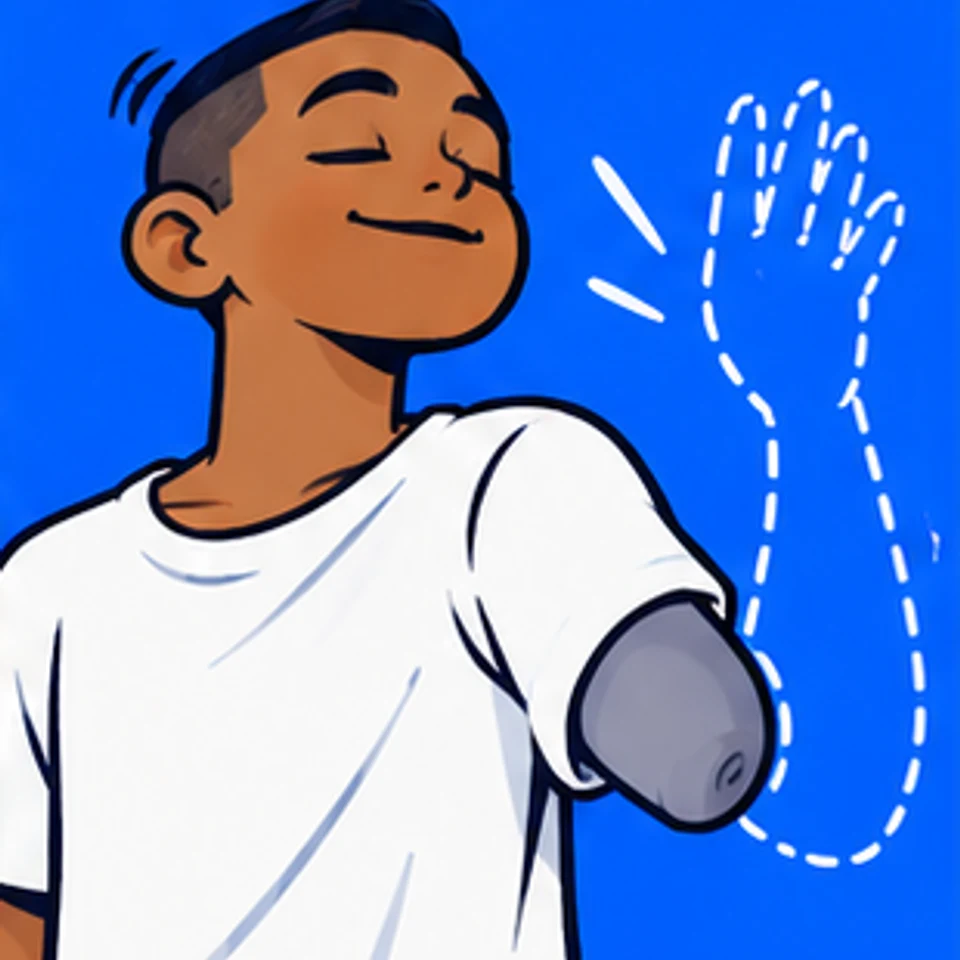
After an amputation, the missing body part may continue to feel present. This sensation can be painless; phantom pain is a related but distinct phenomenon.
Why does it happen?
The nervous system’s representation of the body does not simply disappear after an amputation. Altered signals from peripheral nerves and changes in the spinal cord and brain networks can contribute to phantom sensations. A simple shift of the cortical body map does not explain every observation, especially not every form of phantom pain.
Frequency
Phantom sensations are common after amputation. This statement applies to people after limb loss, not to the general population; painful and non-painful sensations must be distinguished.
Frequency is a qualitative description, not your individual probability.
Is it normal?
These are real sensations generated by the nervous system, not something imagined.
When to seek advice
Distressing phantom pain should be treated; new residual-limb pain, redness, or wound problems need a separate examination.
Does this happen to you?
Your answer is first saved only on this device.
How others answer
Loading results …
No shared answers yet.
Voluntary responses, not representative. One answer per saved browser key and article is counted. Multiple submissions are possible; people are not verified.
Sources (1)
- Phantom Limb Pain: Mechanisms and Treatment Approaches (opens a new tab)
This source supports the description and physiological context of this entry.
Editorial update: . AI-assisted research and editing; not individually reviewed by a physician. How we research