In a nutshell
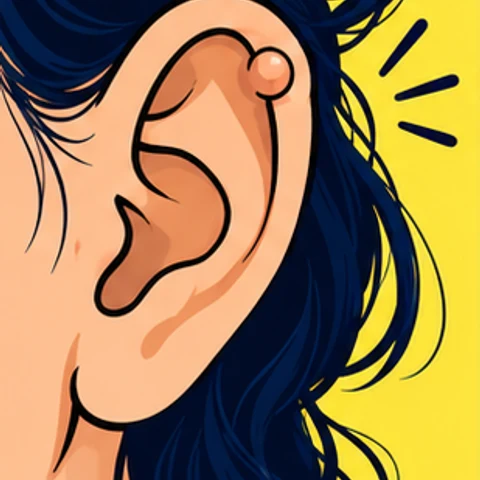
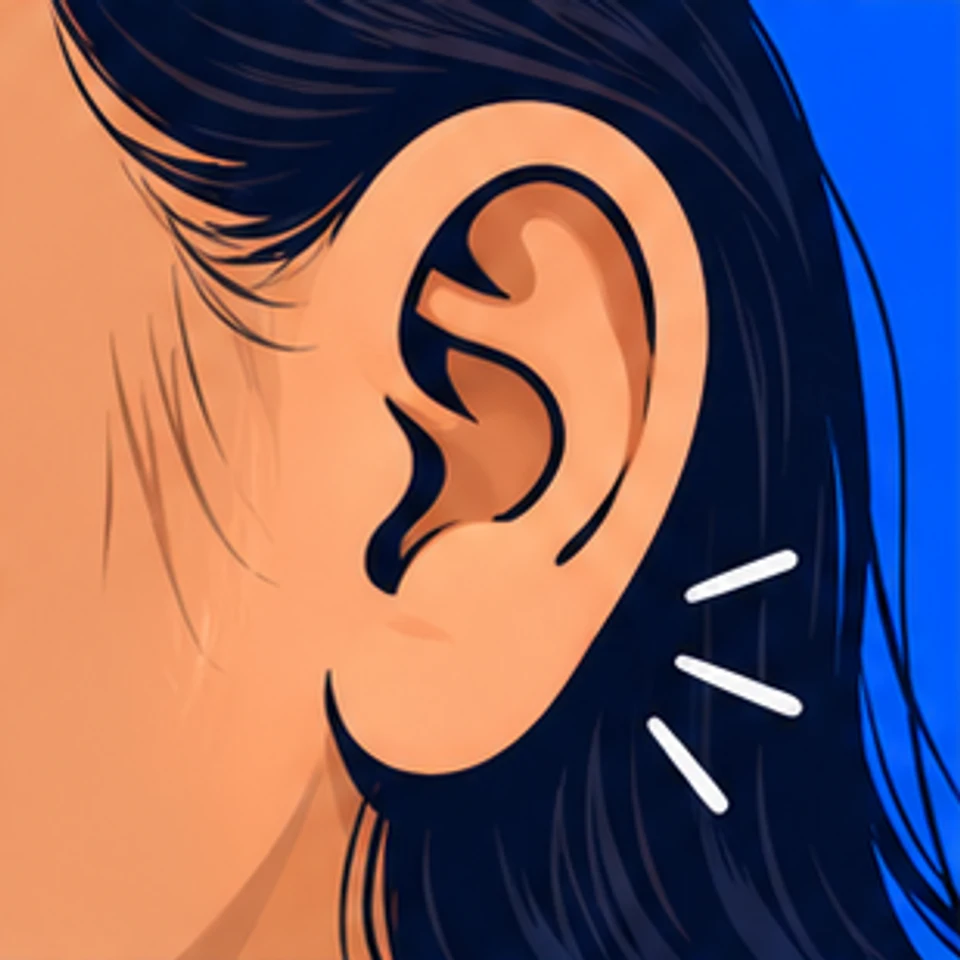
Earlobes may hang freely, attach broadly to the cheek, or take an intermediate form. Their size and shape can also differ between the two sides. The classic division into only “free” and “attached” oversimplifies a continuous range of variation.
Why does it happen?
Unlike the upper part of the outer ear, the earlobe contains no cartilage, but mainly skin, fat, and connective tissue. How this soft tissue connects to the cheek determines the visible attachment.
Frequency
Free, broadly attached, and intermediate earlobe forms all occur. Their proportions differ between populations and depend on the classification used.
Frequency is a qualitative description, not your individual probability.
Is it normal?
An appearance present since birth is normal.
When to seek advice
Pain, redness, or a newly hardened attachment should be examined.
Does this happen to you?
Your answer is first saved only on this device.
How others answer
Loading results …
No shared answers yet.
Voluntary responses, not representative. One answer per saved browser key and article is counted. Multiple submissions are possible; people are not verified.
Sources (2)
- NIH: Elements of Morphology – Anatomy of the Ear (opens a new tab)
Describes the structure and forms of the outer ear, including the earlobe.
- StatPearls: Anatomy, Head and Neck, Ear (opens a new tab)
Describes the cartilage-free earlobe made of skin, fat, and connective tissue.
Editorial update: . AI-assisted research and editing; not individually reviewed by a physician. How we research