In a nutshell
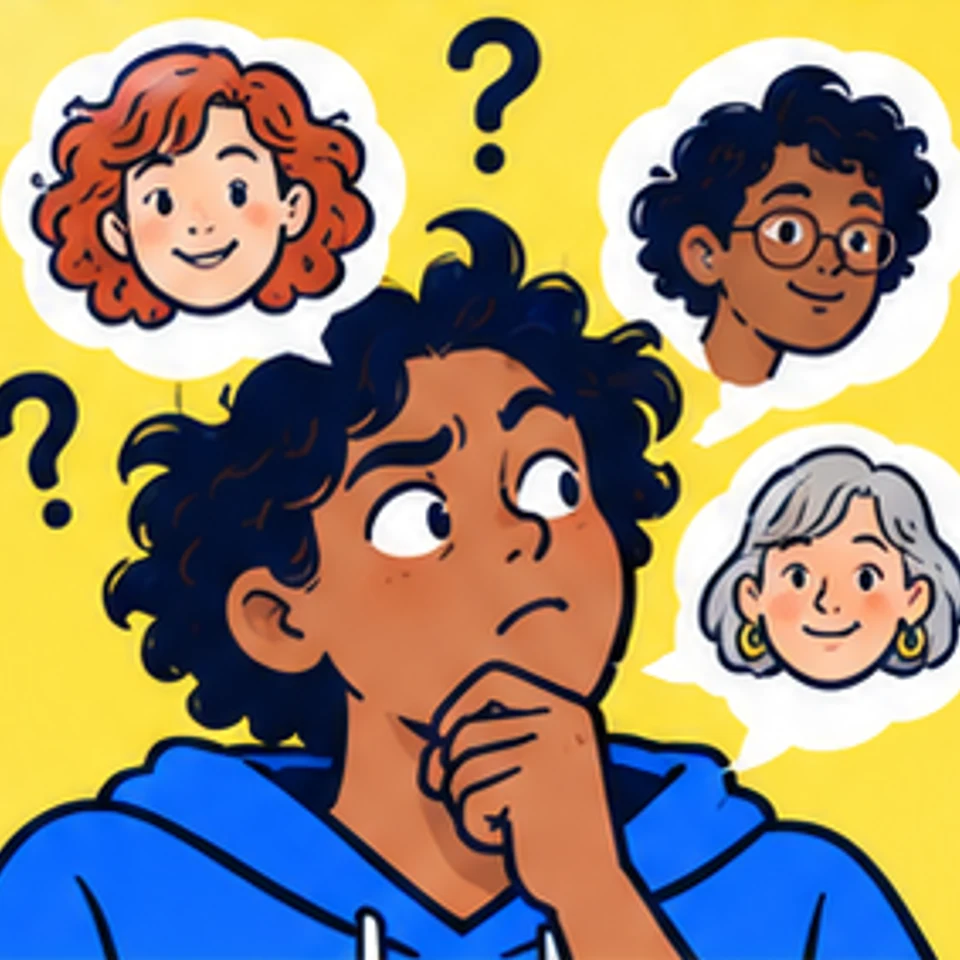
People with prosopagnosia have great difficulty recognizing familiar people from their faces, or cannot do so at all. Voice, gait, or hairstyle may help even though visual acuity itself is normal.
Why does it happen?
A distributed network, mainly in occipital and temporal brain regions, works together to process facial identity. Acquired damage or a developmental difference in this network can impair recognition. Different subprocesses may be affected, so not everyone shows the same pattern of difficulty.
Frequency
Face blindness affects a minority of people and may be developmental or acquired. Its measured prevalence depends on the definition and diagnostic method.
Frequency is a qualitative description, not your individual probability.
Is it normal?
It can persist throughout life and substantially affect daily life; it is not rudeness.
When to seek advice
Sudden new loss of face recognition requires urgent assessment; lifelong difficulties can be evaluated with targeted neuropsychological testing.
Does this happen to you?
Your answer is first saved only on this device.
How others answer
Loading results …
No shared answers yet.
Voluntary responses, not representative. One answer per saved browser key and article is counted. Multiple submissions are possible; people are not verified.
Sources (1)
- Prosopagnosia: current perspectives (opens a new tab)
This source supports the description and physiological context of this entry.
Editorial update: . AI-assisted research and editing; not individually reviewed by a physician. How we research