In a nutshell
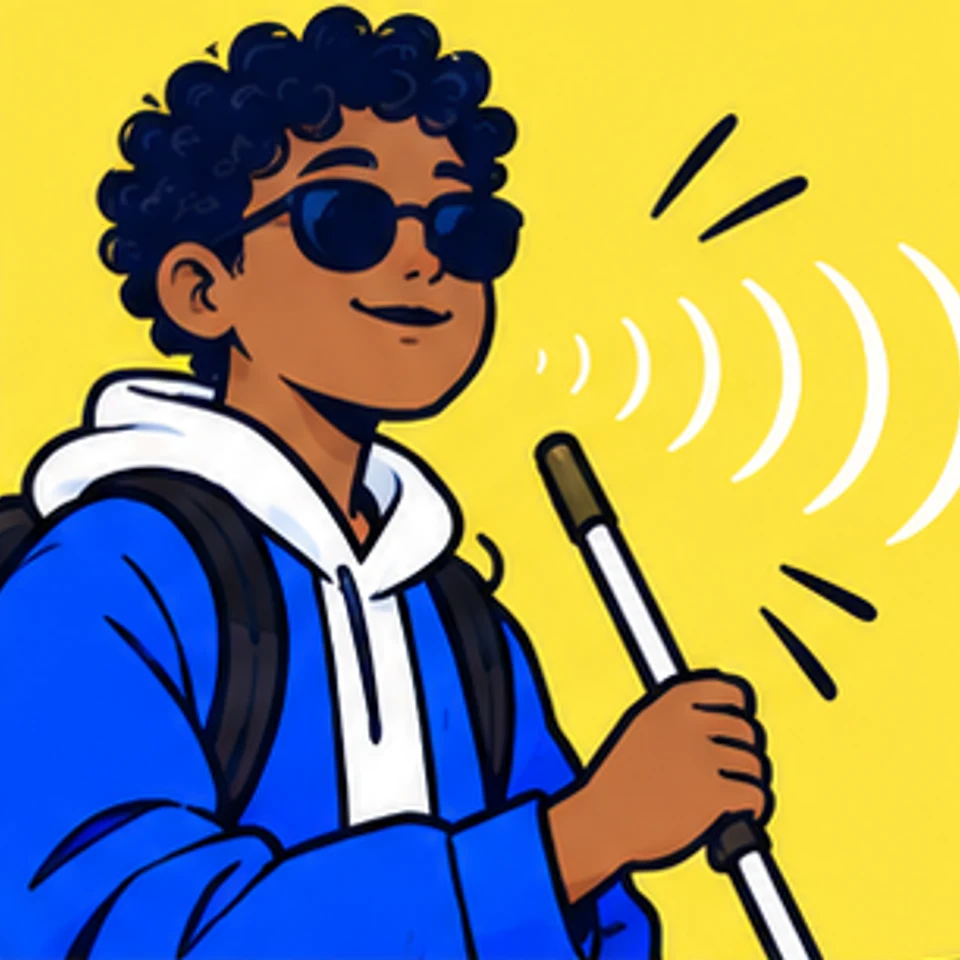
With practice, people can use self-generated clicks and their echoes to obtain information about nearby objects. Some blind people use this as an additional aid to orientation.
Why does it happen?
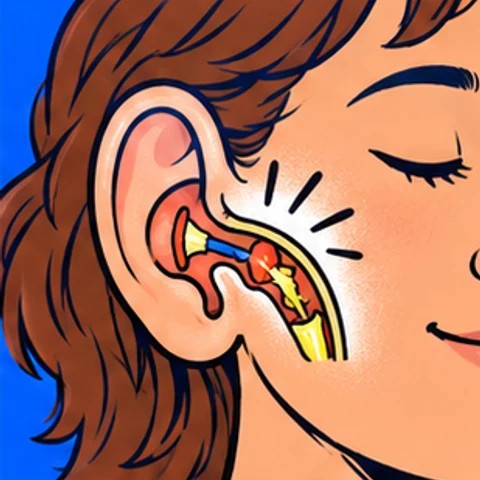
Surfaces change the returning sound according to their distance, direction, and characteristics. With experience, the auditory system can evaluate these differences more precisely. In a small study of two blind experts, brain regions ordinarily used for vision also responded to echo components; this does not establish identical processing in every learner.
Frequency
Advanced human echolocation has mainly been studied in trained individuals. This does not provide a reliable population prevalence; basic capacity to learn and everyday expertise are different things.
Frequency is a qualitative description, not your individual probability.
Is it normal?
A learned sensory skill, not supernatural perception.
When to seek advice
There is no specific medical warning sign; echolocation is not a substitute for safe mobility training.
Does this happen to you?
Your answer is first saved only on this device.
How others answer
Loading results …
No shared answers yet.
Voluntary responses, not representative. One answer per saved browser key and article is counted. Multiple submissions are possible; people are not verified.
Sources (1)
- Neural Correlates of Natural Human Echolocation in Early and Late Blind Echolocation Experts (opens a new tab)
This source supports the description and physiological context of this entry.
Editorial update: . AI-assisted research and editing; not individually reviewed by a physician. How we research