In a nutshell
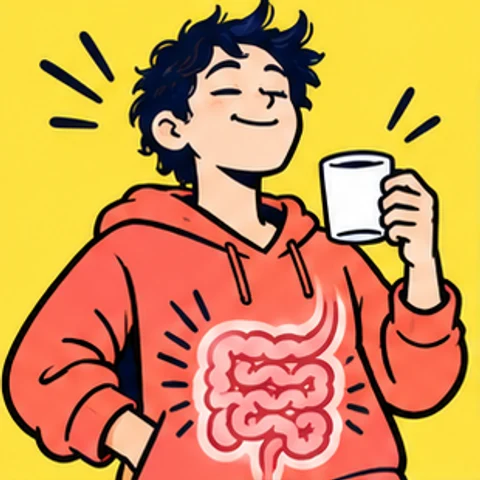
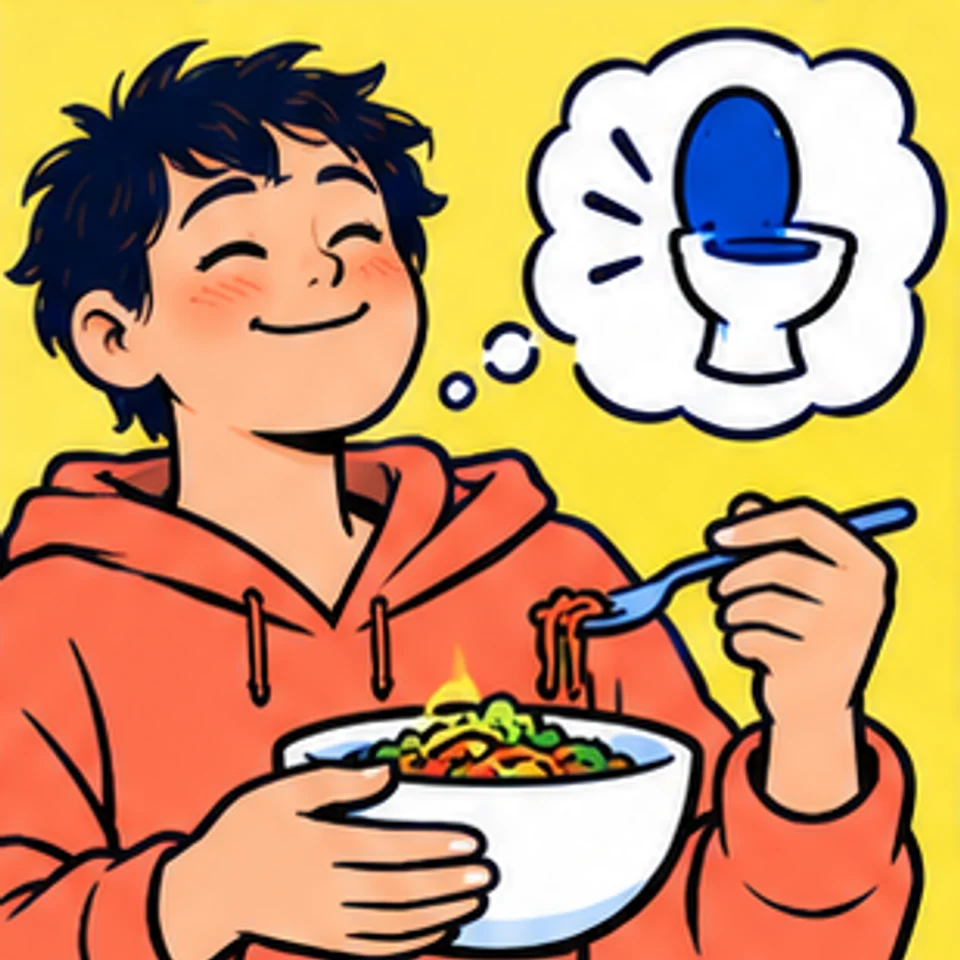
The urge to have a bowel movement shortly after a meal does not mean the food just eaten has already passed through the entire intestine. Rather, the meal can stimulate movement of content already in the large intestine.
Why does it happen?
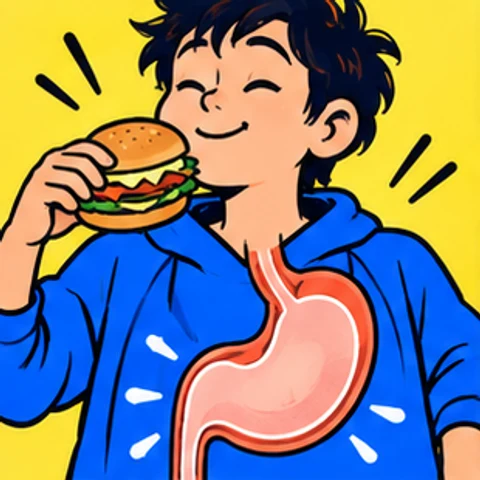
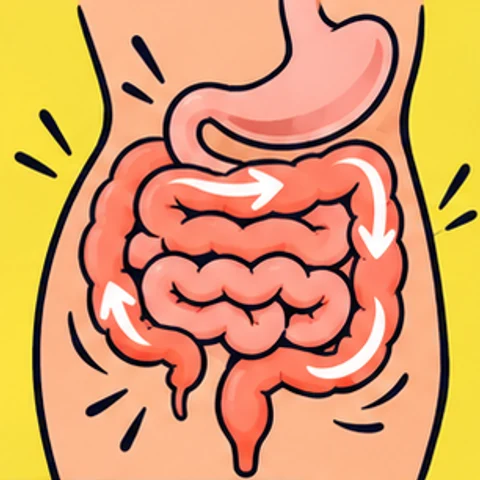
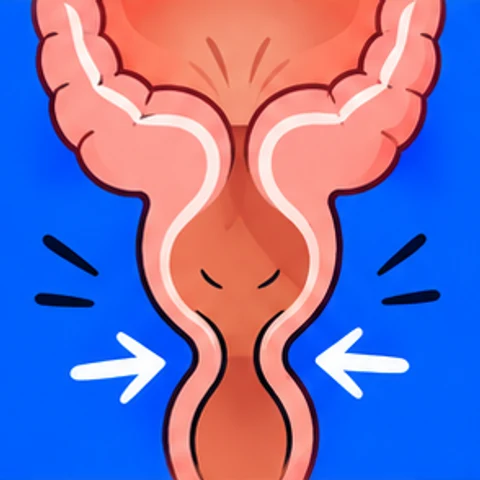
Filling and nutrients in the upper digestive tract send a signal after eating. Neural and hormonal pathways then increase activity in the large intestine. Powerful propulsive movements can move stool toward the rectum and trigger the urge to defecate.
Frequency
The gastrocolic reflex is part of normal digestive regulation. Not everyone notices the urge to pass stool equally clearly after a meal.
Frequency is a qualitative description, not your individual probability.
Is it normal?
The urge to pass stool after eating can be normal.
When to seek advice
Have persistent diarrhea, severe cramping, blood in the stool, or weight loss medically assessed.
Does this happen to you?
Your answer is first saved only on this device.
How others answer
Loading results …
No shared answers yet.
Voluntary responses, not representative. One answer per saved browser key and article is counted. Multiple submissions are possible; people are not verified.
Sources (1)
- Physiologie des gastro-kolischen Reflexes – StatPearls (opens a new tab)
The reflex increases colonic motility after food intake.
Editorial update: . AI-assisted research and editing; not individually reviewed by a physician. How we research