In a nutshell
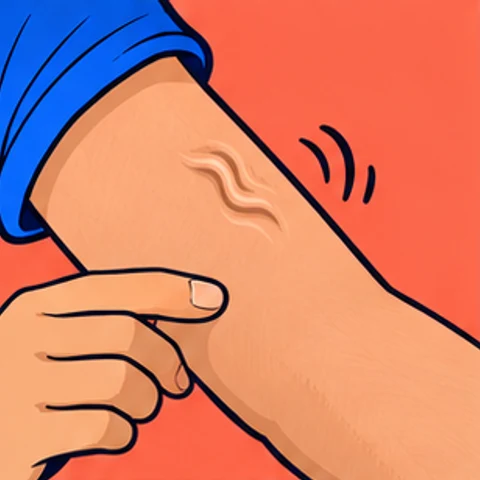
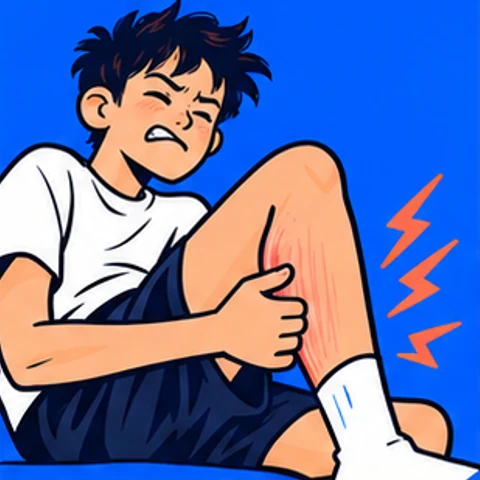
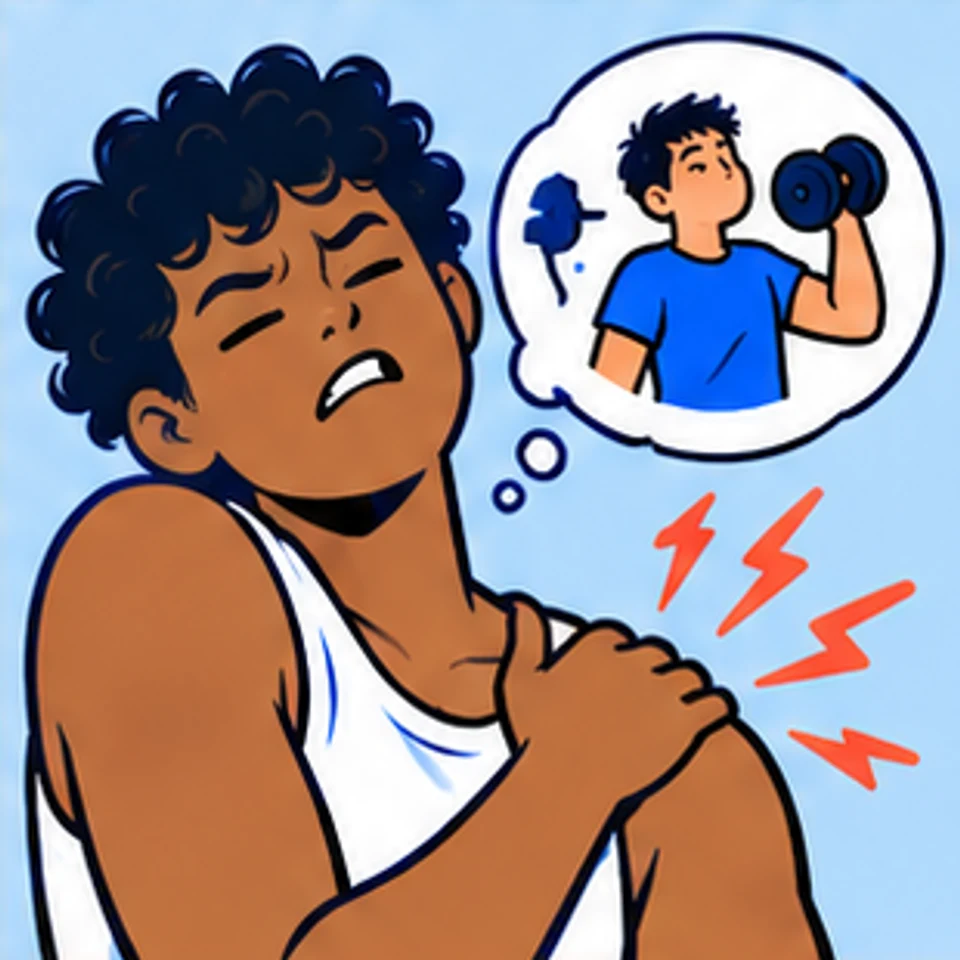
After unfamiliar exertion, muscles often do not start hurting until the next day. It is particularly typical after movements in which a loaded muscle lengthens, such as walking downhill. The pain usually fades within a few days.
Why does it happen?
Mechanical strain causes small changes in muscle fibers and surrounding tissue, followed by inflammatory and repair processes. These sensitize pain fibers; leftover lactic acid does not explain delayed muscle soreness.
Frequency
Delayed muscle soreness after unfamiliar exertion is widespread. How often it occurs depends more on the exertion than on a fixed personal trait.
Frequency is a qualitative description, not your individual probability.
Is it normal?
Temporary exertional pain in the worked muscles is typical; the two sides need not be affected equally.
When to seek advice
Dark urine, extreme swelling, severe weakness, or unexpectedly intense pain are emergency signs.
Does this happen to you?
Your answer is first saved only on this device.
How others answer
Loading results …
No shared answers yet.
Voluntary responses, not representative. One answer per saved browser key and article is counted. Multiple submissions are possible; people are not verified.
Sources (1)
- Cleveland Clinic: Delayed Onset Muscle Soreness (opens a new tab)
Explains delayed exercise soreness and distinguishes it from acute injury.
Editorial update: . AI-assisted research and editing; not individually reviewed by a physician. How we research