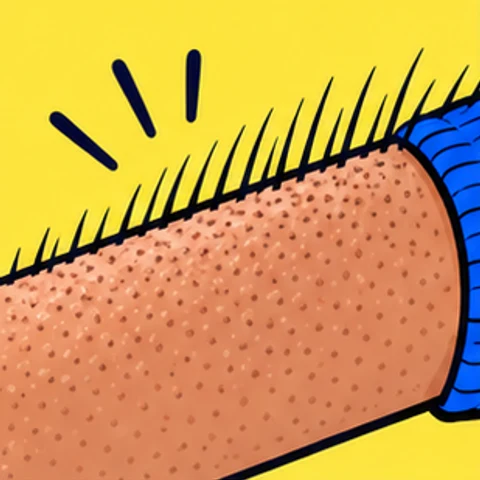
 Skin & Hair · Involuntary response
Goosebumps
Raised hair follicles in response to cold or emotion.
Frequency: CommonSkin & Hair · Involuntary responseRaised hair follicles in response to cold or emotion.
Frequency: Common Brain · Involuntary response
A short passage of melody continues internally without a conscious decision.
Frequency: Common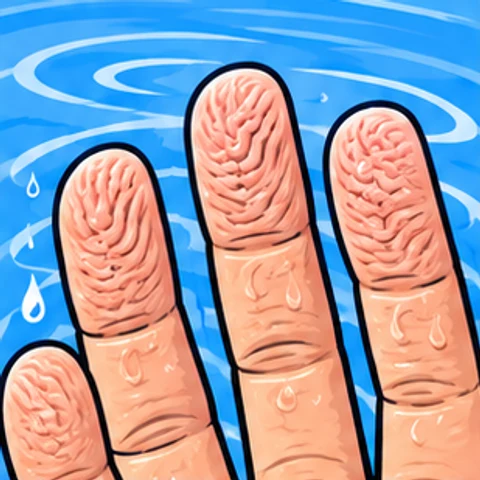 Skin & Hair · Involuntary response
Finger skin wrinkles after prolonged contact with water.
Frequency: Common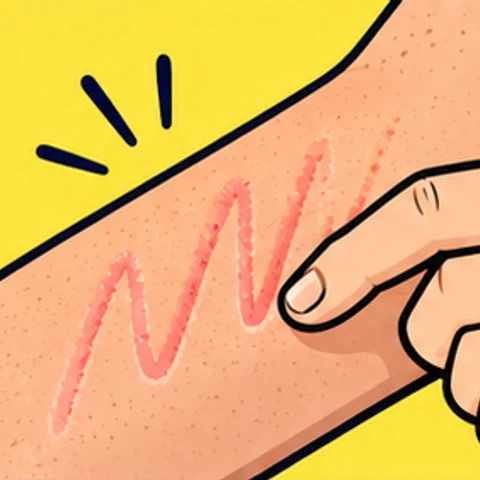 Skin & Hair · Involuntary response
Light scratching pressure produces temporary raised lines.
Frequency: Varies by individual Skin & Hair · Involuntary response
Feeling observed or embarrassed can suddenly redden the face.
Frequency: Common Nerves · Involuntary response
When falling asleep or waking, REM-related muscle inhibition briefly persists despite awareness.
Frequency: Varies by individual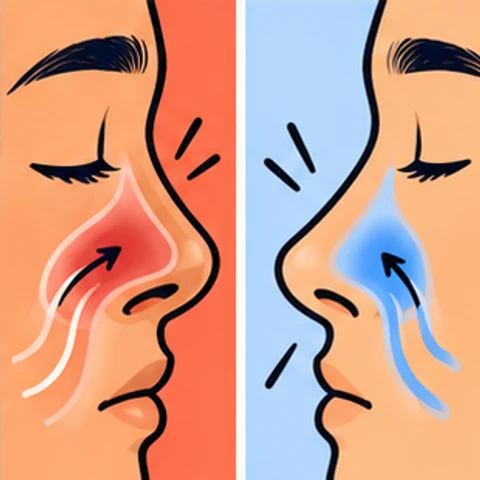 Nose · Involuntary response
The nasal turbinates alternate rhythmically between greater and lesser blood flow.
Frequency: Common Mouth & Throat · Involuntary response
The face or head sweats while eating.
Frequency: Varies by individual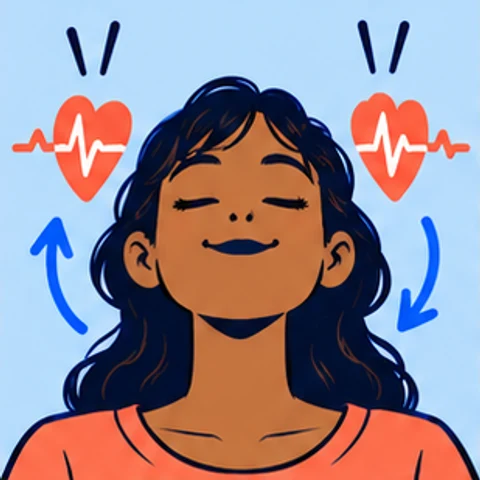 Heart & Circulation · Involuntary response
The pulse becomes slightly faster when inhaling and slower when exhaling.
Frequency: Common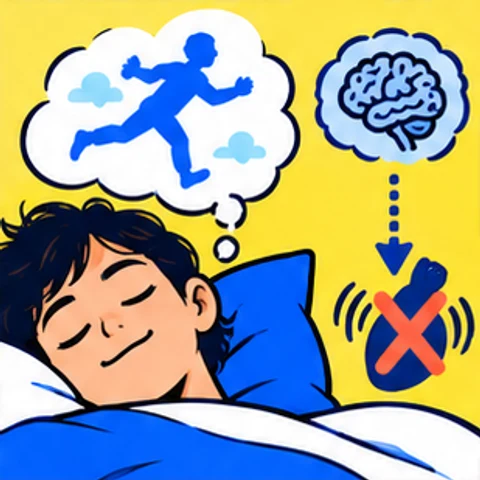 Nerves · Involuntary response
During REM sleep, a brainstem network suppresses skeletal muscles and usually prevents acting out dreams.
Frequency: Common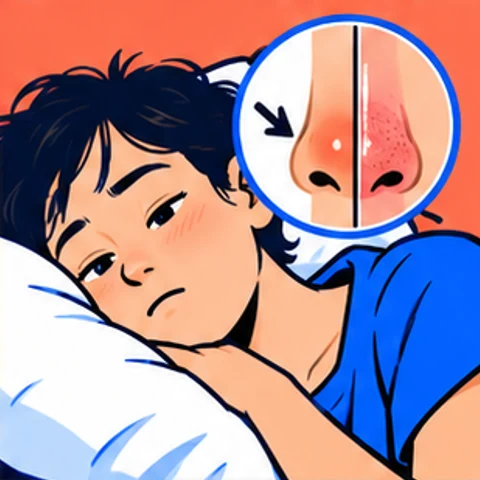 Nose · Involuntary response
When lying on one side, the lower nasal side often swells more.
Frequency: Common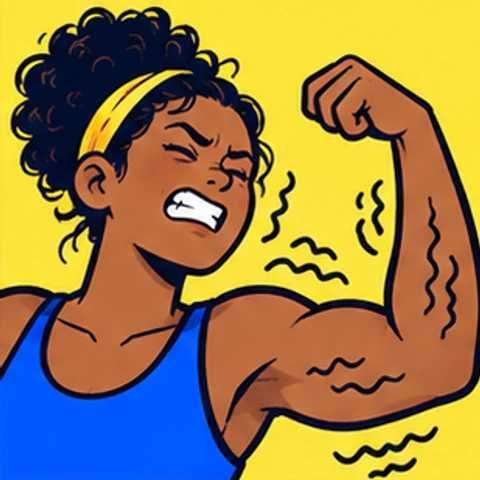 Muscles · Involuntary response
Fine involuntary oscillations during or after muscle exertion.
Frequency: Common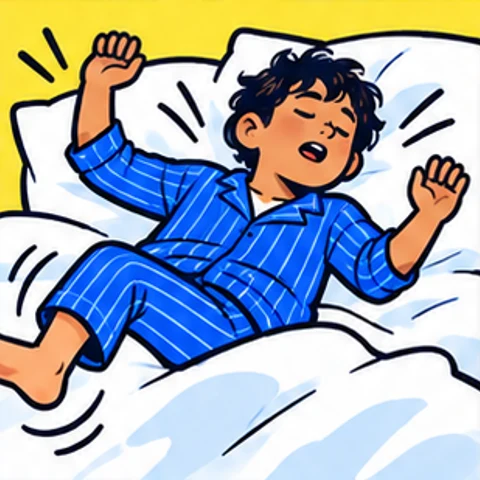 Nerves · Involuntary response
In a rare disorder, normal REM atonia is partly absent, so dreams can be acted out with movement.
Frequency: Rare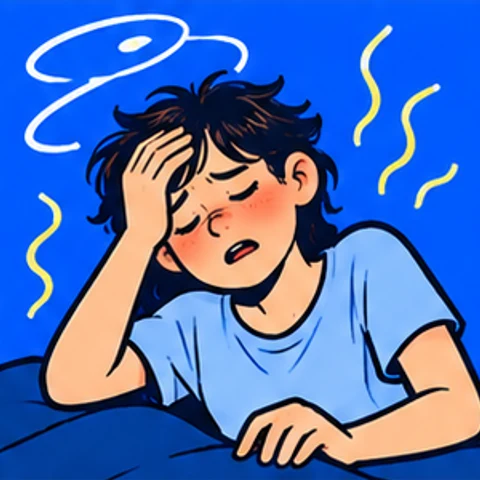 Heart & Circulation · Involuntary response
Pain, seeing blood, or prolonged standing can trigger nausea, warmth, and near-fainting.
Frequency: Varies by individual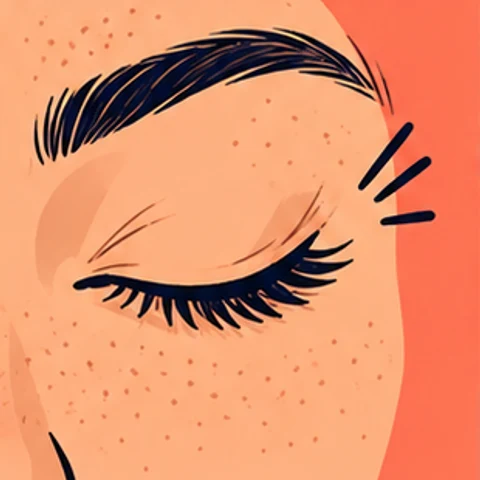 Muscles · Involuntary response
Fine, involuntary twitching of an eyelid.
Frequency: Common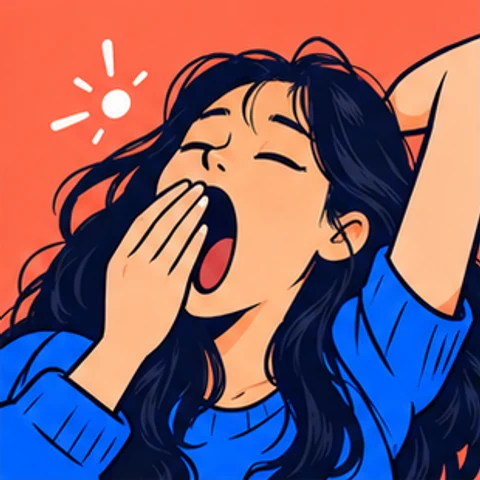 Nerves · Involuntary response
Yawning is an involuntary sequence of inhalation, mouth opening, and stretching.
Frequency: Common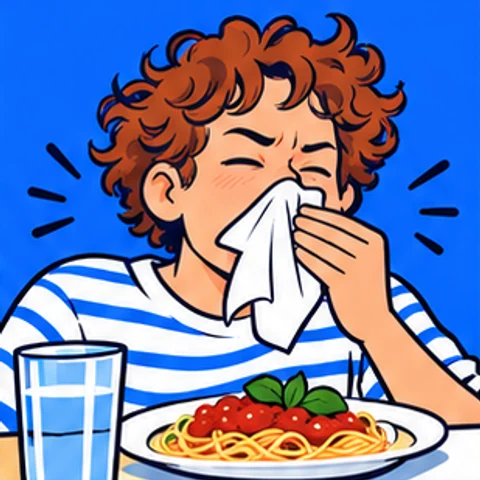 Nose · Involuntary response
Some people sneeze after a large meal.
Frequency: Frequency unclear Internal Organs · Involuntary response
Beetroot can color urine pink to red.
Frequency: Varies by individual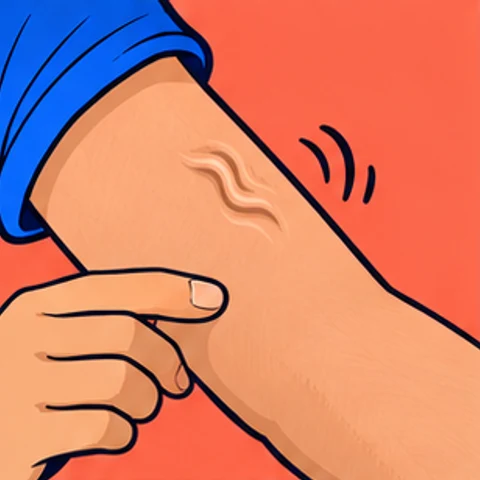 Muscles · Involuntary response
Visible twitching of small muscle bundles beneath the skin.
Frequency: Common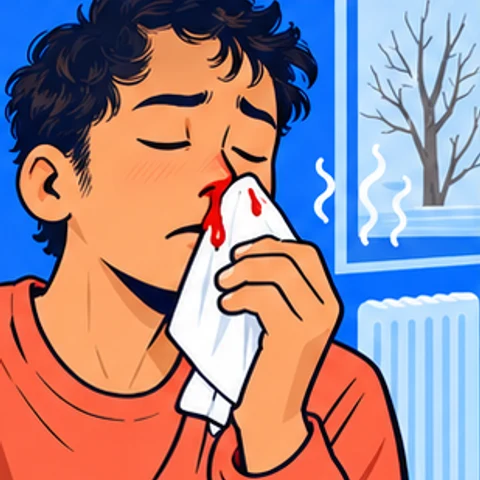 Nose · Involuntary response
Dry mucosa can make small vessels more likely to rupture.
Frequency: Varies by individual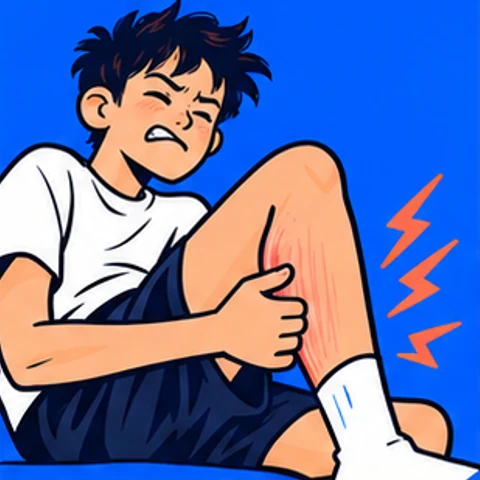 Muscles · Involuntary response
Sudden painful involuntary muscle contraction.
Frequency: Common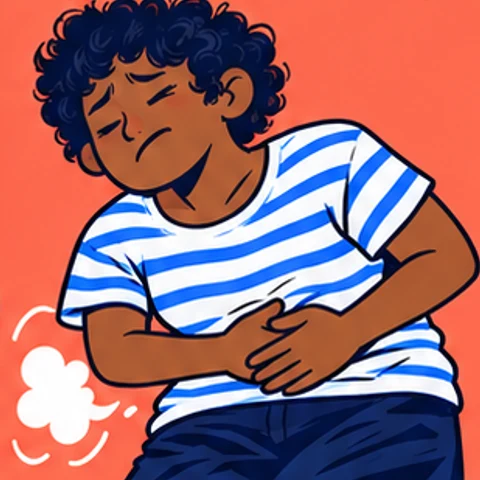 Internal Organs · Involuntary response
Undigested lactose can cause gas and diarrhea.
Frequency: Varies by individual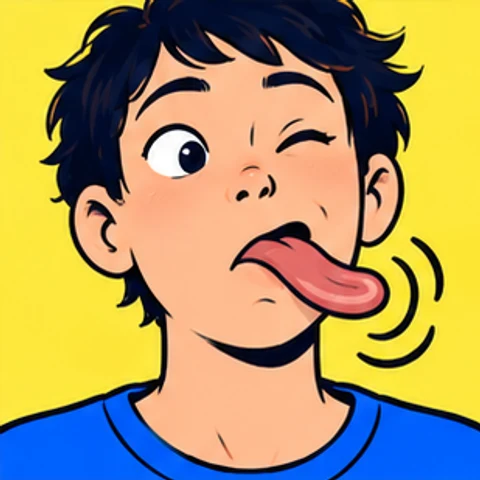 Mouth & Throat · Involuntary response
Rare involuntary tongue movements can interfere with speech and swallowing. Causes range from medications to movement disorders.
Frequency: Rare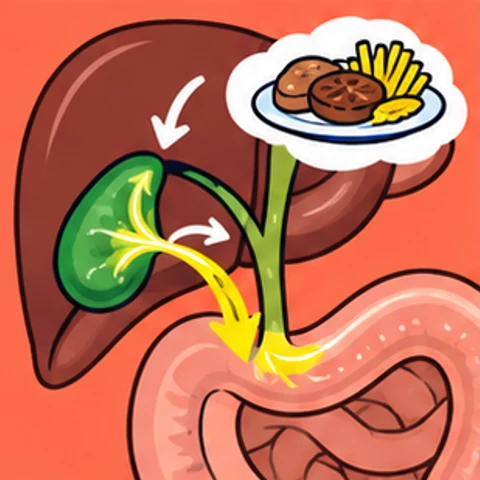 Internal Organs · Involuntary response
Fatty food triggers emptying of the gallbladder. This usually goes unnoticed.
Frequency: Common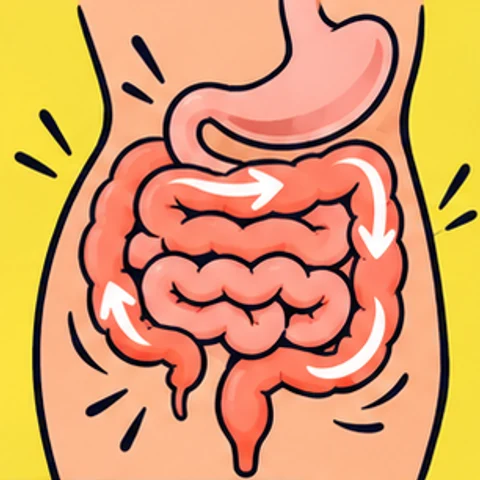 Internal Organs · Involuntary response
Between meals, the stomach and small intestine pass through recurring phases of movement.
Frequency: Common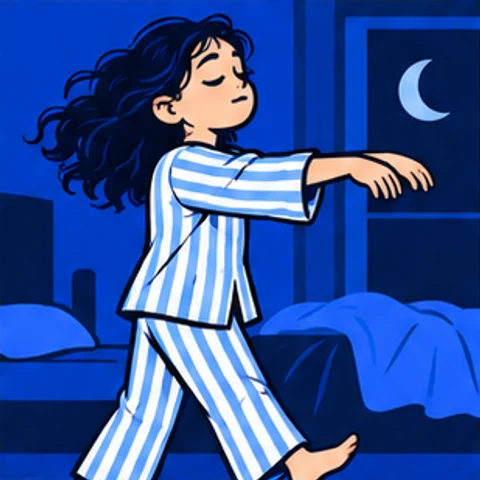 Brain · Involuntary response
During sleepwalking, a person performs complex movements while only partly awake.
Frequency: Varies by individual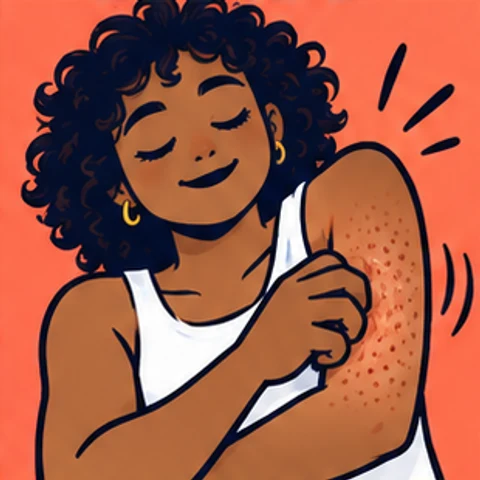 Nerves · Involuntary response
Scratching can briefly suppress an itch, but excessive scratching increases skin irritation.
Frequency: Common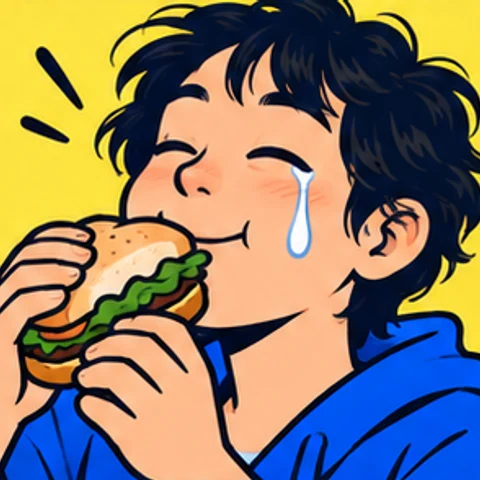 Eyes · Involuntary response
Rarely, the eyes water during chewing or eating.
Frequency: Rare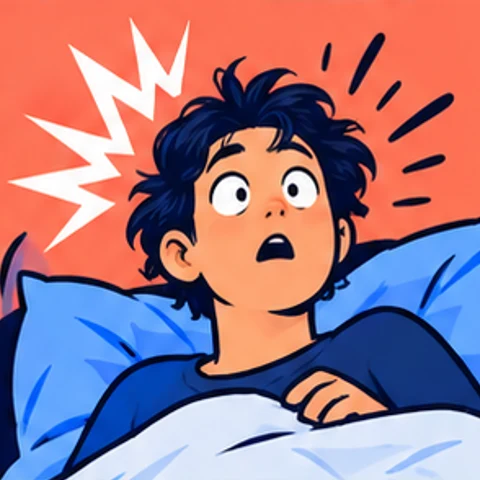 Ears · Involuntary response
While falling asleep or waking, a person may experience a sudden loud noise with no external source.
Frequency: Frequency unclear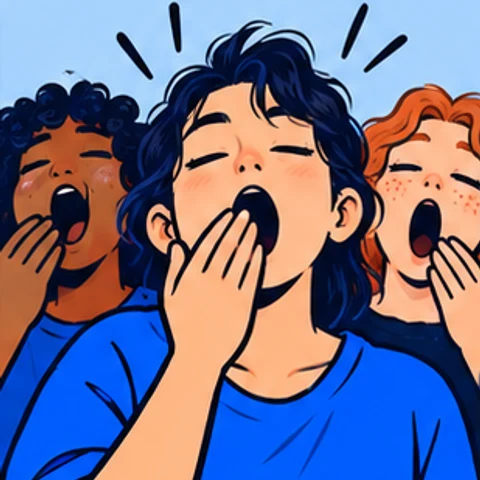 Brain · Involuntary response
Seeing or hearing a yawn can cause some people to yawn themselves.
Frequency: Varies by individual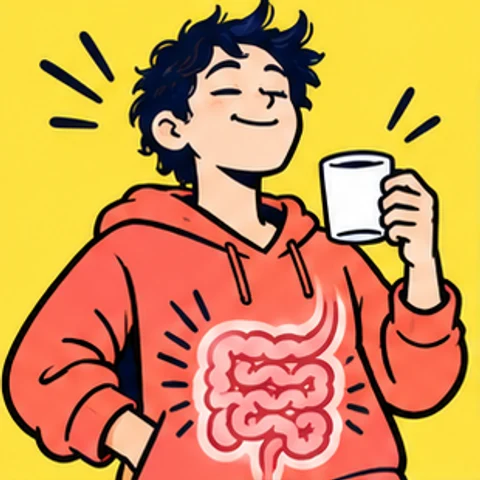 Internal Organs · Involuntary response
Coffee can increase the urge to have a bowel movement in some people.
Frequency: Varies by individual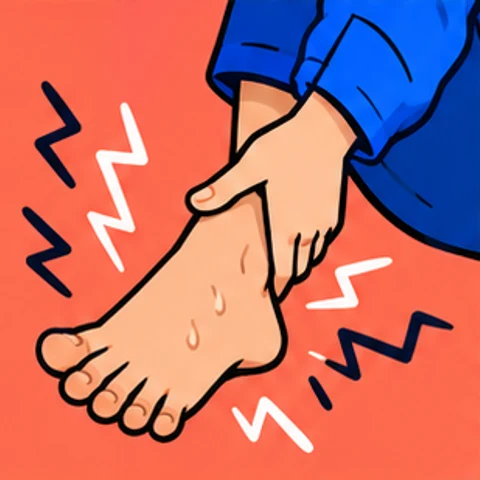 Nerves · Involuntary response
After sitting awkwardly, a foot may become numb and then tingle when pressure is released because its nerves were temporarily impaired.
Frequency: Common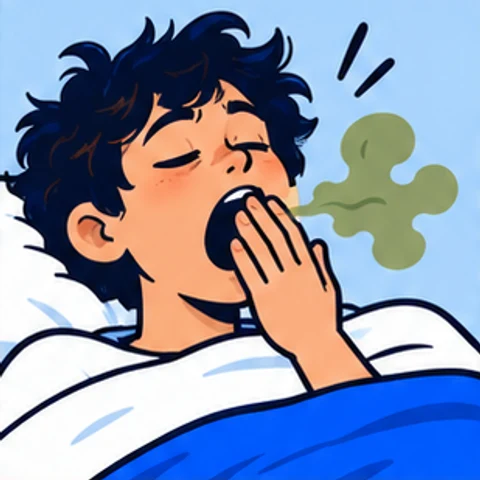 Mouth & Throat · Involuntary response
Breath often smells stronger after sleep.
Frequency: Common Internal Organs · Involuntary response
A few drops may emerge from the urethra after using the toilet.
Frequency: Varies by individual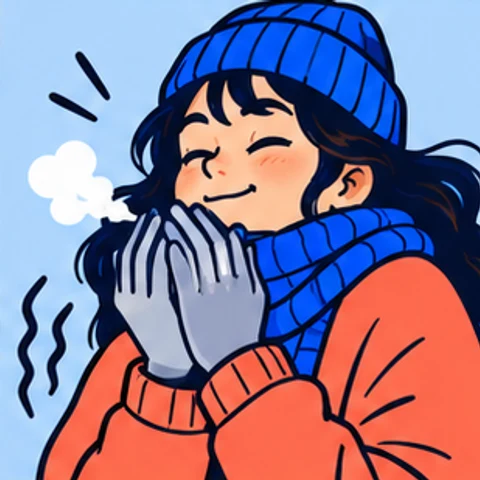 Skin & Hair · Involuntary response
Hands can feel especially cold in low temperatures or during stress.
Frequency: Common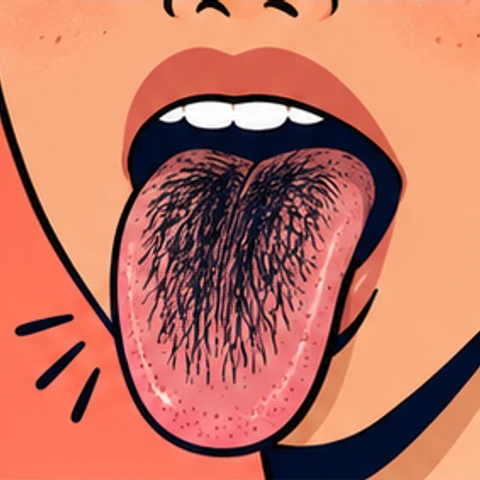 Mouth & Throat · Involuntary response
Elongated tongue papillae can form a dark, hair-like coating.
Frequency: Frequency unclear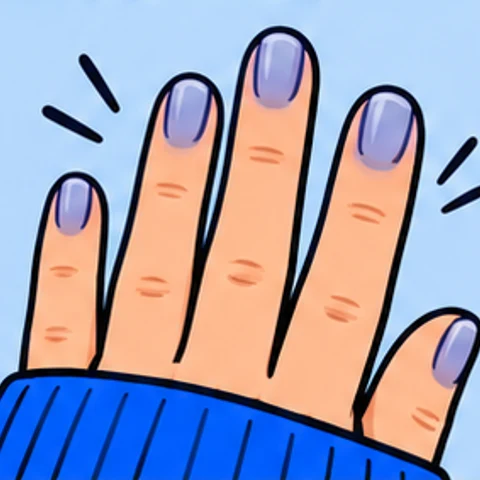 Skin & Hair · Involuntary response
Nail beds may temporarily look bluish in the cold.
Frequency: Frequency unclear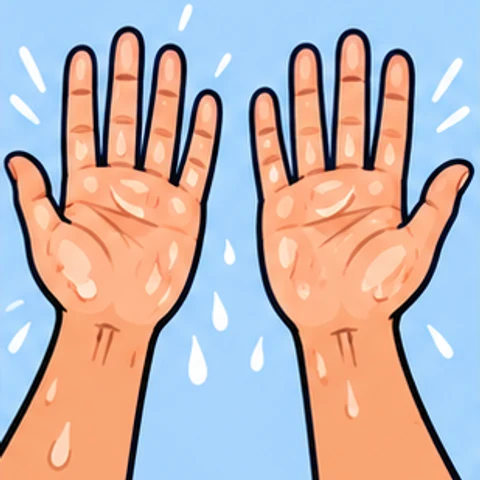 Skin & Hair · Involuntary response
Excessive sweating of the palms, often during stress or heat.
Frequency: Varies by individual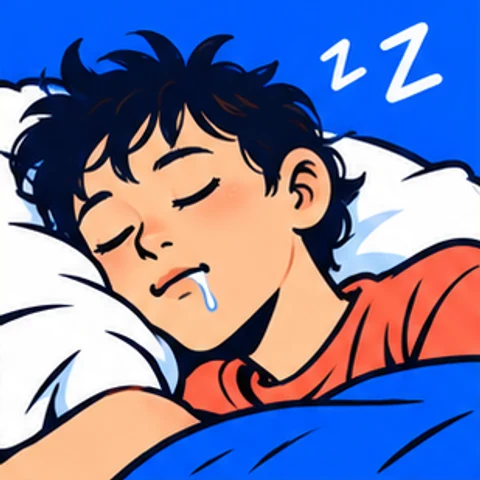 Mouth & Throat · Involuntary response
Saliva and secretions are swallowed even during sleep.
Frequency: Common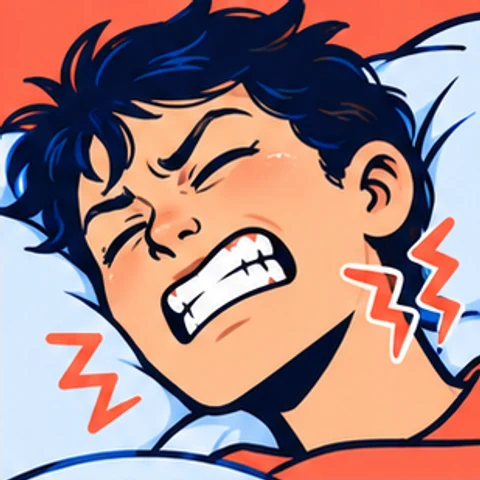 Mouth & Throat · Involuntary response
Jaw muscles clench or grind the teeth, often at night.
Frequency: Varies by individual Mouth & Throat · Involuntary response
The mouth can suddenly become watery before vomiting.
Frequency: Varies by individualTry another term or fewer filters.