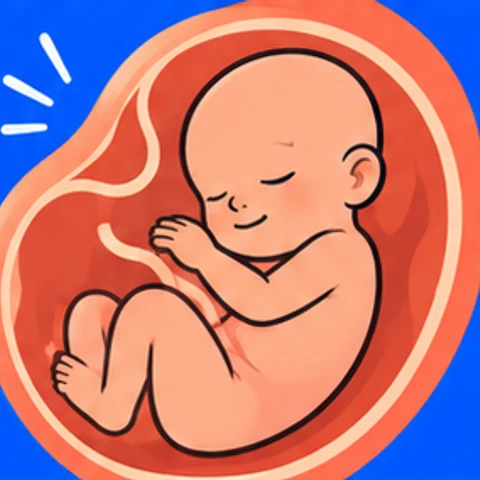
 Skin & Hair · Anatomical variation
The creases were there before birth
The major flexion creases of the hand form during development in the womb.
Frequency: CommonSkin & Hair · Anatomical variationThe major flexion creases of the hand form during development in the womb.
Frequency: Common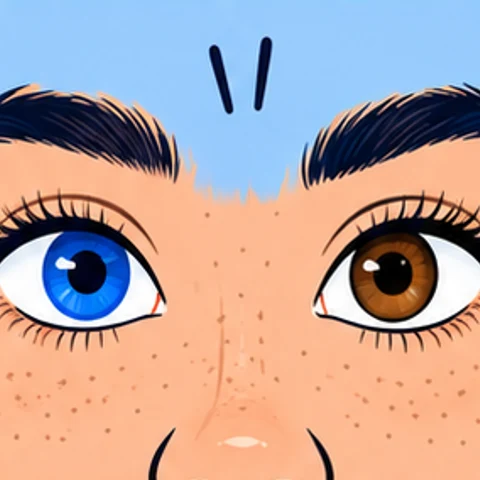 Eyes · Anatomical variation
Different iris colors or rings of color in one person.
Frequency: Varies by individual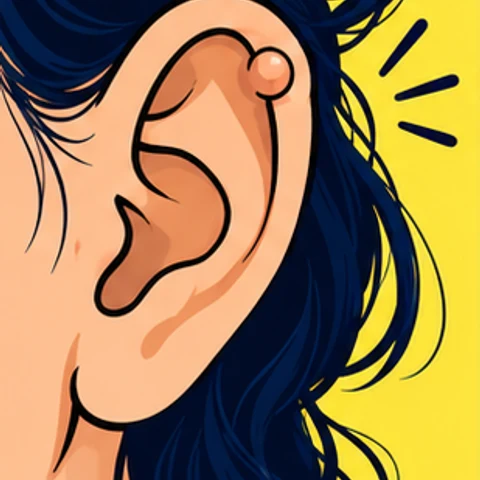 Ears · Anatomical variation
A small thickening on the upper outer rim of the ear.
Frequency: Varies by individual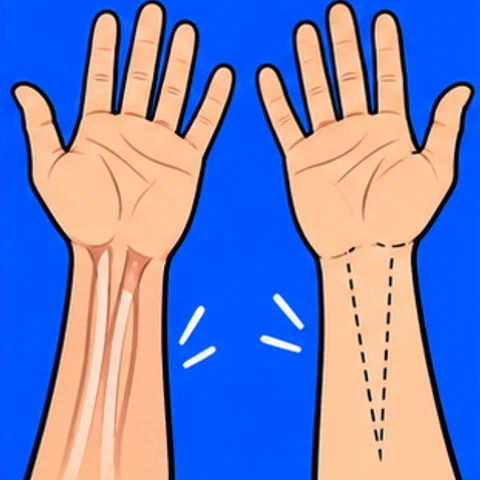 Muscles · Anatomical variation
A slender forearm muscle with a long tendon toward the palm is absent in some people without loss of function.
Frequency: Varies by individual Bones & Joints · Anatomical variation
Joints reach unusually large ranges of movement.
Frequency: Varies by individual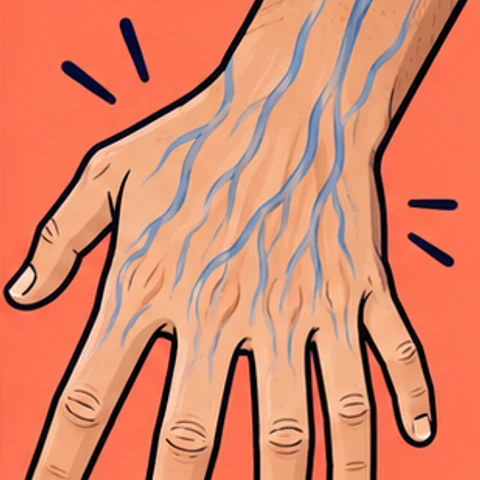 Whole Body · Anatomical variation
Superficial veins stand out clearly on the hands or forearms.
Frequency: Common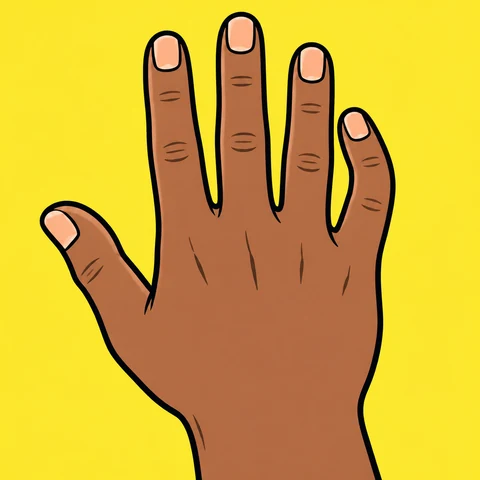 Bones & Joints · Anatomical variation
A congenital sideways curvature often affects the little finger.
Frequency: Varies by individual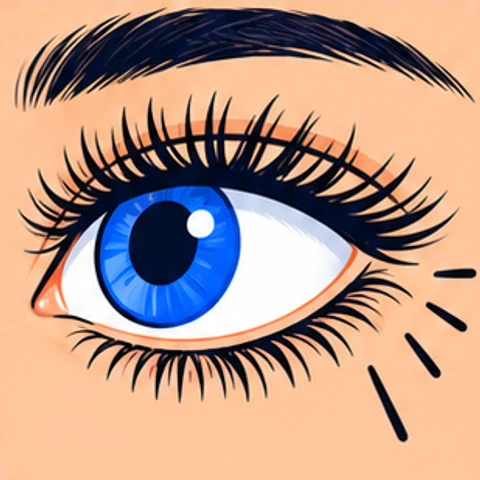 Eyes · Anatomical variation
Extra eyelashes grow from the openings of the Meibomian glands.
Frequency: Rare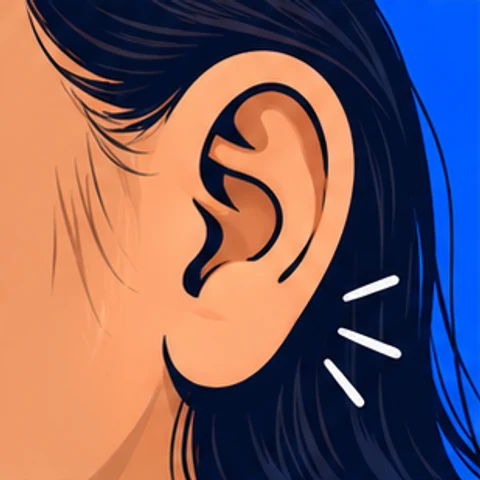 Ears · Anatomical variation
Earlobes that meet the cheek without a distinct free lower edge.
Frequency: Varies by individual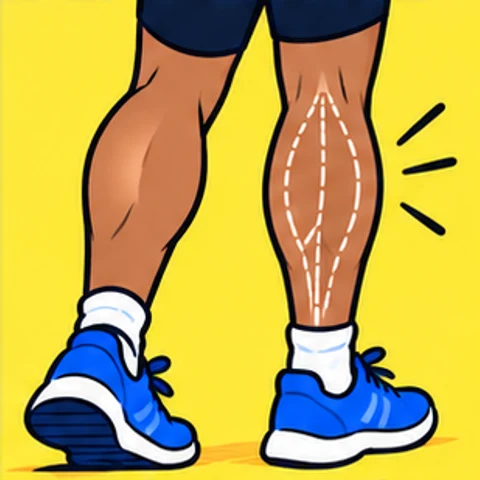 Muscles · Anatomical variation
A variable small calf muscle that is absent in some people.
Frequency: Varies by individual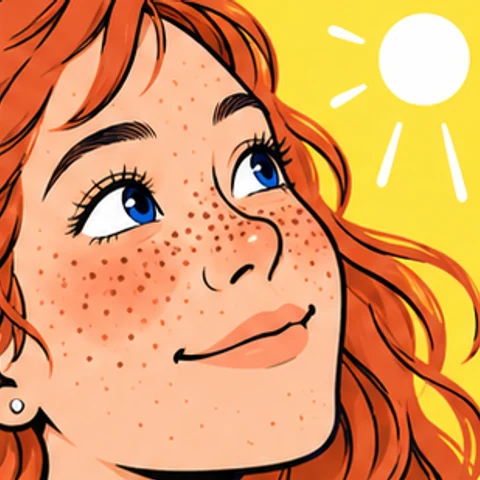 Skin & Hair · Anatomical variation
Small genetically influenced pigment spots that darken in sunlight.
Frequency: Varies by individual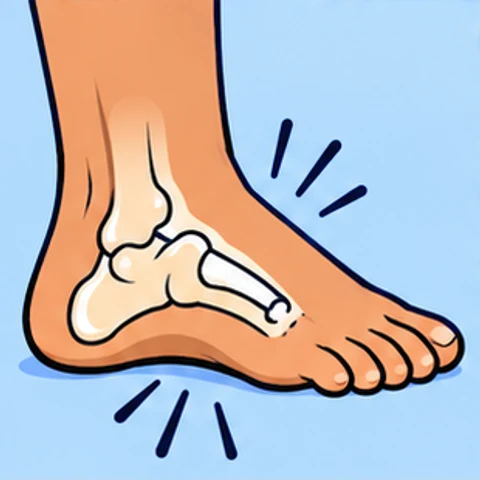 Bones & Joints · Anatomical variation
An additional bone fragment may lie at the inner arch of the foot.
Frequency: Varies by individual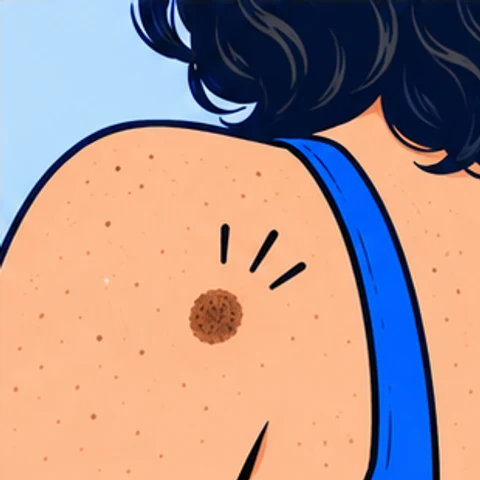 Skin & Hair · Anatomical variation
A circumscribed spot made of a cluster of pigment-producing cells.
Frequency: Common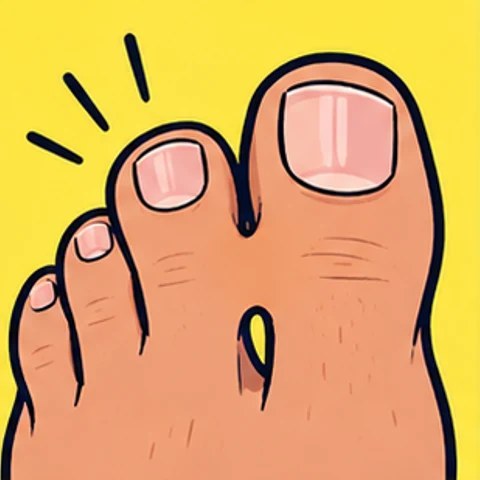 Bones & Joints · Anatomical variation
Adjacent fingers or toes can be partly joined from birth.
Frequency: Varies by individual Bones & Joints · Anatomical variation
The thumb can bend far backward at its end joint.
Frequency: Varies by individual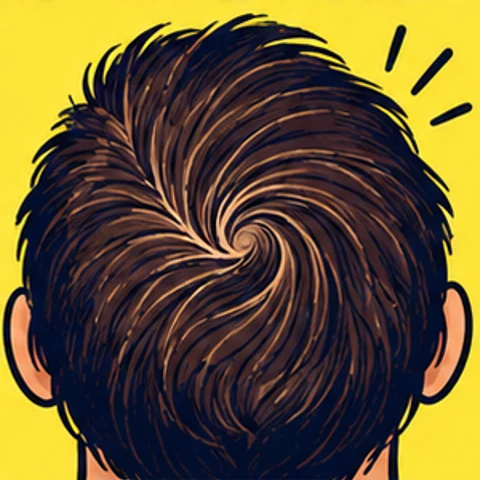 Skin & Hair · Anatomical variation
A spiral growth pattern of hair on the head or body.
Frequency: Common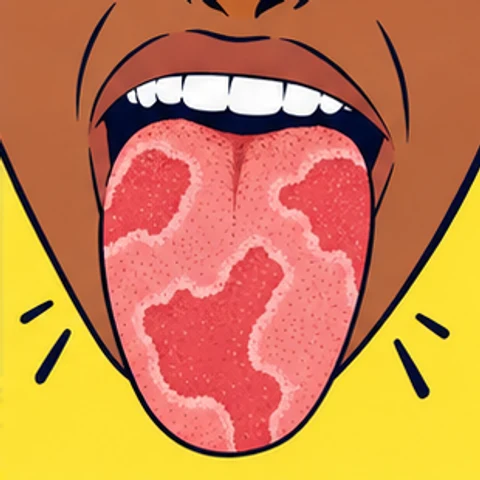 Mouth & Throat · Anatomical variation
Smooth red patches move across the tongue.
Frequency: Varies by individual Skin & Hair · Anatomical variation
A V-shaped hairline in the center of the forehead.
Frequency: Frequency unclear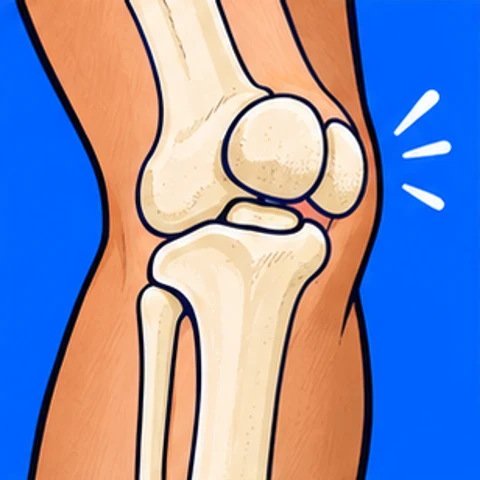 Bones & Joints · Anatomical variation
An additional bone part can remain permanently connected to the kneecap.
Frequency: Varies by individual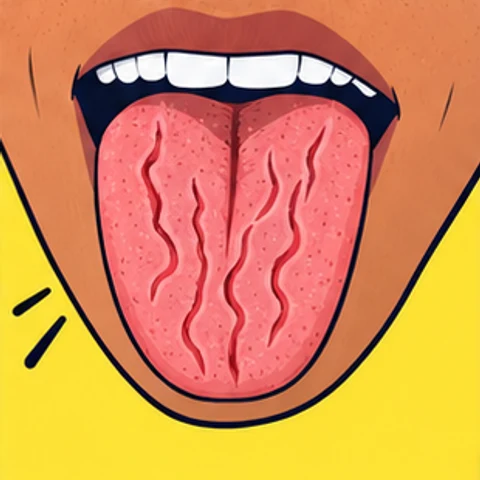 Mouth & Throat · Anatomical variation
Deep grooves divide the surface of the tongue.
Frequency: Varies by individual Internal Organs · Anatomical variation
In some adults, the enzyme that breaks down milk sugar remains active.
Frequency: Varies by individual Skin & Hair · Anatomical variation
A localized white section of hair caused by absent pigment.
Frequency: Frequency unclear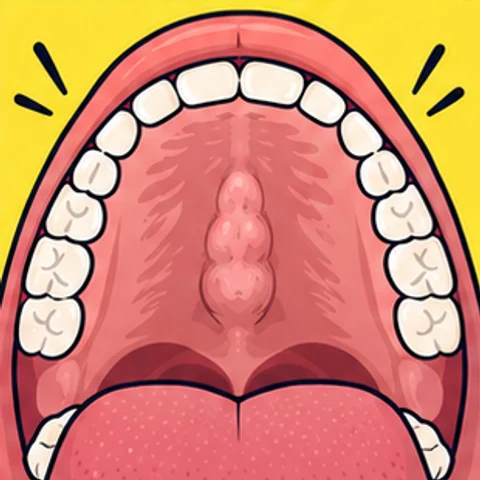 Mouth & Throat · Anatomical variation
A hard bony protrusion sits in the middle of the hard palate.
Frequency: Varies by individual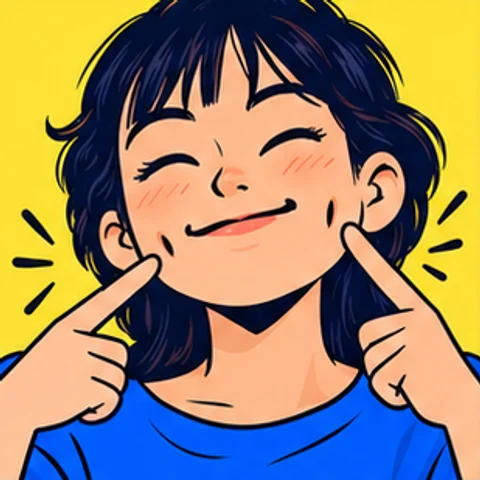 Skin & Hair · Anatomical variation
Small indentations in the cheeks, especially when smiling.
Frequency: Varies by individual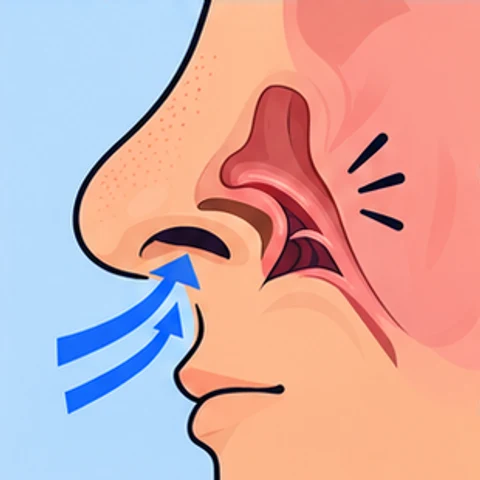 Nose · Anatomical variation
In some people, the soft nasal wall pulls inward during inhalation. This can restrict airflow on one side.
Frequency: Frequency unclear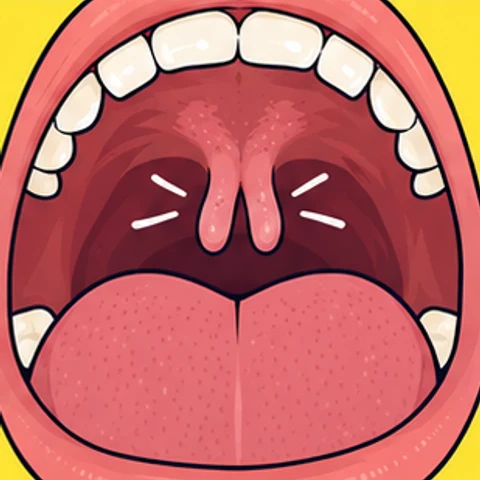 Mouth & Throat · Anatomical variation
The uvula is split at its tip.
Frequency: Varies by individual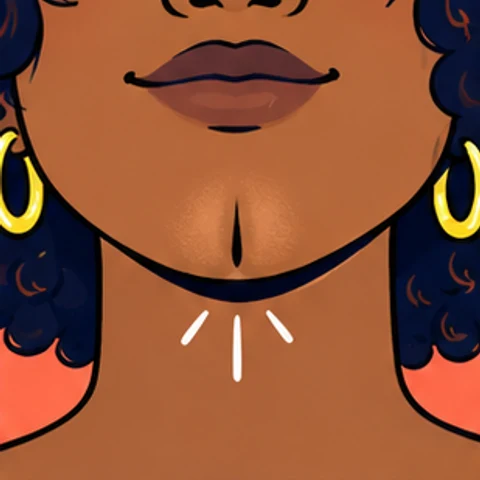 Skin & Hair · Anatomical variation
A midline notch or indentation on the chin.
Frequency: Frequency unclear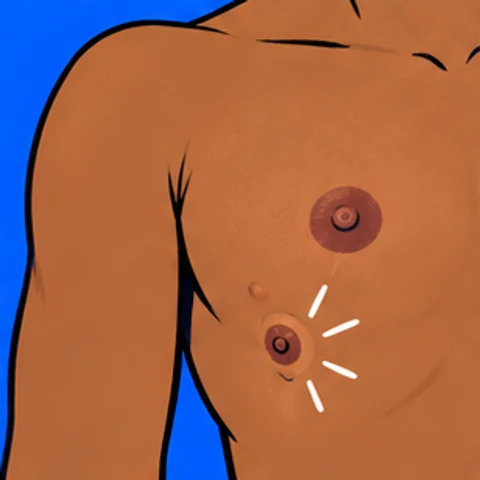 Skin & Hair · Anatomical variation
An additional small nipple along the embryonic milk line.
Frequency: Varies by individual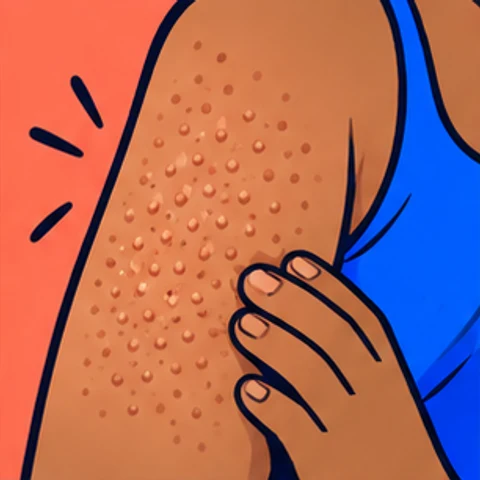 Skin & Hair · Anatomical variation
Small rough bumps form when plugs of keratin collect in hair follicles.
Frequency: Common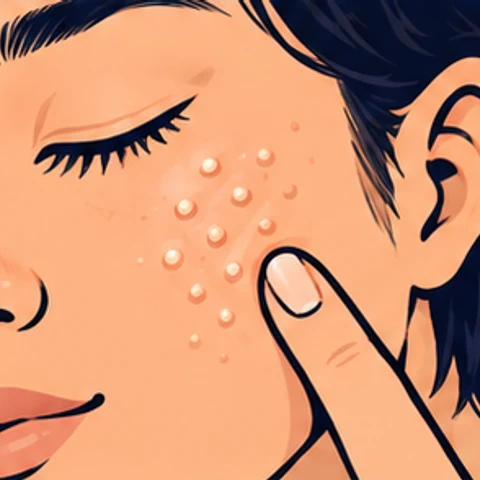 Skin & Hair · Anatomical variation
Small keratin-filled cysts lie just beneath the skin surface.
Frequency: Common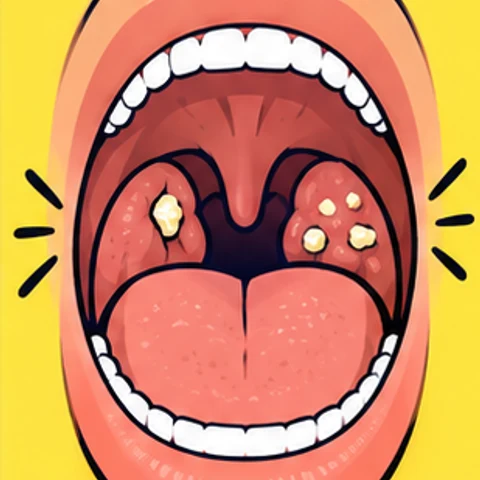 Mouth & Throat · Anatomical variation
Small, firm plugs can form in the crypts of the palatine tonsils.
Frequency: Frequency unclear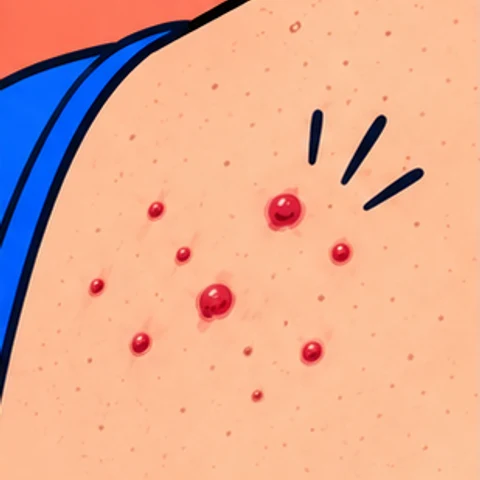 Skin & Hair · Anatomical variation
Benign vascular bumps appear as red to purple spots.
Frequency: Common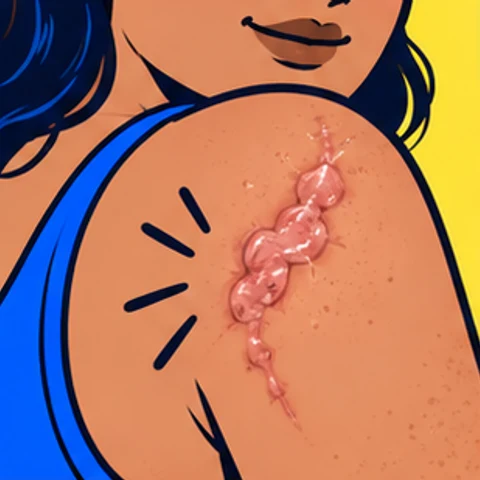 Skin & Hair · Anatomical variation
A keloid is excessive scar tissue that grows beyond the original injury.
Frequency: Varies by individual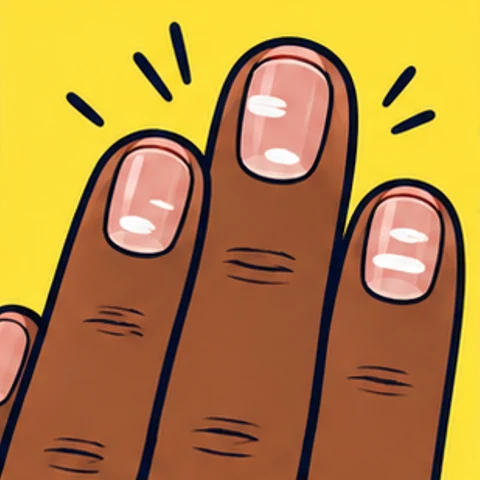 Skin & Hair · Anatomical variation
White spots or lines in the nail plate.
Frequency: Common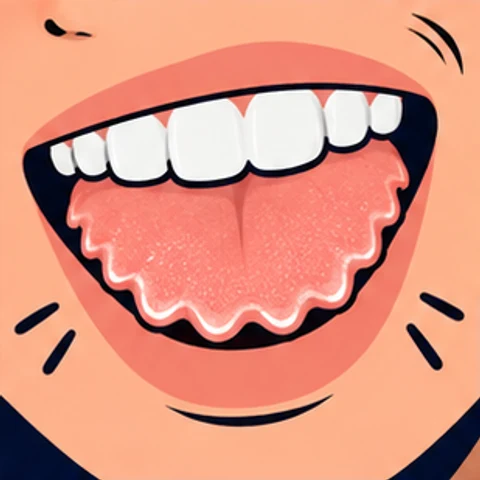 Mouth & Throat · Anatomical variation
The sides of the tongue can rest against the teeth in a wavy outline.
Frequency: Frequency unclearTry another term or fewer filters.