 Eyes · Perception
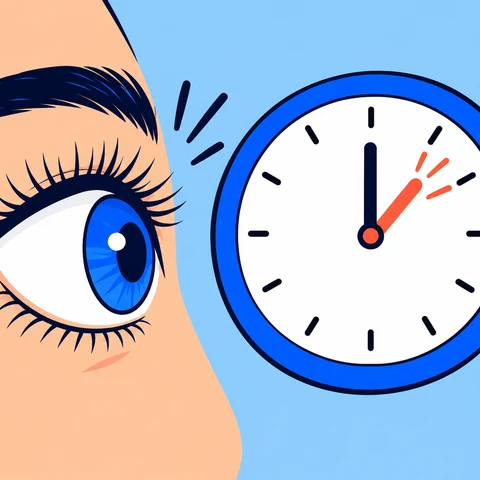
The stopped clock
After a rapid eye movement, the first new image seems visible for slightly longer.
Frequency: Varies by individualEyes · PerceptionAfter a rapid eye movement, the first new image seems visible for slightly longer.
Frequency: Varies by individual Eyes · Perception
Threads or dots seem to move through the visual field, especially against a bright background.
Frequency: Common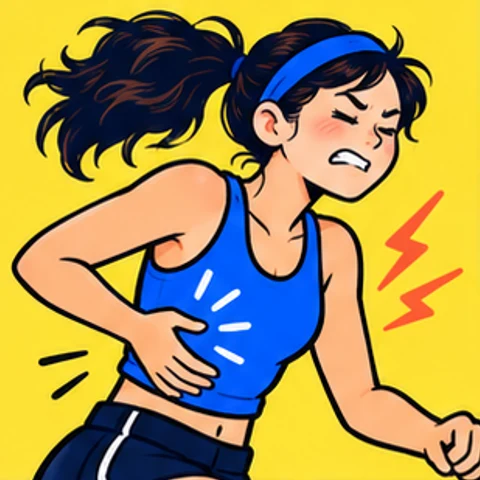 Whole Body · Perception
A stabbing pain under the ribs at the side during endurance exercise.
Frequency: Common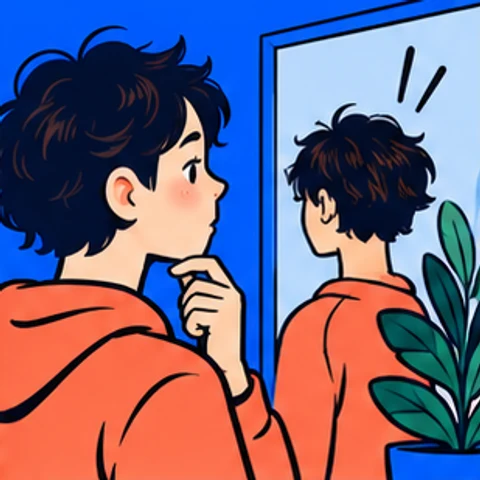 Brain · Perception
Even conspicuous changes can go unnoticed, especially when an interruption masks their visual change signals.
Frequency: Varies by individual Nerves · Perception
Synchronous seeing and touch can make an artificial hand temporarily seem part of one’s own body.
Frequency: Varies by individual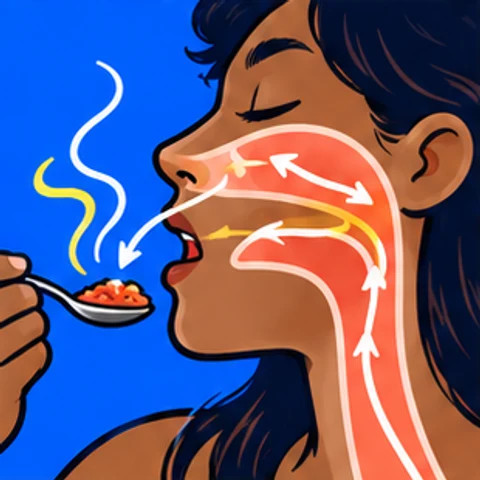 Mouth & Throat · Perception
During chewing, aromas travel from the mouth into the nasal cavity.
Frequency: Common Heart & Circulation · Perception
Brief spots of light or darkening of vision can occur when standing up quickly.
Frequency: Varies by individual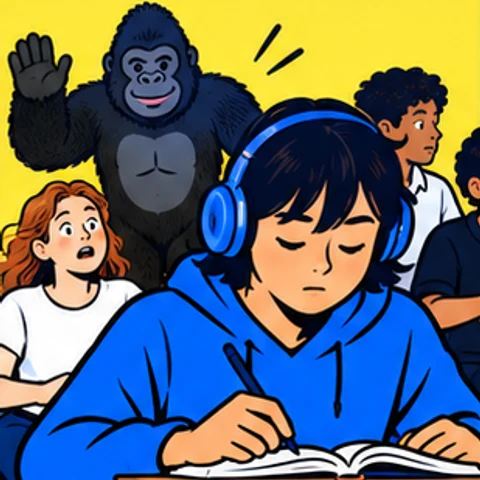 Brain · Perception
People focused on a task sometimes do not consciously notice unexpected visible events.
Frequency: Varies by individual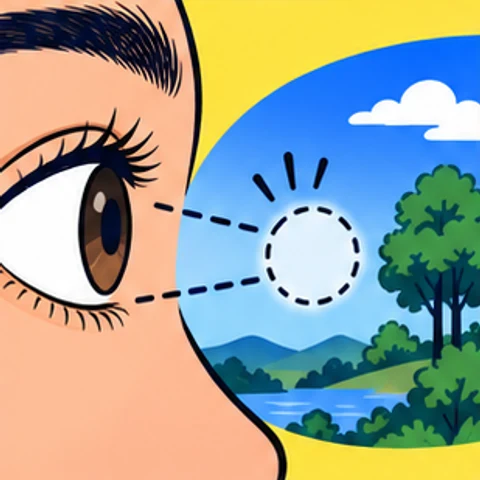 Eyes · Perception
At the point where the optic nerve exits, there are no photoreceptors; the brain fills in the gap.
Frequency: Common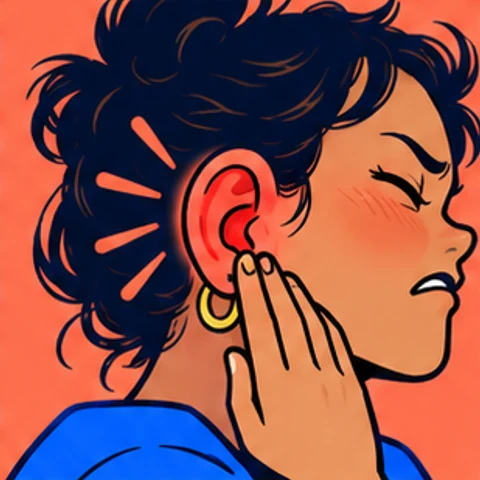 Ears · Perception
Rare attacks combine redness of the outer ear with burning pain.
Frequency: Rare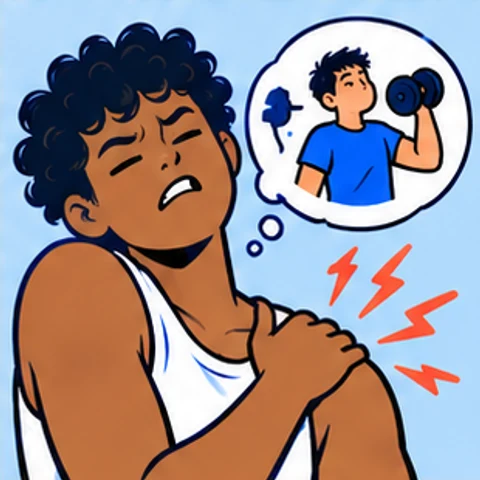 Muscles · Perception
Muscle pain and stiffness hours to days after unfamiliar exertion.
Frequency: Common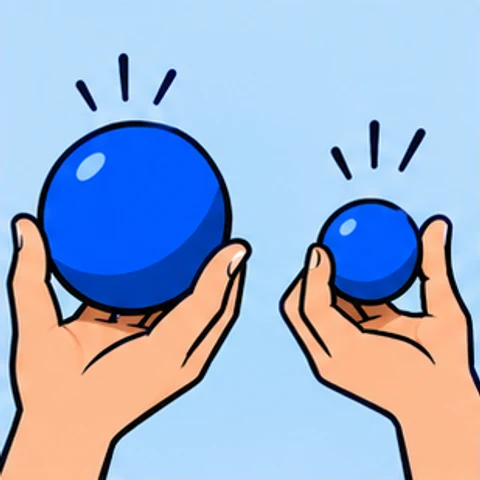 Brain · Perception
Two objects of the same weight can feel different in weight when one is smaller.
Frequency: Varies by individual Heart & Circulation · Perception
The heartbeat may be perceived as pounding, fluttering, or skipped beats.
Frequency: Varies by individual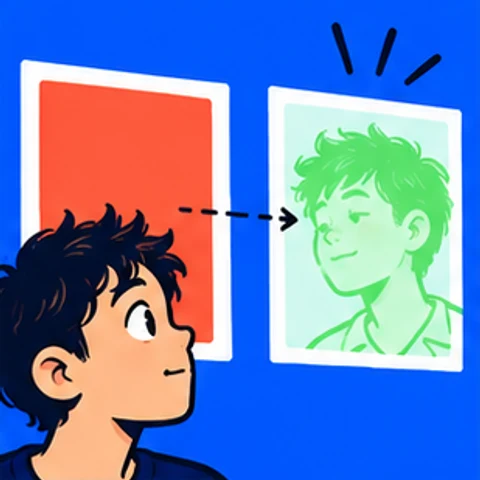 Eyes · Perception
After looking at a vivid color field, a short-lived afterimage in another, roughly opposite color can appear.
Frequency: Common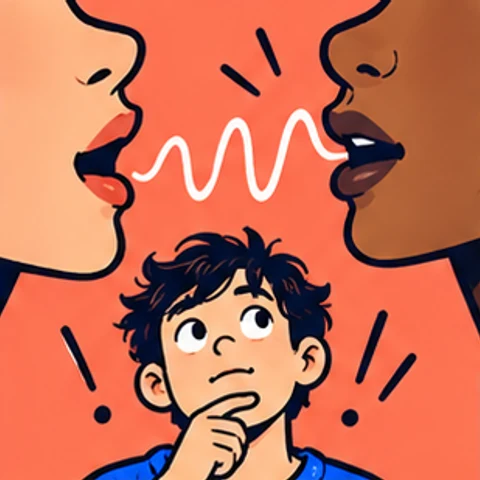 Ears · Perception
Conflicting mouth movements and speech sounds can produce a third perceived sound.
Frequency: Varies by individual Brain · Perception
The visual system recognizes familiar patterns in random forms.
Frequency: Common Nose · Perception
A smell can seem weaker after a few minutes.
Frequency: Common Internal Organs · Perception
After eating asparagus, urine can have a noticeable smell.
Frequency: Varies by individual Eyes · Perception
Phosphenes are sensations of light without a corresponding external light source; they can arise in different parts of the visual system.
Frequency: Varies by individual Ears · Perception
The brain often assigns a sound to the visible source that is moving.
Frequency: Varies by individual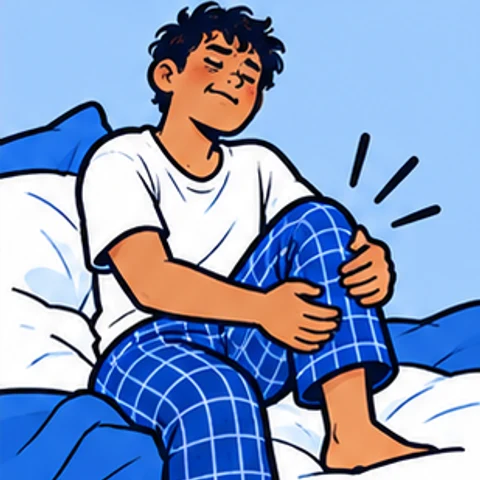 Bones & Joints · Perception
Joints can feel stiff at first after resting.
Frequency: Varies by individual Brain · Perception
A new situation can briefly feel familiar even when no real memory can be found.
Frequency: Common Eyes · Perception
Against a blue sky, tiny bright dots can move along winding paths.
Frequency: Varies by individual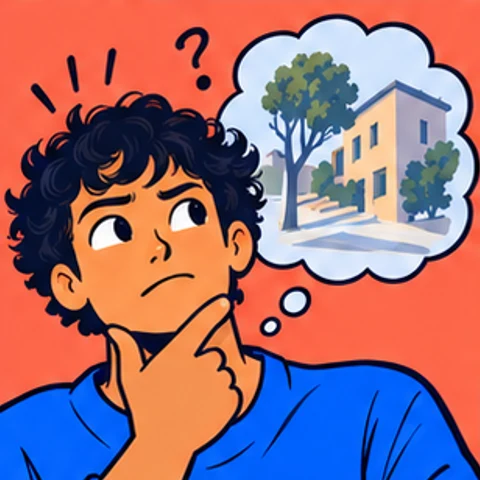 Brain · Perception
A familiar word or situation can briefly seem strange; repeating a word can induce this in an experiment.
Frequency: Frequency unclear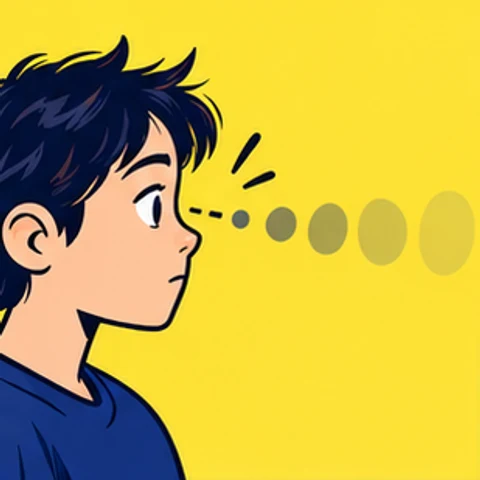 Eyes · Perception
With steady fixation, low-contrast stationary stimuli can gradually fade from perception.
Frequency: Varies by individual Brain · Perception
You know that you know a word but temporarily cannot retrieve it.
Frequency: Common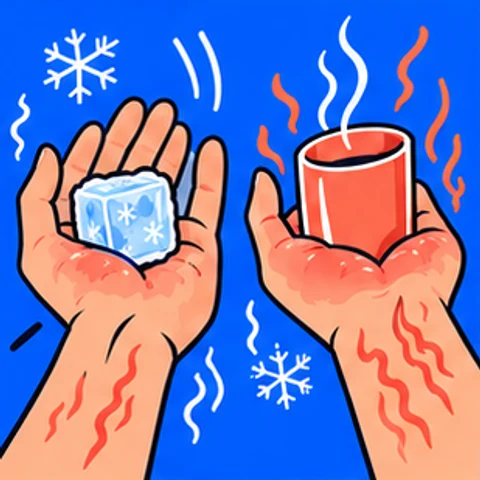 Nerves · Perception
Simultaneous warm and cold stimuli can paradoxically feel like burning heat.
Frequency: Varies by individual Eyes · Perception
After looking at movement for a while, a stationary pattern seems to flow in the opposite direction.
Frequency: Varies by individual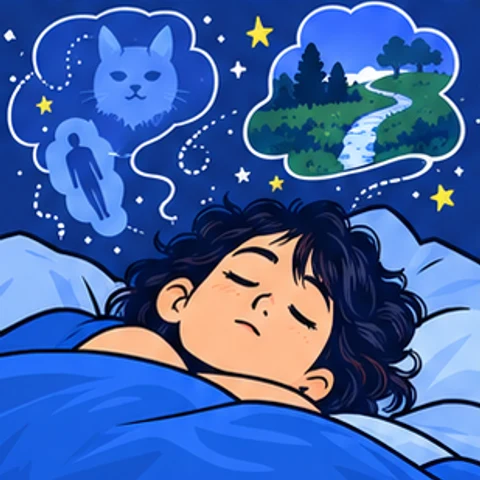 Brain · Perception
Brief images, voices, or bodily sensations can arise while falling asleep.
Frequency: Varies by individual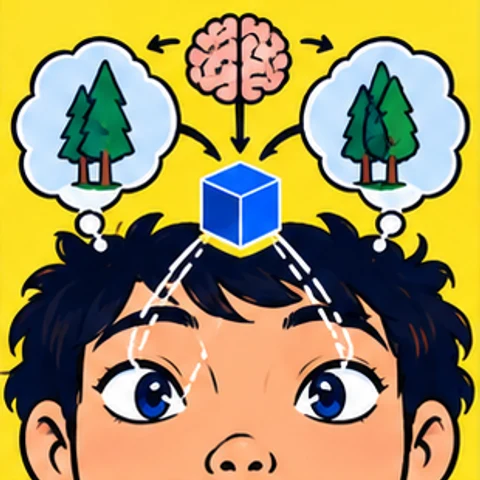 Eyes · Perception
The brain combines the slightly different images from both eyes into depth perception.
Frequency: Common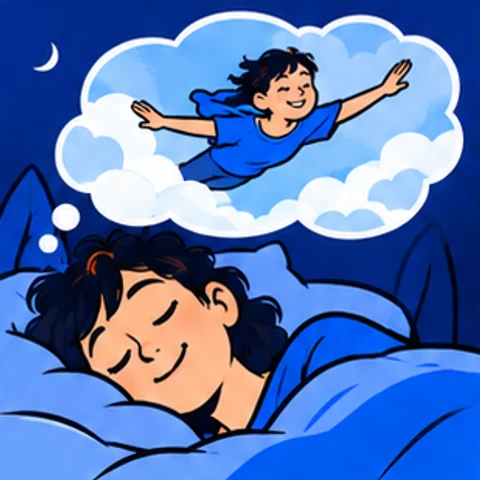 Brain · Perception
During a dream, a person may realize that they are dreaming; some then report limited control.
Frequency: Varies by individual Ears · Perception
An interrupted tone or speech sound can seem to continue when a suitable noise masks the gap.
Frequency: Varies by individual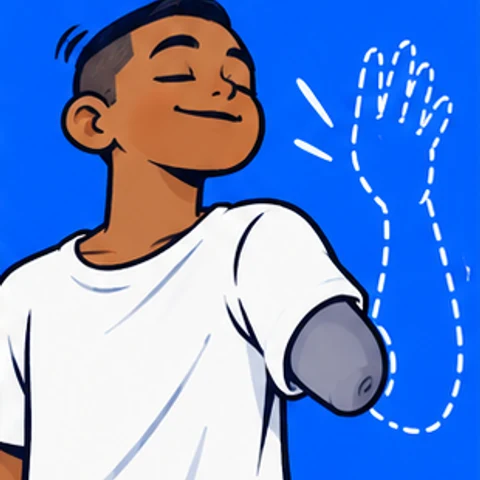 Nerves · Perception
After an amputation, sensations can seem to come from the missing body part.
Frequency: Varies by individual Brain · Perception
In synesthesia, one stimulus reliably triggers an additional, unusual perception, such as seeing color with letters.
Frequency: Varies by individual Brain · Perception
After certain injuries to the visual cortex, people may respond to stimuli without consciously seeing them.
Frequency: Rare Brain · Perception
In prosopagnosia, recognizing familiar faces is severely impaired even though visual acuity may be normal.
Frequency: Varies by individual Brain · Perception
In aphantasia, conscious voluntary visual imagery is absent; knowledge and thinking remain possible.
Frequency: Varies by individual Mouth & Throat · Perception
Garlic odor can remain on the breath for hours.
Frequency: CommonTry another term or fewer filters.