 Nerves
Hiccups
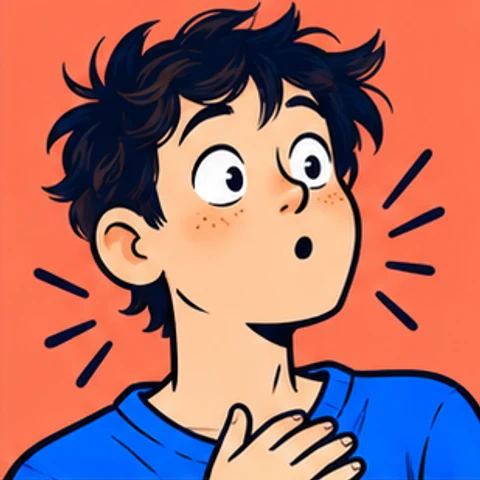
An involuntary spasm of the breathing muscles followed by closure of the glottis produces the characteristic hic.
Frequency: CommonNervesAn involuntary spasm of the breathing muscles followed by closure of the glottis produces the characteristic hic.
Frequency: Common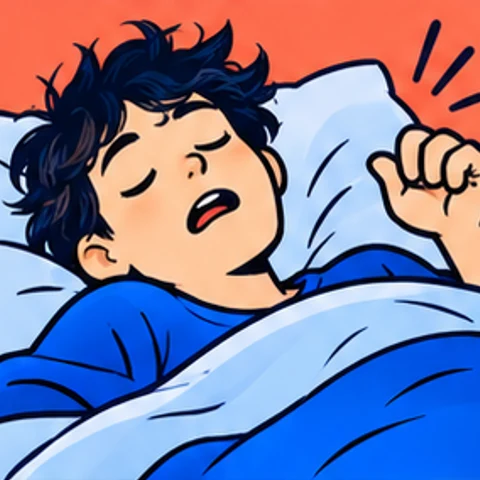 Nerves
A brief muscle jerk can occur while falling asleep, sometimes with a feeling of falling.
Frequency: Common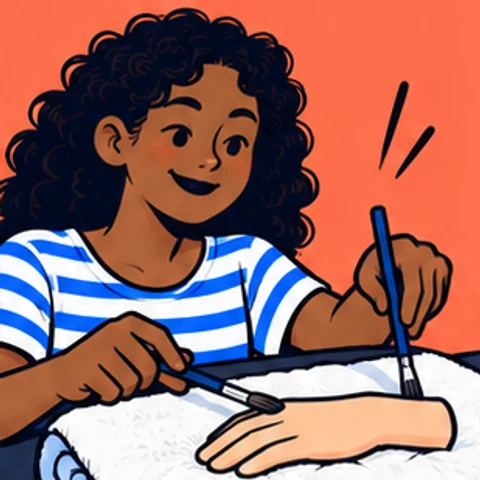 Nerves
Synchronous seeing and touch can make an artificial hand temporarily seem part of one’s own body.
Frequency: Varies by individual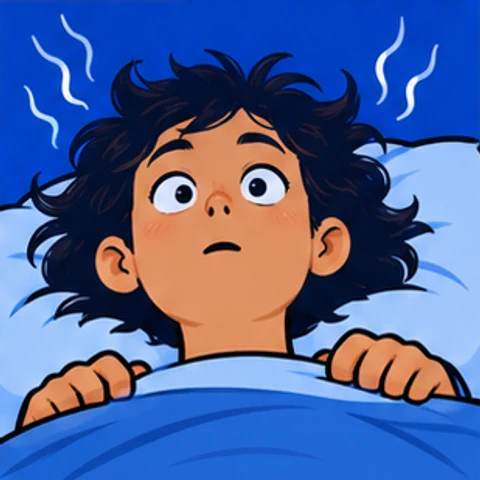 Nerves
When falling asleep or waking, REM-related muscle inhibition briefly persists despite awareness.
Frequency: Varies by individual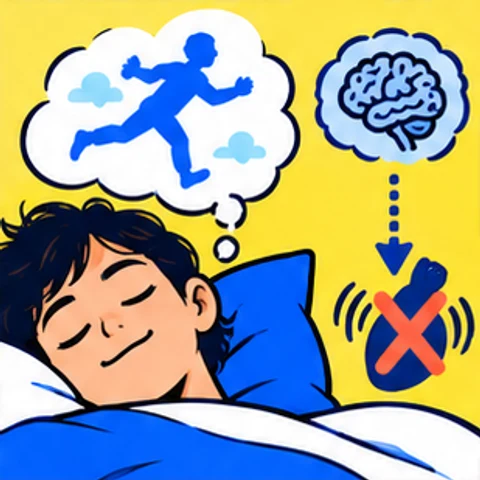 Nerves
During REM sleep, a brainstem network suppresses skeletal muscles and usually prevents acting out dreams.
Frequency: Common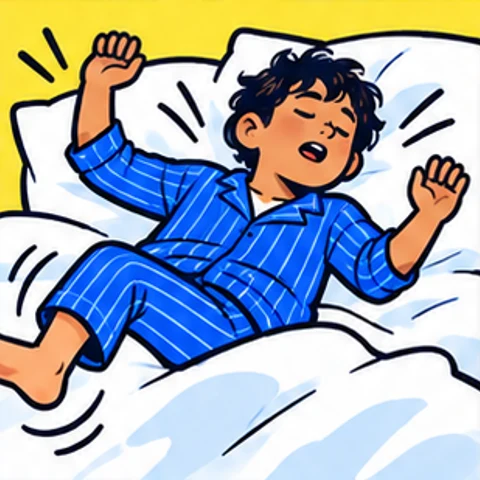 Nerves
In a rare disorder, normal REM atonia is partly absent, so dreams can be acted out with movement.
Frequency: Rare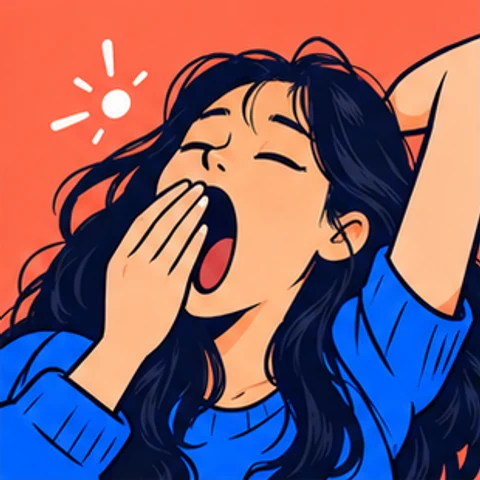 Nerves
Yawning is an involuntary sequence of inhalation, mouth opening, and stretching.
Frequency: Common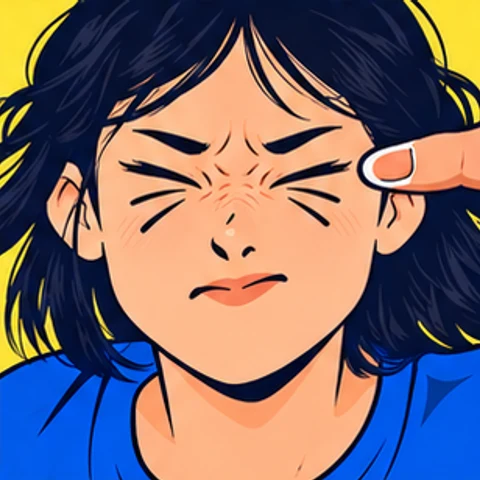 Nerves
A stimulus on the cornea can trigger rapid closure of both eyelids.
Frequency: Common Nerves
Simultaneous warm and cold stimuli can paradoxically feel like burning heat.
Frequency: Varies by individual Nerves
Irritation of the nasal mucosa triggers a coordinated exhalation to remove particles.
Frequency: Common Nerves
Irritation in the airways activates a protective reflex with a forceful burst of air.
Frequency: Common Nerves
A sudden stimulus can trigger a whole-body response within milliseconds.
Frequency: Common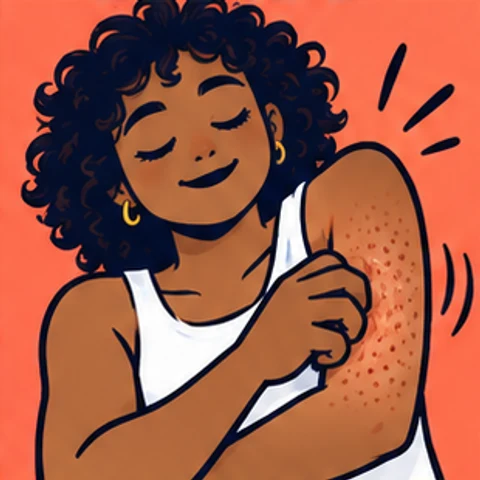 Nerves
Scratching can briefly suppress an itch, but excessive scratching increases skin irritation.
Frequency: Common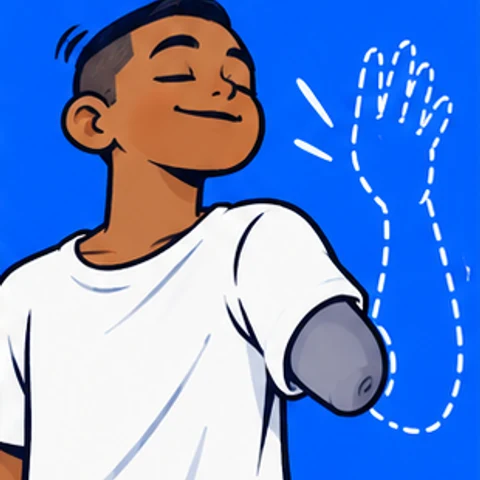 Nerves
After an amputation, sensations can seem to come from the missing body part.
Frequency: Varies by individual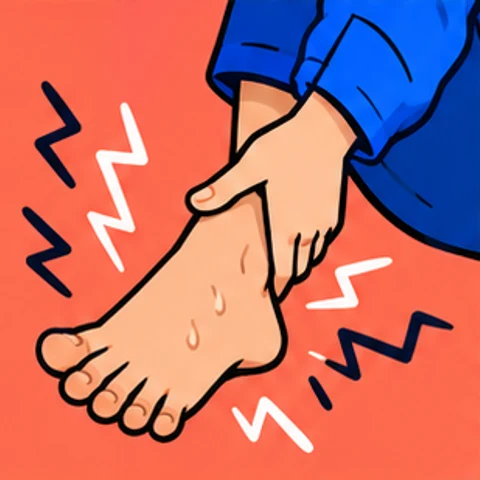 Nerves
After sitting awkwardly, a foot may become numb and then tingle when pressure is released because its nerves were temporarily impaired.
Frequency: CommonTry another term or fewer filters.