 Eyes
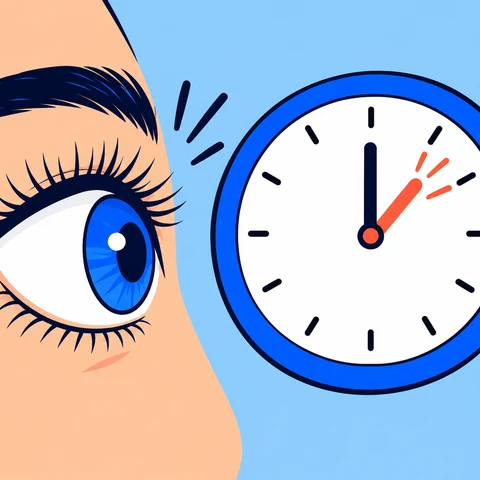
EyesThe stopped clock
After a rapid eye movement, the first new image seems visible for slightly longer.
Frequency: Varies by individualEyesAfter a rapid eye movement, the first new image seems visible for slightly longer.
Frequency: Varies by individual Eyes
EyesThreads or dots seem to move through the visual field, especially against a bright background.
Frequency: Common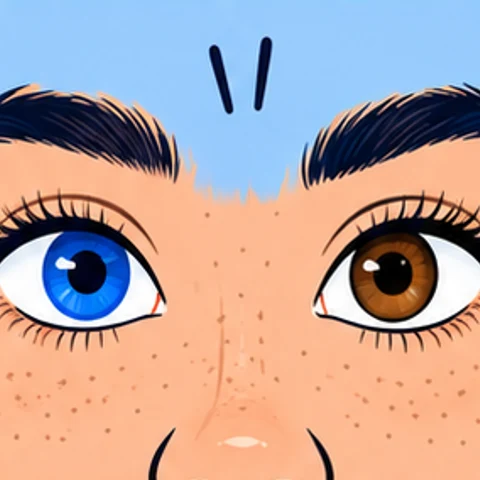 Eyes
EyesDifferent iris colors or rings of color in one person.
Frequency: Varies by individual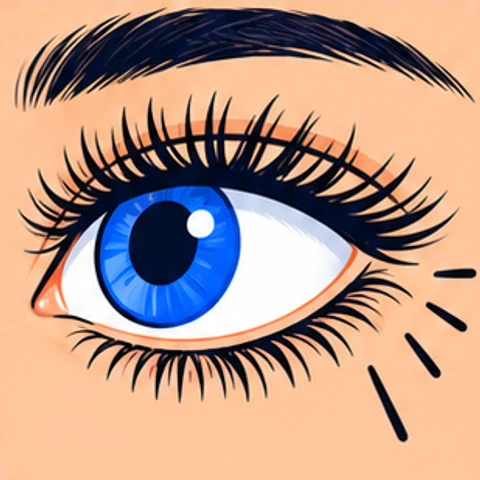 Eyes
EyesExtra eyelashes grow from the openings of the Meibomian glands.
Frequency: Rare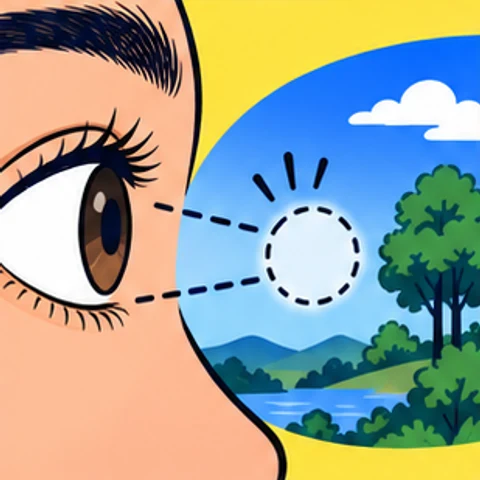 Eyes
EyesAt the point where the optic nerve exits, there are no photoreceptors; the brain fills in the gap.
Frequency: Common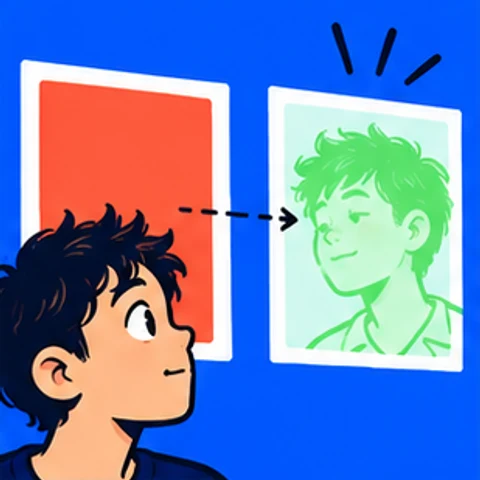 Eyes
EyesAfter looking at a vivid color field, a short-lived afterimage in another, roughly opposite color can appear.
Frequency: Common Eyes
EyesPhosphenes are sensations of light without a corresponding external light source; they can arise in different parts of the visual system.
Frequency: Varies by individual Eyes
EyesAgainst a blue sky, tiny bright dots can move along winding paths.
Frequency: Varies by individual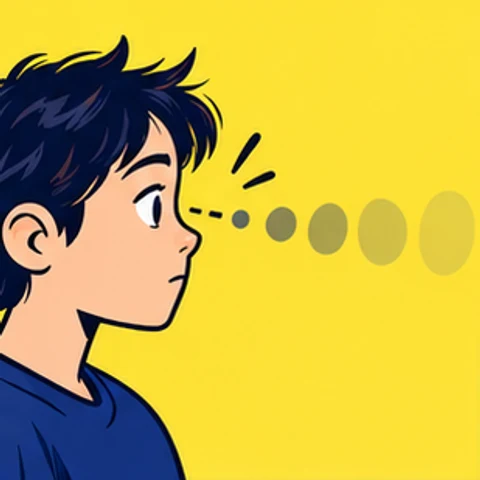 Eyes
EyesWith steady fixation, low-contrast stationary stimuli can gradually fade from perception.
Frequency: Varies by individual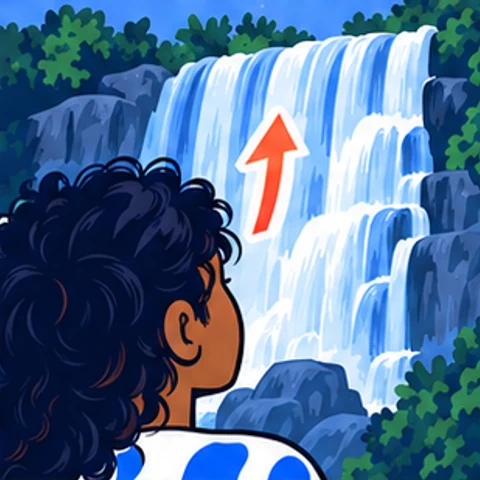 Eyes
EyesAfter looking at movement for a while, a stationary pattern seems to flow in the opposite direction.
Frequency: Varies by individual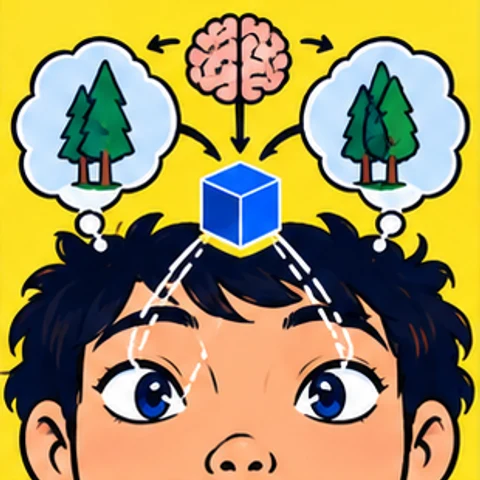 Eyes
EyesThe brain combines the slightly different images from both eyes into depth perception.
Frequency: Common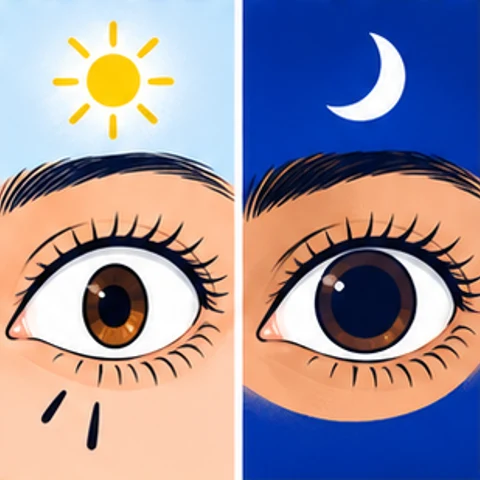 Eyes
EyesBright light automatically constricts the pupil; darkness makes it enlarge again.
Frequency: Common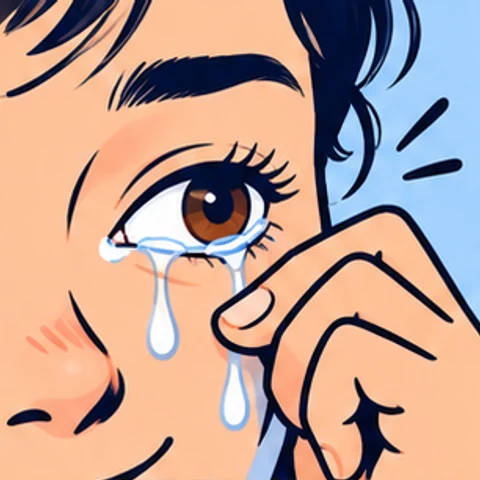 Eyes
EyesSmoke, onions, or dry air irritate the eye surface and trigger tears. This reflex protects and rinses the cornea.
Frequency: Common Eyes
EyesRarely, the eyes water during chewing or eating.
Frequency: RareTry another term or fewer filters.