 Brain
BrainAn earworm
A short passage of melody continues internally without a conscious decision.
Frequency: CommonBrainA short passage of melody continues internally without a conscious decision.
Frequency: Common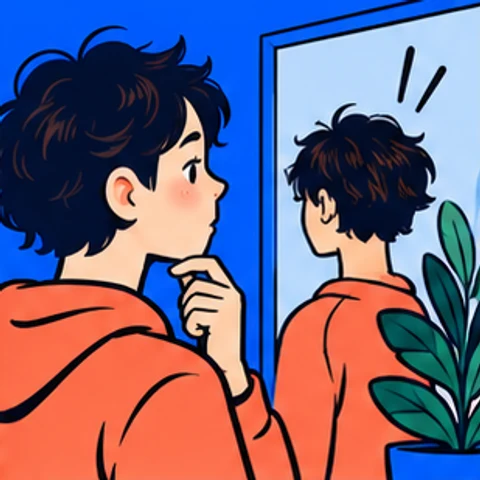 Brain
BrainEven conspicuous changes can go unnoticed, especially when an interruption masks their visual change signals.
Frequency: Varies by individual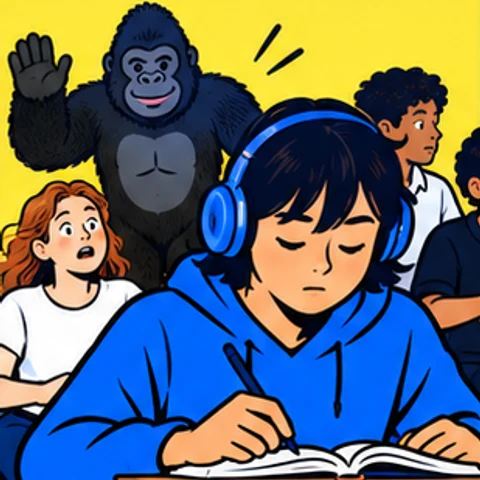 Brain
BrainPeople focused on a task sometimes do not consciously notice unexpected visible events.
Frequency: Varies by individual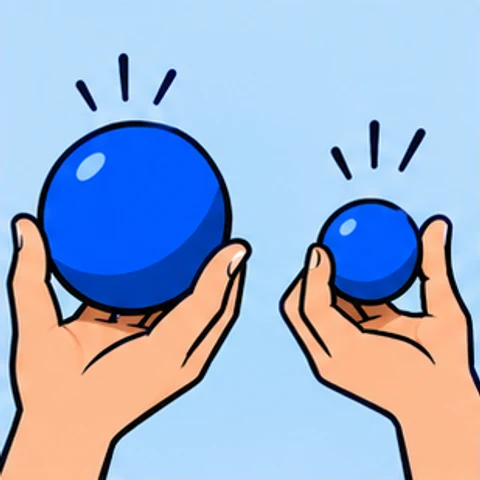 Brain
BrainTwo objects of the same weight can feel different in weight when one is smaller.
Frequency: Varies by individual Brain
BrainThe visual system recognizes familiar patterns in random forms.
Frequency: Common Brain
BrainA new situation can briefly feel familiar even when no real memory can be found.
Frequency: Common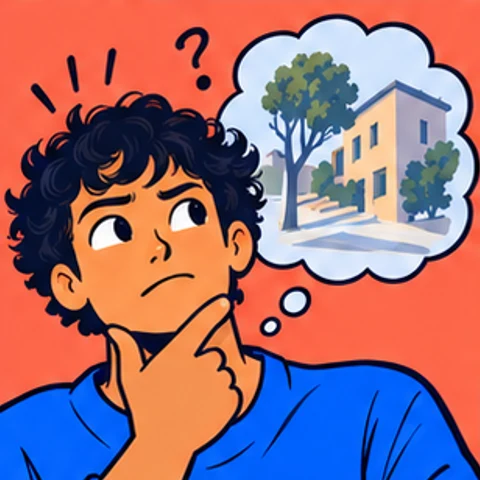 Brain
BrainA familiar word or situation can briefly seem strange; repeating a word can induce this in an experiment.
Frequency: Frequency unclear Brain
BrainYou know that you know a word but temporarily cannot retrieve it.
Frequency: Common Brain
BrainBrief images, voices, or bodily sensations can arise while falling asleep.
Frequency: Varies by individual Brain
BrainDuring a dream, a person may realize that they are dreaming; some then report limited control.
Frequency: Varies by individual Brain
BrainSounds or intelligible words can occur during different stages of sleep.
Frequency: Varies by individual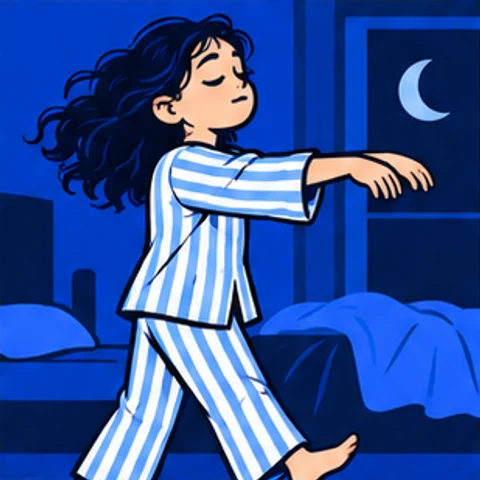 Brain
BrainDuring sleepwalking, a person performs complex movements while only partly awake.
Frequency: Varies by individual Brain
BrainSeeing or hearing a yawn can cause some people to yawn themselves.
Frequency: Varies by individual Brain
BrainIn synesthesia, one stimulus reliably triggers an additional, unusual perception, such as seeing color with letters.
Frequency: Varies by individual Brain
BrainAfter certain injuries to the visual cortex, people may respond to stimuli without consciously seeing them.
Frequency: Rare Brain
BrainIn prosopagnosia, recognizing familiar faces is severely impaired even though visual acuity may be normal.
Frequency: Varies by individual Brain
BrainIn aphantasia, conscious voluntary visual imagery is absent; knowledge and thinking remain possible.
Frequency: Varies by individualTry another term or fewer filters.